
Reviewed · FIRE TEMPLE & BURNING MOUNTAIN TOURS
Burning Mountain&Fire Temple Tour
Yanar Dag is the star here: a strip of natural gas burns from a hillside near Baku, with flames reaching roughly 3 metres into the air. Then the tour shifts from a natural phenomenon to Ateshgah Fire Temple, a former place of worship linked to Hindu, Sikh, and Zoroastrian traditions.
I like the efficient pairing of two very different fire sites, and I like the easy half-day timing. You meet at Qala Qapısı Restoranı at 1 pm, visit both places, and return to the same spot after about four and a half hours. The main consideration is that this is a short group outing, so neither stop gets a long, leisurely visit.
Key points to know before booking
- Two fire sites in one afternoon: See Yanar Dag’s active gas flame and Ateshgah’s historic temple complex.
- A manageable group size: The vehicle carries no more than 18 people, keeping the outing smaller than a large coach tour.
- A useful Baku schedule: The 1 pm departure works well if you want a morning in the city before heading to the Absheron Peninsula.
- Admission is included at both stops: You do not need to arrange separate entry tickets for Yanar Dag or Ateshgah.
- Friendly, informed guiding: The guide provides context about the sites, their religious connections, and Azerbaijan’s long association with fire.
- Good for solo visitors: The shared format offers a simple way to fill an afternoon without paying for a private car.
Why these two fire sites belong together
Azerbaijan is often called the Land of Fire, and this tour gives that nickname some substance. You see fire first as a natural gas flame at Yanar Dag, then as a focus of worship and pilgrimage at Ateshgah.
That contrast is the real value. Yanar Dag is about the earth producing fire. Ateshgah is about people building beliefs, rituals, and travel routes around fire. One stop is outdoors and elemental. The other is architectural and historical.
The pairing also saves time. These sites lie outside central Baku, on the Absheron Peninsula, so visiting them independently means arranging transport and working out entry details. Here, the air-conditioned vehicle connects the two stops and brings you back to the original meeting point.
You should think of this as a focused introduction rather than a full study of Azerbaijani religion or geology. The tour gives you the key facts and a chance to see both places in one afternoon. It does not allow much room for wandering beyond the planned visits.
More fire temple and burning mountain trips:
- Baku: Gobustan, Volcanoes, Fire Temple and Yanardag Day Trip
★ 4.7 · 433 reviews - Gobustan & Mud, Fire Temple, Burning Mountain (Group & Private)
★ 4.5 · 418 reviews - Gobustan-Mud Volcan-Fire Temple and Mountain Tour/Entrance inc
★ 5.0 · 267 reviews
Yanar Dag and its steady hillside flame
The first stop is Yanar Dag, or Burning Mountain. Despite the name, this is not a mountain in the grand sense. It is a hillside where natural gas escapes through a porous sandstone layer and burns continuously.
The flames can rise about 3 metres, creating a low, bright line of fire against the slope. Unlike a mud volcano, Yanar Dag has no mud or liquid bubbling up. The flame is fed by a steady seep of gas below the surface, which helps explain why it burns with a fairly constant pattern.
That distinction matters. The Absheron Peninsula is known for both natural gas and mud volcanoes, but Yanar Dag is a different type of geological feature. Your guide can place the fire in that wider setting and explain why the site became such a strong symbol for Azerbaijan.
The story attached to the flame is also memorable. It is said to have been noticed after a shepherd accidentally lit the hillside in the 1950s. The exact story is less important than the larger point: a small natural gas seep became one of the country’s most recognizable sights.
You have about 30 minutes at Yanar Dag, with admission included. That is enough time to see the burning slope, take photographs, and listen to the explanation. It is not enough for a long walk or a broad exploration of the surrounding area.
The stop is visually strongest if you enjoy unusual natural features rather than grand scenery. The flame itself is the attraction. Keep your expectations centered on a compact viewing area, not a vast national park or an active volcanic crater.
Ateshgah, the temple built around fire
Ateshgah, often called the Fire Temple of Baku, gives the afternoon a more human and religious focus. The complex is in Surakhani, a suburb of Baku, and has the appearance of a small fortified courtyard.
Its five-sided layout surrounds a central altar with cells around the edges. Those rooms once served religious visitors and residents connected with the temple. The design feels enclosed and purposeful, with the central fire acting as the focus of the complex.
Ateshgah is especially interesting because it was not tied to only one tradition. Persian inscriptions indicate connections with Hindu, Sikh, and Zoroastrian worship. The Persian word atash means fire, and the name Ateshgah reflects the central role of flames in the site’s identity.
The temple was built during the 17th and 18th centuries, though the religious activity around it drew on older traditions. It was later abandoned in the late 19th century, probably as the Indian population in the area declined.
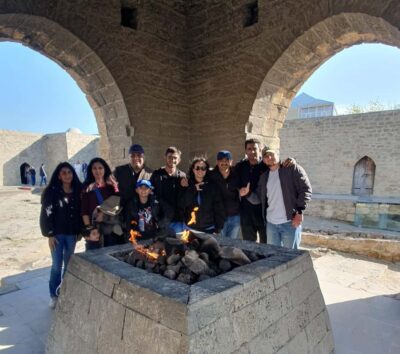
The original natural flame went out in 1969 after heavy petroleum and gas use in the region affected the underground supply. The fire you see today is lit with gas piped from the nearby city. That does not make the visit pointless. It gives you a useful reminder that historic sites change, and that the fire at Ateshgah now represents both an old tradition and a modern reconstruction.
You have about 40 minutes here, with admission included. That is a reasonable amount of time to walk through the courtyard, examine the cells, see the central altar, and hear the site’s background. If you enjoy architecture, religious history, or the movement of ideas across Central Asia, this will likely be the more rewarding stop.
What the 4.5-hour schedule means for you
The tour begins at 1 pm at Qala Qapısı Restoranı on Cavadxan in Baku. The departure point is described as easy to find and is near public transportation, which helps if you are making your own way across the city.
The afternoon schedule is practical. You can spend the morning visiting Baku’s central sights, having lunch, or handling a late arrival before meeting the group. The tour ends back at the same meeting point, making it easier to plan dinner or an evening walk afterward.
The two stated visits total about 70 minutes: 30 minutes at Yanar Dag and 40 minutes at Ateshgah. The rest of the four-and-a-half-hour outing covers driving, loading the group, and time between the sites. That is normal for an excursion outside central Baku, but it is worth understanding before you book.
This is not a walking tour. The air-conditioned vehicle is an important part of the experience, especially if you are visiting during a warm period. You get transported between the sites instead of spending your afternoon arranging taxis or navigating the outskirts yourself.
The group can include up to 18 people. That is small enough for a guide to address the group directly, though it is not the same as having a private guide. If you prefer to stop whenever you like, linger at a detail, or ask a long string of questions, the group format may feel restrictive.
A few more Baku half-days to weigh up
- Baku: Gobustan, Mud Volcano, Fire Mount, Temple Lunch Entry
★ 4.9 · 3,246 reviews - Baku: Guba, Shahdag, Laza & Lunch w/ Free City & Night Tour
★ 4.8 · 1,455 reviews - BEST Gobustan, Volcanoes & Absheron Fire Tour (Group or Private)
★ 5.0 · 1,254 reviews - Gobustan and Absheron tour (All inclusive)
★ 5.0 · 1,014 reviews
The guide’s role in making the sites meaningful
Neither site requires a full day, but both benefit from explanation. Without context, Yanar Dag is simply a hillside with flames, and Ateshgah can look like a small stone courtyard. The guide connects the physical sights with Azerbaijan’s fire traditions, regional geology, and religious past.
The strongest praise for this outing centers on the guide being friendly and well informed. That matters here because the sites are compact. A good explanation adds much of the experience, especially at Ateshgah, where the religious connections are not immediately obvious from the buildings alone.
You should expect interpretation rather than a formal academic lecture. The format is designed to keep costs down and move a group efficiently. Still, you receive more context than you would from a quick taxi visit with no guide.
If you are a solo visitor, the shared arrangement can be particularly useful. One solo passenger used the outing to fill time before a later train departure from Baku, which points to a practical strength of the schedule. You can see two important sites without arranging companions or paying for a private excursion.
Is $50 a fair price?
At $50 per person, this tour sits in the practical middle ground between independent sightseeing and a private day out. The price covers the air-conditioned vehicle, guiding, and admission to both named attractions.
The value is strongest if you want convenience. You avoid the separate cost and effort of arranging transport to Yanar Dag and Surakhani, and you receive explanations at both places. For a short stay in Baku, that can be worth more than saving a little money through separate taxis.
The price is less compelling if you already have a car, prefer independent visits, or plan to spend a full day exploring the Absheron Peninsula. In that case, you may want more time at each stop or the freedom to combine them with other attractions.
One detail deserves attention: the tour information says admission to both stops is included, while the general inclusions also say all fees and taxes are not included. Before booking, confirm exactly what the $50 covers beyond the listed entrance tickets. That small check avoids confusion at the meeting point.
Who will get the most from this outing
I would recommend this tour to you if you want a simple introduction to two of Baku’s most unusual nearby sights. It works well for first-time visitors, solo visitors, couples, and anyone with only an afternoon available.
It also suits you if you enjoy a mix of natural and cultural attractions. Yanar Dag gives you the visual surprise. Ateshgah supplies the historical and religious setting. Neither stop is hard to understand once the guide explains the connection.
Families and older visitors may appreciate the vehicle and the short visits, since the schedule avoids a long day on the road. The tour information says most people can participate, though it does not give more detailed mobility information. If you have specific access needs, ask the provider before booking.
You may want another option if your priority is photography at a slow pace, extensive geological study, or a private conversation with a guide. The maximum group size is 18, and the visits are timed to fit into a compact afternoon.
Booking, timing, and cancellation details
You receive confirmation when you book, and the experience uses a mobile ticket. The activity generally fills about 16 days before departure, so booking ahead is sensible if your Baku dates are fixed.
Free cancellation is available if you cancel at least 24 hours before the 1 pm start time. Cancellations or changes made within 24 hours are not refunded, and the cut-off follows local time.
The tour requires a minimum number of participants. If the provider cancels because that minimum is not reached, you are offered another date or experience, or you receive a full refund.
Should you book the Burning Mountain and Fire Temple tour?
Book it if you want an affordable, well-organized afternoon that covers two fire-related sites beyond central Baku. The combination is smart, the transport removes a practical headache, and the guide’s explanations give meaning to places you could otherwise see only briefly.
I would be especially inclined to book it as a solo visitor, a couple, or anyone fitting Baku into a tight schedule. You get Yanar Dag, Ateshgah, admission, transport, and a guide in about four and a half hours.
Skip it if you want a private pace or a broader Absheron excursion. The 30-minute Yanar Dag visit and 40-minute Ateshgah visit are useful introductions, not extended explorations. For most visitors seeking a straightforward look at Azerbaijan’s fire traditions, though, the $50 price is a reasonable trade for time saved and context gained.
FAQ
Where does the tour begin?
The tour begins at Qala Qapısı Restoranı on Cavadxan in Baku, Azerbaijan.
What time does the tour start?
The scheduled start time is 1 pm.
How long does the experience last?
The tour lasts approximately 4 hours and 30 minutes.
Where does the tour finish?
The experience ends back at the original meeting point.
Which sites are included?
You visit Yanar Dag, also called Burning Mountain, and the Baku Ateshgah Fire Temple.
Is admission included?
Admission tickets are included for Yanar Dag and Ateshgah. The general information also says all fees and taxes are not included, so confirm the exact cost details with the provider.
How many people can join the tour?
The activity has a maximum group size of 18 travelers.
Is transportation provided?
Yes. The tour includes transportation in an air-conditioned vehicle.
Can I cancel for a refund?
Yes. You can cancel at least 24 hours before the start time for a full refund. Cancellations or changes made less than 24 hours before the start are not refunded.
Just added around Baku
- Guba and Shahdag City Tour★ 5.0 · 3 reviews
- Lunch included Qobustan, Mud Vulcano, Ateshgah Temple & Yanardag Fire Mountain★ 4.5 · 3 reviews
- Baku’s Ancient Heart★ 5.0 · 3 reviews
- Baku: Secret Tour with Surprise Activity★ 5.0 · 3 reviews
- Baku: Old City Guided Walking Tour★ 4.6 · 3 reviews
- Majestic Journey to Qobustan and Absheron★ 4.5 · 3 reviews
- Lahij – village of masters★ 4.5 · 3 reviews
- Baku night tour★ 5.0 · 3 reviews
Fire Temple & Burning Mountain Tours, compared.
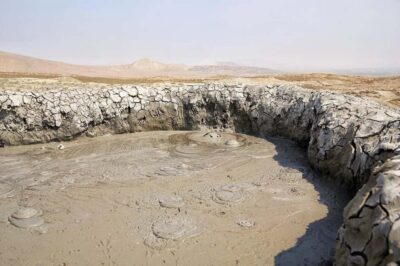
Gobustan, Volcanoes, Fire Temple and Yanardag Day Trip
Read our review →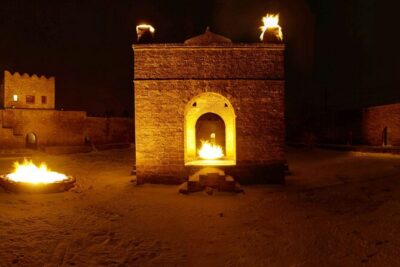
Gobustan-Mud Volcan-Fire Temple and Mountain Tour/Entrance inc
Read our review →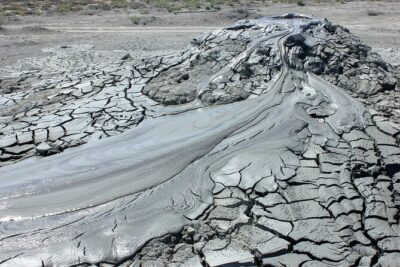
Gobustan, Mud volcanoes, Fire temple, Fire mountain PRIVATE TOUR
Read our review →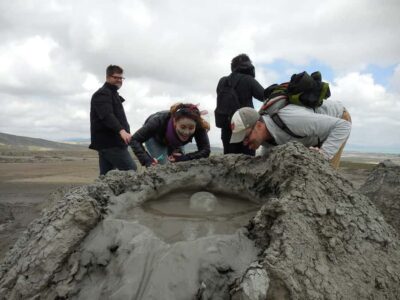
Gobustan & Mud, Fire Temple, Burning Mountain, H.A. Center
Read our review →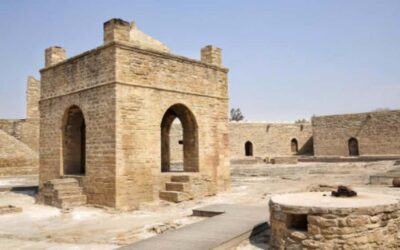
Gobustan, Mud Volcanoes, Fire Temple, & Yanar Dag Tour
Read our review →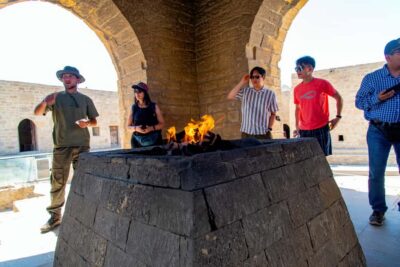
Atashgah Fire Temple & Burning Mountain Half-Day Tour
Read our review →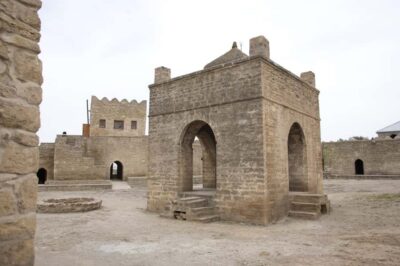
Burning Mountain & Zorastrian Temple Private Tour
Read our review →Browse the lists this tour appears in