
Reviewed · GOBUSTAN & MUD VOLCANO TOURS
Gobustan and Absheron tour (All inclusive)
Gobustan’s mud volcanoes are the star here: you leave Baku on a rough dirt road and reach blue-gray craters that look almost lunar. Then the day shifts from raw geology to prehistoric rock art, sacred fire, and Caspian views. It is a lot of Azerbaijan in one long outing.
I like the wide range of sights and the fact that tickets, lunch, and transport are bundled into the $85 price. I also like the small maximum group of 17, which can make a big difference when a guide is explaining petroglyphs or organizing an off-road ride.
The catch is the pace. You cover about 140 kilometers in different directions, and the full day can stretch to 10 hours. The guide and vehicle matter greatly, and some departures have had delays, cramped seating, weak commentary, or a missed mud-volcano stop.
Key points to know before you book
- Mud volcanoes come with a rough-road adventure: The final approach uses an unpaved road and may involve old Soviet Lada cars.
- Gobustan combines a museum and open-air rock art: You get both an introduction indoors and a walk among prehistoric carvings.
- The route covers two very different areas: Gobustan lies south of Baku, while Ateshgah and Yanardag are on the Absheron Peninsula.
- Lunch and entrance tickets are included: The meal lists qutabs, kebabs, pilaf, salad, a drink, and tea.
- Guide quality can shape the whole day: Guides such as Sayid, Zeyneb, Nazperi, Fidah, and Vusala have received particularly warm praise, but service has not been consistent on every departure.
- The $85 price is fair if every stop happens: It is less attractive if the mud volcanoes or museum are skipped.
Why this is the big one-day outing from Baku
Baku is easy to enjoy on foot, but the most unusual sights lie well outside the center. Gobustan is about 70 kilometers south of the capital, while the fire temple and burning mountain sit in another direction on Absheron. Seeing all of them independently would require several taxi rides, careful timing, and separate entrance payments.
This tour solves that problem in one day. You ride in an air-conditioned vehicle, follow a set route, and have an English- or Russian-speaking guide explain what you are seeing. For a first visit, that convenience has real value.
The day begins at the meeting point at 1 Azərbaycan Prospekti, with the tour returning there in the evening. The advertised duration is 8 to 9 hours, though some departures have taken closer to 10 or 10.5 hours. I would not schedule a flight, important appointment, or tightly timed dinner afterward.
The group limit is 17 people. That is small enough to feel more personal than a large coach trip, but it is not a private tour. You may still spend time waiting for people at stops, especially when the guide gives unclear return times.
More Gobustan and mud volcano runs:
- Baku: Gobustan, Mud Volcano, Fire Mount, Temple Lunch Entry
★ 4.9 · 3,246 reviews - BEST Gobustan, Volcanoes & Absheron Fire Tour (Group or Private)
★ 5.0 · 1,254 reviews - Baku: Gobustan, Volcanoes, Fire Temple and Yanardag Day Trip
★ 4.7 · 433 reviews
Mud volcanoes: Azerbaijan’s strangest hour
The road to the mud volcanoes is part of the attraction. Once the paved road gives way to dirt, the ride can become bumpy and theatrical. In some departures, people transfer into old Russian Lada cars for the final off-road stretch. That ride has been described as thrilling, though the cars can feel tight when four adults are placed inside.
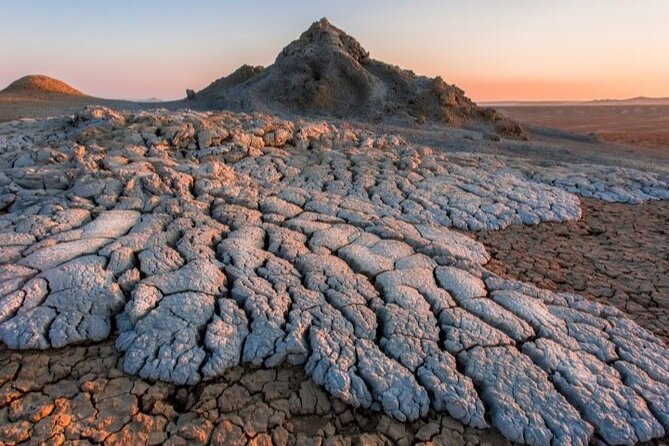
The volcanoes themselves are not mountains of fire. They are low craters that bubble and push out cool mud, formed by gases and clay beneath the ground. The blue clay gives the area a gray-blue tone, and the bare surroundings can look like a film set on the moon.
You usually have about an hour here. Bring shoes that can handle dust and uneven ground, and protect your camera from grit on windy days. This is not a polished park with broad paths and visitor facilities. Its appeal comes from the oddness of the place and the rough approach.
This is also the stop to confirm before booking. The tour is sold with the mud volcanoes as a central feature, yet some departures have not reached them, or have offered only a shorter visit than expected. If the volcanoes are your main reason for going, ask the operator shortly before departure whether road conditions permit the stop.
Gobustan’s museum and the prehistoric carvings
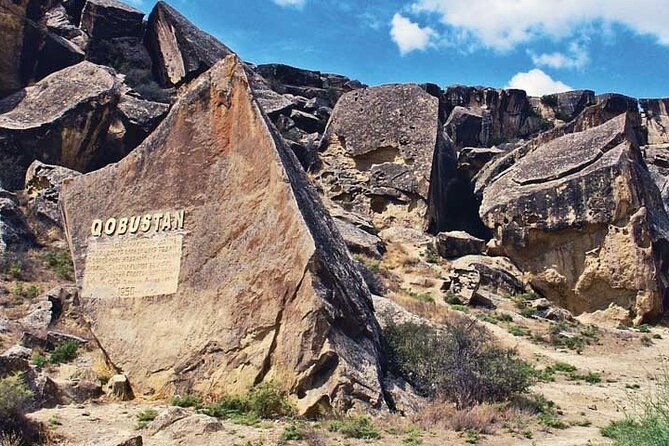
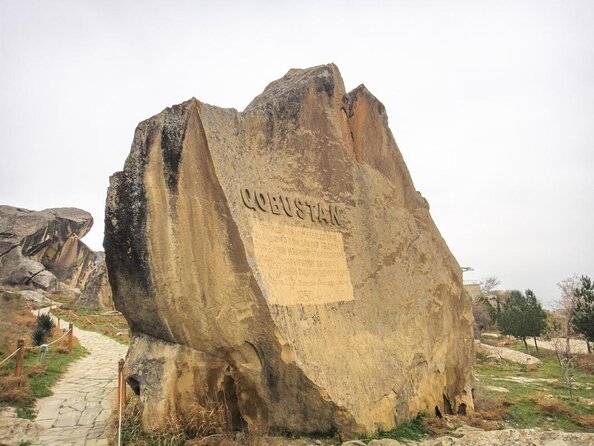
After the volcanoes, the tour continues to the Gobustan National Reserve. The modern museum provides useful context before you walk among the rocks. Displays cover the area’s geology, early human life, and the ancient communities connected with the reserve.
The open-air portion is the more memorable half. A trail leads through rocky ground where petroglyphs show animals, people, hunting scenes, boats, and daily activities. The Caspian Sea appears in the distance, adding a strong sense of place to the carvings.
The guide’s explanation matters here. Without context, many markings can look like scratches on stone. A good guide helps you notice repeated figures and understand how the carvings offer clues about movement, food, ritual, and social life in prehistoric communities.
The schedule allows about an hour for the museum and another hour for the rock art. That sounds generous, but the tour still has a lot ahead. Some guides have shortened the museum visit or skipped it to keep the route moving. If Gobustan’s archaeology is your priority, say so early and keep an eye on the time.
The walk is outdoors and takes place on uneven ground. Most people can take part, according to the tour information, but this is not the same as a flat city stroll. Comfortable shoes are sensible, and summer sun can be strong.
Bibi Heybat Mosque and the Caspian view
On the return toward Baku, the route may stop at Bibi Heybat Mosque. The mosque is linked with Shirvanshah Abu-l-Fath Farrukhzad and was built in the 13th century. The present visit focuses on the building, its colorful interior, and its large facade.
The setting adds interest. From here, you can look toward the Caspian Sea and see the cranes of the nearby cargo port. It is a useful reminder that Baku is not only a historic capital or oil city. It is also a working port and a modern industrial center.
The mosque is described as a stop along the way rather than one of the main timed visits. That means the amount of time can depend on the group and the day’s schedule. Dress respectfully for a religious site and follow your guide’s instructions about entering.
More of the Absheron peninsula:
- Baku: Gobustan Absheron Tour Entry Tickets included
★ 4.9 · 329 reviews - Baku: Gobustan-Absheron Tour with Hotel PICK UP and DROP OFF
★ 4.8 · 170 reviews - Baku: Gobustan/Absheron guided tour with lunch and tickets
★ 4.8 · 158 reviews - Gobustan and Absheron peninsula ( Group or Private ) TOUR ( All inclusive )
★ 5.0 · 130 reviews
Lunch in Baku before the fire temples
Lunch breaks up the long morning drive and sets up the second half of the route. The included meal is listed as national cuisine: two qutabs, one filled with herbs and one with meat, assorted chicken, lamb, and lula kebab, pilaf, choban salad, ayran or cola, and tea.
That is a substantial spread on paper, and including it makes the $85 price easier to justify. You do not need to search for a restaurant while the clock is running, and the meal gives you a chance to sit down after the outdoor stops.
The lunch venue is described as a Baku restaurant in Narimanov Park, though some departures have used 7 Gozal Restaurant. Food and service have not been uniform. Some meals have been plentiful and good, while other meals have arrived cold or undercooked, and one account found the portions too small.
I would treat lunch as a practical included meal, not a food-focused experience. If you have dietary needs, confirm them in advance because the set menu centers on meat, bread, rice, and dairy. Personal expenses are not included, so bring money for anything beyond the listed meal and drinks.
Ateshgah, the Fire Temple of Surakhany
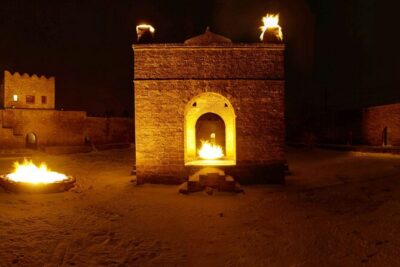
The afternoon begins at Ateshgah, the Fire Temple near Surakhany village. The site is tied to the natural gas fires that once burned from the ground across Absheron. Fire worshippers and merchants used the area, and the complex includes a central shrine surrounded by rooms that served religious and caravan functions.
The temple is presented as a place shaped by both Zoroastrian and Hindu traditions. Its position near old Silk Road routes helps explain why a religious site also needed rooms for merchants and other people passing through.
You have about 90 minutes here. That is enough time to see the courtyards, rooms, displays, and installations, especially with a guide who explains how the fire cults worked and how the caravanserai supported trade.
The site is restored and arranged for visitors, so it feels more like a historical complex than an untouched ruin. That makes the story easier to follow, though people seeking a completely raw archaeological site may find it somewhat staged. Its strength is the combination of architecture, religious practice, and trade in one compact stop.
Yanardag, the Burning Mountain
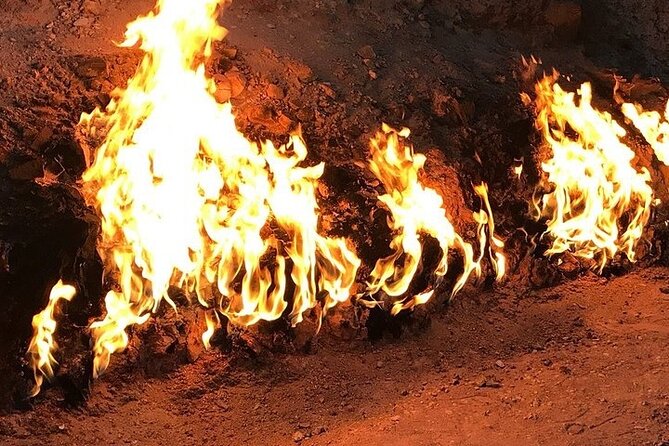
The final major stop is Yanardag, or Burning Mountain. Natural gas continues to feed flames along the hillside, creating the sight that gave the place its name. The fire is most striking in low light, but the tour schedule does not guarantee an evening arrival.
The visit lasts about an hour and includes an observation area near the top. From there, you can see a broad section of the Absheron Peninsula. After the long day, this view helps you understand the scale of the region and the close relationship between open ground, industry, settlements, and the Caspian shore.
Yanardag is visually simpler than Ateshgah. You are watching flames emerge from rock rather than touring a large complex. That makes the stop quick to understand, but also easier to find underwhelming if you expect a dramatic mountain fire.
It is still a worthwhile finish because it returns the tour to the natural forces that shaped the peninsula. The mud volcanoes show underground pressure through mud, and Yanardag shows it through flame.
The guide can make or break the day
A strong guide is the clearest difference between an ordinary sightseeing run and a day that stays with you. Sayid has been praised for being engaging, informative, and attentive to the group. Zeyneb has been described as funny and well organized, while Nazperi, Fidah, and Vusala have been singled out for clear explanations and warmth.
That does not mean every departure has the same experience. Some groups have had guides who spoke little, failed to explain the route, smoked during the drive, or gave poor instructions about how long to stay at each stop. One group had trouble because three languages were being handled at once and not every explanation was translated.
The tour is advertised in English and Russian. If you need detailed English commentary, confirm that your departure will have the appropriate guide. A small group helps, but it cannot fix weak planning or poor communication.
Pick-up details have also been uneven. Some departures have started on time with clear communication, while others had late vehicles or received the final meeting information only the evening before. Confirm the meeting point and pick-up time before bed, and allow extra time in the morning.
Transport, timing, and comfort
The air-conditioned vehicle is essential. The route involves long stretches between sites, and the heat on the peninsula can be severe. Most departures use a van or minibus, but the exact vehicle can affect comfort. One group had to change vehicles because the first bus was too small, losing time in the process.
The tour description promises an intimate group of no more than 17 people. That is a useful limit, but it does not guarantee spacious seating. One poor departure involved cramped seats, loud music, and weak air conditioning. Another had a clean, comfortable vehicle and good drivers.
Restroom planning matters. The route is spread out, and at least one departure went several hours before a proper toilet break. Ask your guide about the next restroom when you stop for lunch or at a major site. Do not assume that every outdoor stop has facilities.
The off-road transfer to the volcanoes can also vary. Old Ladas add fun and a sense of adventure, but they are basic vehicles. If you are tall, traveling with children, or uncomfortable with rough roads, ask how the transfer will be handled.
Is $85 good value?
At $85 per person, the tour is priced as a full-day package rather than a cheap local excursion. The cost includes the vehicle, guide, lunch, and admission to the Mud Volcanoes Complex, Gobustan’s open-air museum and natural history exhibition, Ateshgah, and Yanardag.
That bundle is convenient. You are paying for access to distant sites and avoiding separate negotiations for transport and tickets. It also removes the worry that a low advertised price will grow once entrance fees and lunch are added.
The value depends on delivery. If the tour visits the mud volcanoes, museum, petroglyphs, fire temple, and Yanardag, $85 is reasonable for a first-time visitor who wants a broad introduction. If a key stop is skipped, the calculation changes quickly.
You can find cheaper tours around Baku’s Old Town, according to the supplied pricing feedback. A lower price may be tempting, but compare what is included, the group size, the language, and the exact mud-volcano arrangement. The cheapest option is not automatically the best value if it leaves you waiting or paying extra at each stop.
Who should book this Baku day trip?
I would choose this tour if you have limited time in Baku and want the major sights outside the city in one organized day. It suits people who enjoy variety: geology in the morning, archaeology before lunch, and religious and natural fire sites in the afternoon.
It is also a good fit if you prefer a guide to explain the sites rather than simply arranging a taxi. The historical settings make more sense with narration, especially Gobustan and Ateshgah.
I would hesitate if you want long, quiet visits or a relaxed pace. You spend much of the day in transit, and the route can feel like a checklist when the guide is rushing. A private tour would give you more control over time, lunch, and the mud volcano visit.
Families and older adults can generally participate, but the uneven ground, rough road, and long duration deserve attention. Anyone with a flight that evening should avoid booking this outing because return times can slip.
Free cancellation is available up to 24 hours before the start time. A minimum group is required, and if the operator cancels for that reason, you are offered another date or a full refund.
Should you book it?
Book it if your goal is to see as much of the Baku region as possible in one day, and confirm the mud volcano stop before you go. The best version of this outing is excellent value: unusual geology, ancient carvings, a fire temple, a burning hillside, lunch, and transport for one price.
Do not book it blindly if your main interest is Gobustan archaeology or if you need a calm, carefully timed day. Ask about the guide language, vehicle, lunch venue, and planned time at the volcanoes. With a strong guide such as Sayid, Zeyneb, or Vusala, this can be a memorable overview of Azerbaijan. With a rushed guide or missed stop, it becomes a long ride between attractions.
FAQ
How long does the Gobustan and Absheron tour last?
The advertised duration is approximately 8 to 9 hours. Some departures have taken about 10 hours or longer, so avoid scheduling a flight or fixed appointment immediately afterward.
What is included in the $85 price?
The price includes an air-conditioned vehicle, professional guide service in English and Russian, lunch, and admission fees for the Mud Volcanoes Complex, Gobustan exhibitions, Ateshgah Fire Temple, and Yanardag. Personal expenses are not included.
Is lunch included?
Yes. The listed meal includes two qutabs, assorted chicken, lamb and lula kebab, pilaf, choban salad, ayran or cola, and tea. Lunch venues can include the Baku restaurant described for the route and, on some departures, 7 Gozal Restaurant.
How large is the tour group?
The maximum group size is 17 people. It is a small-group tour, but it is not a private excursion.
Where does the tour start and finish?
The listed meeting point is 1 Azərbaycan Prospekti, Bakı 1005, Azerbaijan. The activity ends back at the same meeting point.
Can I cancel for a full refund?
You can cancel for a full refund up to 24 hours before the experience starts. Changes or cancellations made less than 24 hours before the start time are not accepted for a refund.
Just added around Baku
- Guba and Shahdag City Tour★ 5.0 · 3 reviews
- Lunch included Qobustan, Mud Vulcano, Ateshgah Temple & Yanardag Fire Mountain★ 4.5 · 3 reviews
- Baku’s Ancient Heart★ 5.0 · 3 reviews
- Baku: Secret Tour with Surprise Activity★ 5.0 · 3 reviews
- Baku: Old City Guided Walking Tour★ 4.6 · 3 reviews
- Majestic Journey to Qobustan and Absheron★ 4.5 · 3 reviews
- Lahij – village of masters★ 4.5 · 3 reviews
- Baku night tour★ 5.0 · 3 reviews
Gobustan & Mud Volcano Tours, compared.
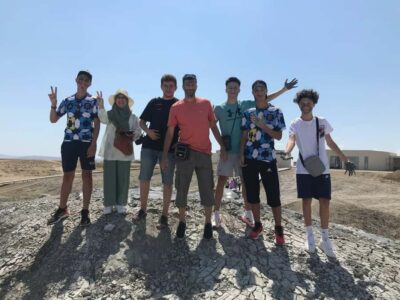
Gobustan, Mud Volcano, Fire Mount, Temple Lunch Entry
Read our review →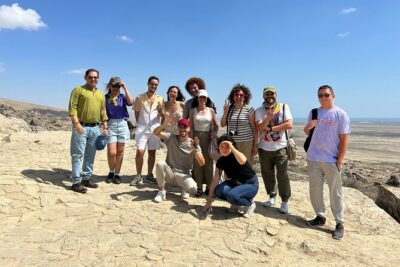
BEST Gobustan, Volcanoes & Absheron Fire Tour (Group or Private)
Read our review →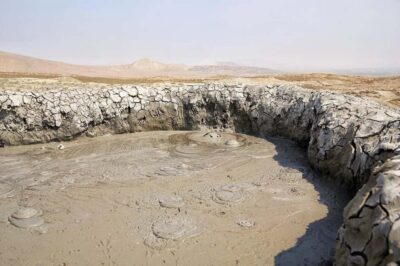
Gobustan, Volcanoes, Fire Temple and Yanardag Day Trip
Read our review →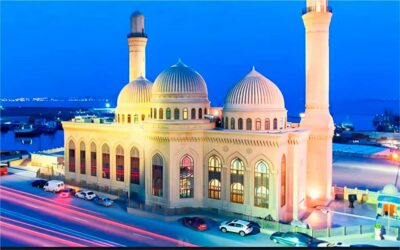
Gobustan-Mud Volcan-Fire Temple and Mountain Tour/Entrance inc
Read our review →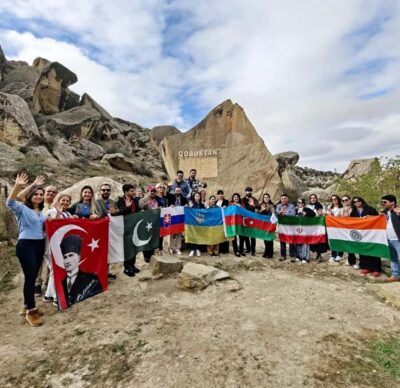
Gobustan Mud Volcanoes Temple & Entry tickets included
Read our review →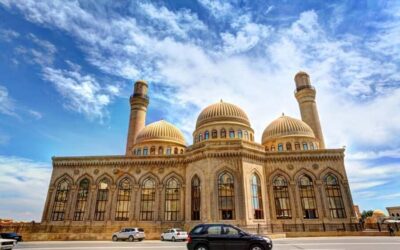
Gobustan-Absheron Tour with Hotel PICK UP and DROP OFF
Read our review →
Gobustan/Absheron guided tour with lunch and tickets
Read our review →Browse the lists this tour appears in