
Reviewed · GOBUSTAN & MUD VOLCANO TOURS
Baku: Gobustan, Mud Volcano, Fire Mount, Temple Lunch Entry
Azerbaijan’s strangest sights arrive in one busy day: bubbling mud volcanoes, ancient rock carvings, temple flames, and a mountainside that burns from natural gas. The route gives you a quick but revealing look at how fire, faith, geology, and early human life shaped the area around Baku.
I like the strong mix of stops, especially the rough off-road ride to the volcanoes and the clear explanations given by guides such as Nabat, Yashar, Islam, Rza, and Mehri. I also like the practical value of a tour that links far-flung sights without making you arrange separate transport. The catch is that it is a full, sometimes tiring day, and lunch costs extra. The advertised $6 price also needs careful reading because entry tickets and the mandatory mud-volcano vehicle fee may be separate.
Key points to know before booking
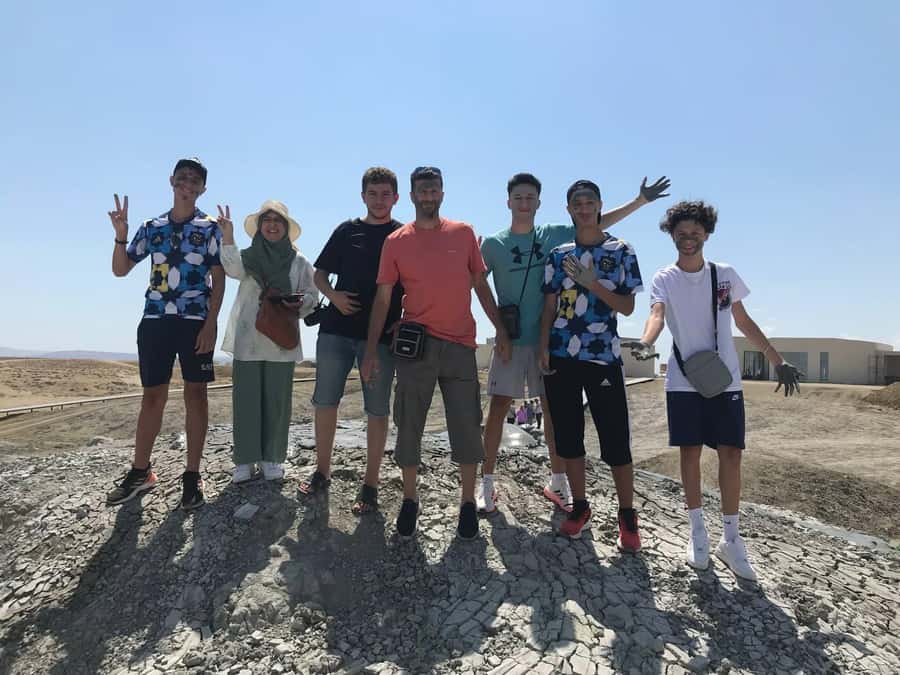
- The mud volcano ride is the day’s most unusual moment: A separate off-road vehicle takes you across rough ground to the bubbling cones.
- Gobustan combines archaeology and geology: You see ancient carvings at the Rock Art Museum and volcanic terrain on the same outing.
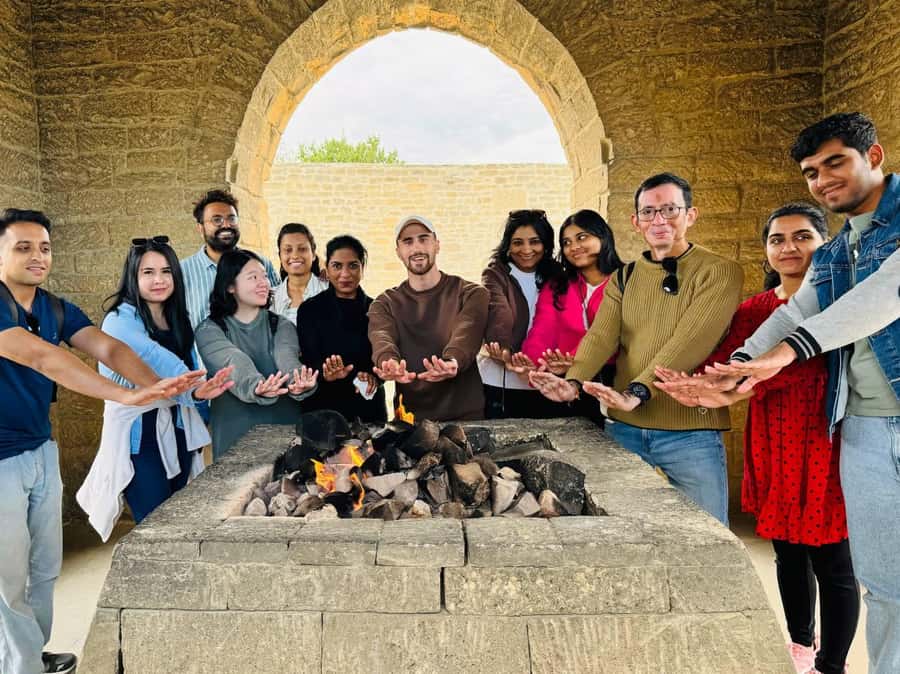
- Fire Temple and Yanar Dag tell different fire stories: One reflects religious practice, while the other is a natural gas flame.
- The guide makes a major difference: Nabat, Yashar, Islam, Rza, Mehri, Azay, and others are praised for history, culture, and friendly care.
- The price can be misleading without the fee options: Gobustan, Ateshgah, Yanar Dag, and the off-road vehicle may require extra payment.
- Heydar Aliyev Centre is an exterior stop: You get time for photographs, but the group does not enter the building.
Why this route works for a first day outside Baku
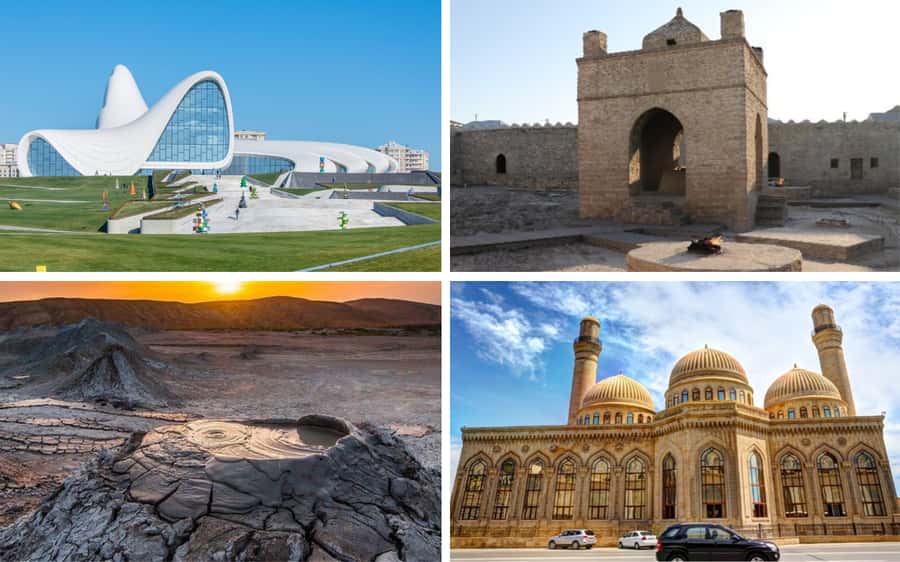
Baku is easy to explore on foot, but the sights beyond the city are spread across the Absheron Peninsula and toward Gobustan. This tour solves the transport problem in one sweep. You can see a mosque, archaeological site, volcanic area, fire shrine, burning hillside, and modern cultural landmark without piecing together taxis and local rides.
That range is the real strength. The day does not focus on one subject. Instead, you move between Azerbaijan’s ancient petroglyphs, its unusual geology, its Zoroastrian connections, and its modern national identity.
The pace is active. You should expect time in a vehicle, walking at outdoor sites, and a rough ride to the mud volcanoes. Some people find the day exhausting, especially in July heat, but the broad mix makes the effort worthwhile if you have limited time in Baku.
Round-trip transport is included. Hotel pickup and drop-off depend on the option you choose, so check that detail before paying. A multilingual guide or English-speaking driver is offered depending on the selected version. Italian, Spanish, Chinese, Arabic, Azerbaijani, English, Russian, Turkish, and Korean options are listed, though the exact language arrangement can vary.
More Gobustan and mud volcano runs:
- BEST Gobustan, Volcanoes & Absheron Fire Tour (Group or Private)
★ 5.0 · 1,254 reviews - Gobustan and Absheron tour (All inclusive)
★ 5.0 · 1,014 reviews - Baku: Gobustan, Volcanoes, Fire Temple and Yanardag Day Trip
★ 4.7 · 433 reviews
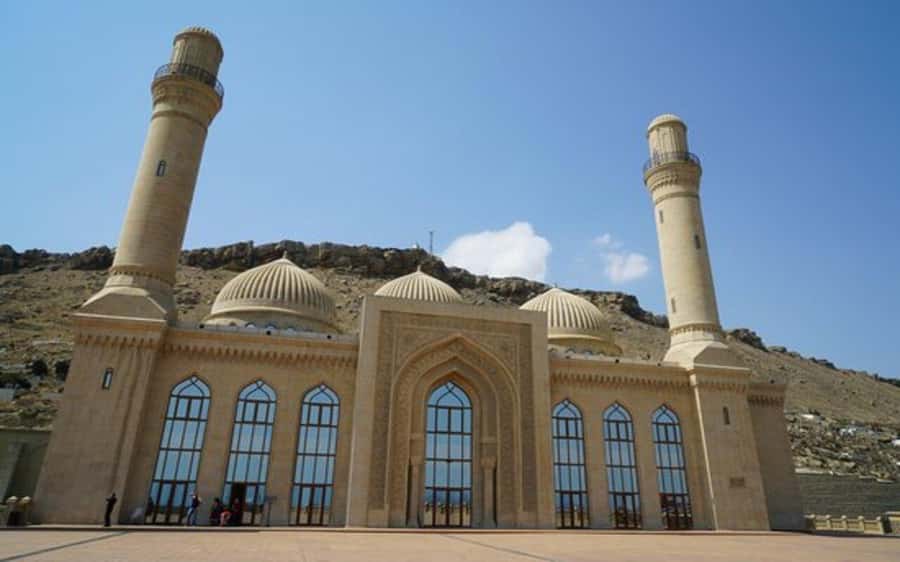
Bibiheybat Mosque begins the cultural side of the day
The Bibiheybat Mosque is an appropriate first stop. It introduces you to Azerbaijan through architecture and religious tradition before the route turns toward mud and fire.
The mosque is presented as a place of spiritual calm and architectural beauty. Your guide can help place it in the wider story of Azerbaijani faith and identity. This is one of the stops where having a good guide matters more than simply taking photographs. Ask questions about the building, its role in local religious life, and the traditions connected with it.
Dress respectfully and wear shoes that are easy to manage. The day is not a formal religious tour, but this is still an active place of worship rather than a simple monument.
Gobustan’s rock carvings put human history under open skies
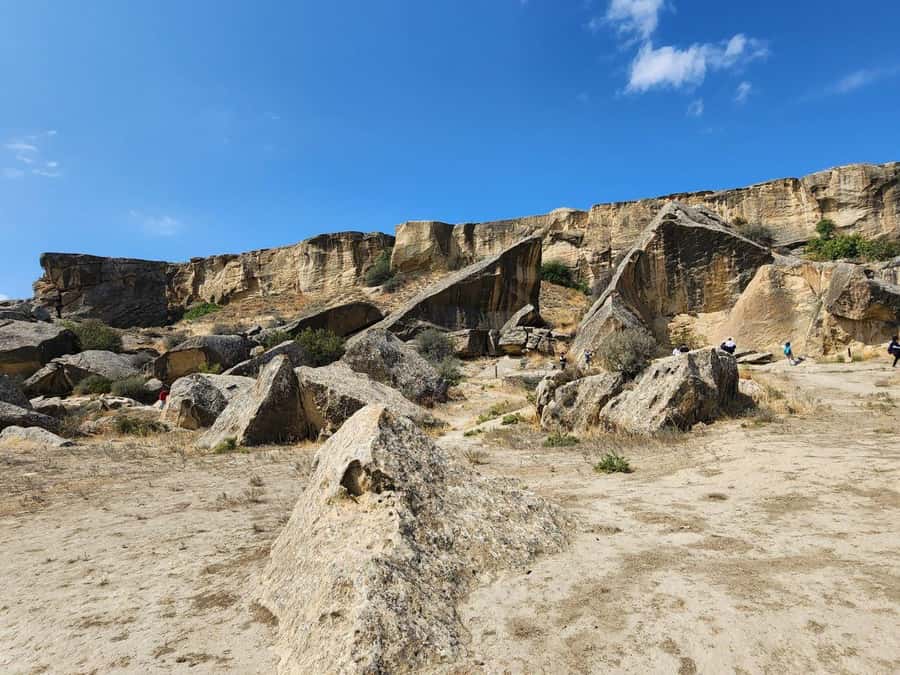
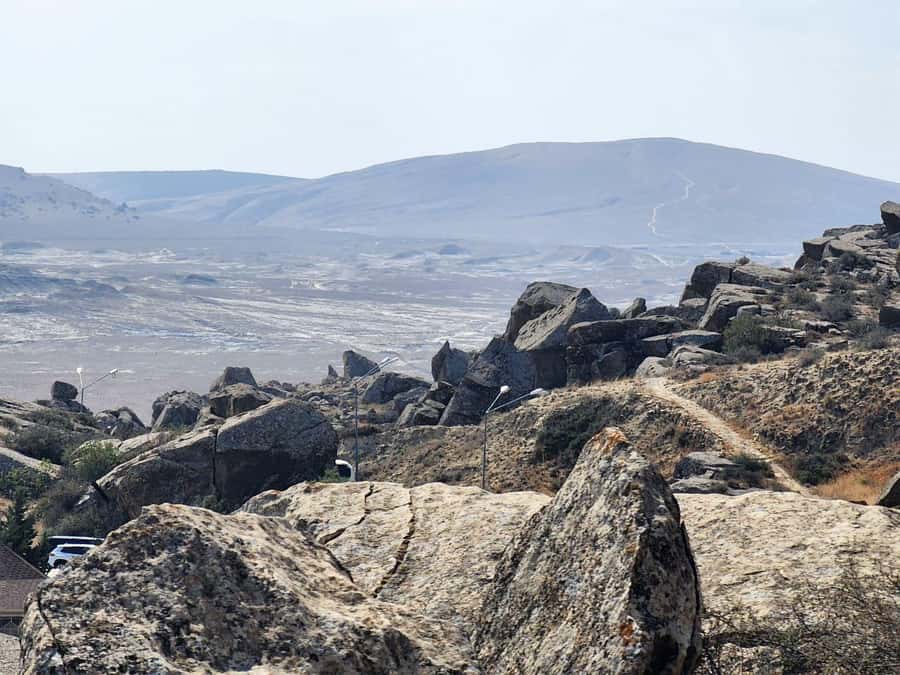
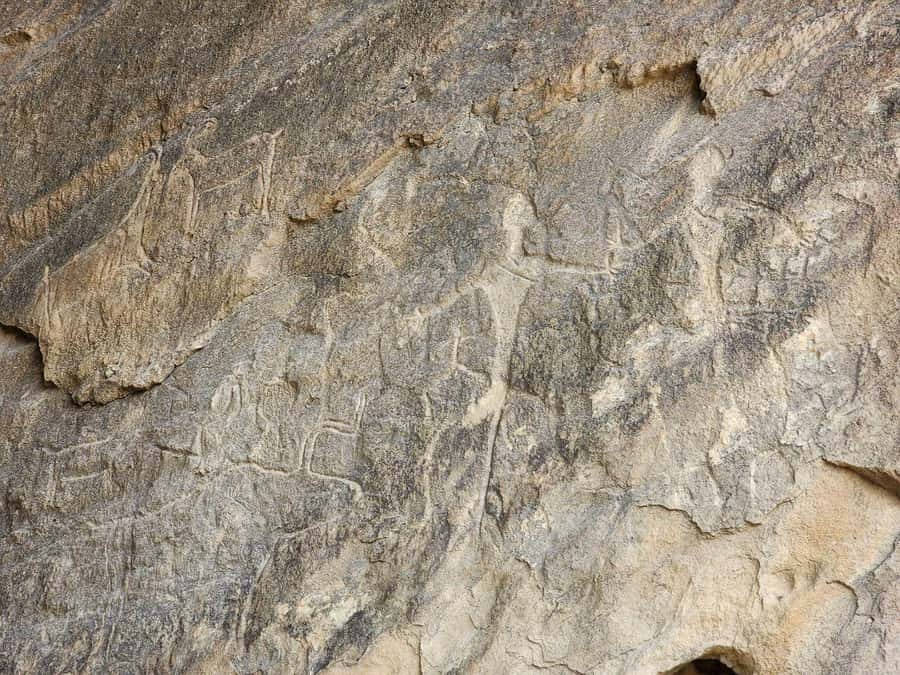
Gobustan National Park is the archaeological heart of the trip. The rock carvings give you a direct connection to people who lived in this region thousands of years ago. You are not just looking at museum objects behind glass. You are seeing marks cut into stone in the place where they were created.
The Rock Art Museum adds useful context. It helps explain the carvings, tools, symbols, and daily life connected with the site. The best guides turn what could be a quick stop into a readable story, pointing out details that are easy to miss and explaining how archaeologists interpret the images.
The site also works well for people who like outdoor history. You walk through an open area rather than spending the whole morning indoors. Bring comfortable shoes, since the ground may be uneven and the tour combines several outdoor stops.
Gobustan is especially good for anyone interested in archaeology, early human culture, or photography. It is less satisfying if you want a slow museum visit, because the full route has many stops still to come.
The mud volcanoes require an off-road adventure
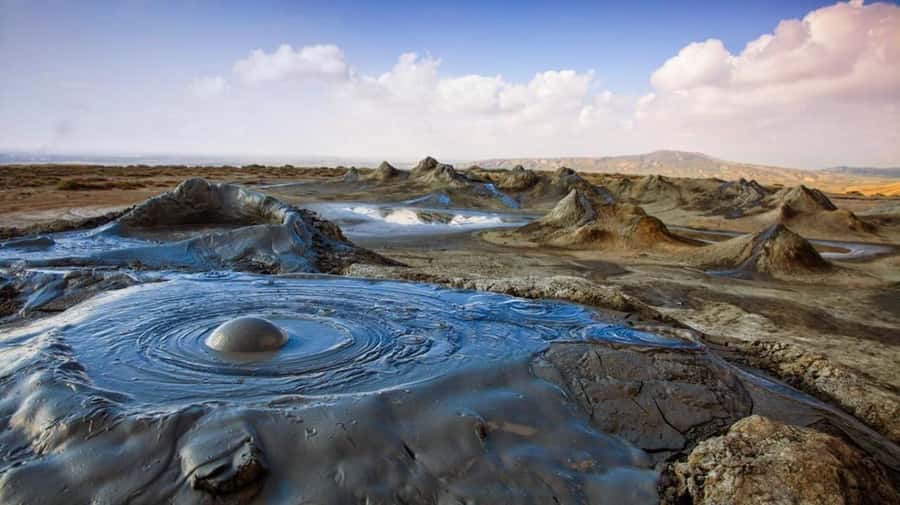
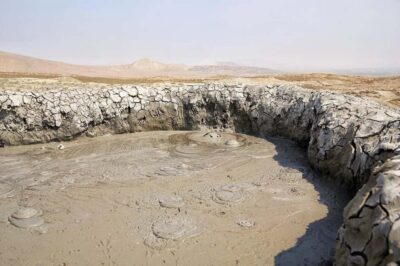
The mud volcanoes are the tour’s most playful stop. Azerbaijan is known for having many of these formations, and the setting around Gobustan can look almost lunar. The cones release mud and gas rather than lava, creating a strange, bare scene that feels far removed from Baku’s avenues and modern towers.
You do not simply drive a standard tour bus to the formations. A separate off-road car is required, and the ride can be rough and lively. Several people describe it as feeling like a rally or a Formula Grand Prix, which tells you what to expect: this is not a polished sightseeing transfer.
The ride is part of the attraction, but it also explains the extra fee. A mandatory 30 AZN cash payment per person covers the off-road cars. It is collected at the start to avoid delays. The operator describes this as a required cost, not a hidden charge, but it is still important to add it to your budget.
The weather can affect this section. If rain falls or the off-road route is closed, the group goes to the Mud Volcanoes complex instead, with the same 30 AZN cash payment. That means you should not treat the roughest, most remote version of the experience as guaranteed.
Wear shoes you do not mind getting dusty. Protect your phone and camera during the drive, and bring sun protection in summer. The volcanoes are not a luxury attraction. Their appeal comes from the raw setting, the unusual geology, and the bumpy journey.
A few more Baku half-days to weigh up
- Baku: Guba, Shahdag, Laza & Lunch w/ Free City & Night Tour
★ 4.8 · 1,455 reviews - Baku: Candy Cane, Guba, Khinaliq village with Homemade Lunch
★ 4.9 · 519 reviews - Baku: Guba & Sahdag Tour Lunch included and Laza Waterfall
★ 4.9 · 506 reviews - Baku: Guba Khinalig & Candy Cane Tour with Homemade Lunch
★ 4.9 · 447 reviews
Ateshgah Fire Temple connects flame with faith
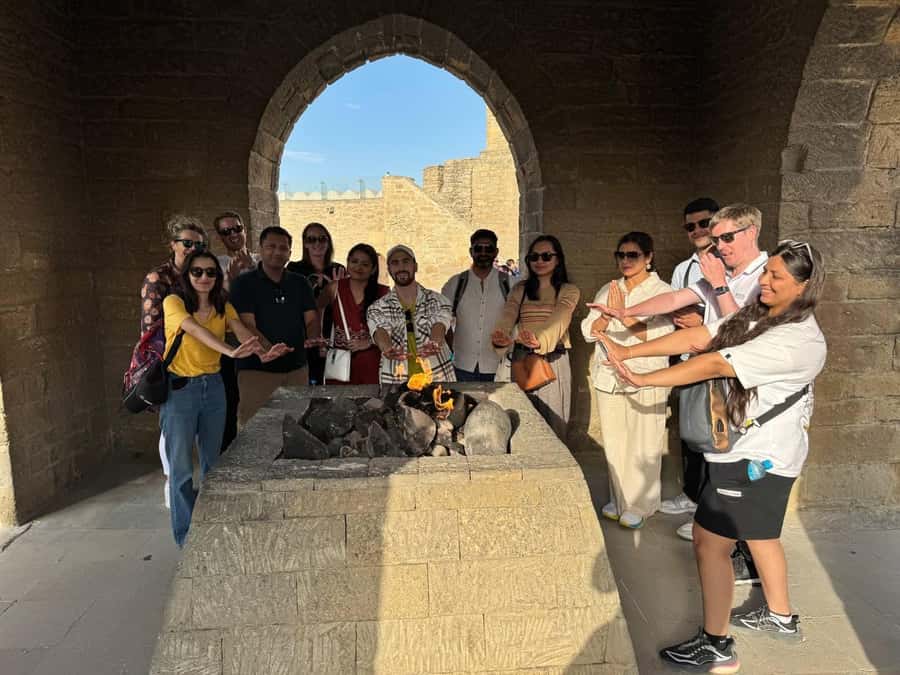
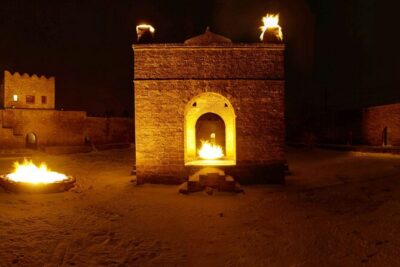
Ateshgah Fire Temple offers a sharp change of mood. After the outdoor geology of Gobustan, you enter a place linked with Azerbaijan’s Zoroastrian past and the old worship of naturally burning gas.
The temple’s story is more interesting when you see it as part of a wider network of fire traditions. Natural flames once made this part of the region seem sacred to people who connected fire with purity and divine power. Your guide’s explanation helps distinguish the religious meaning of the site from the natural process that creates the flames.
The temple is a built historic site, so it provides a more structured visit than the volcanoes. Look at the courtyard, rooms, stonework, and central fire area, and give yourself time to understand how the complex functioned.
Entry to Ateshgah and Yanar Dag is listed together at 15 AZN, unless you select an option with entrance fees included. Confirm the exact ticket arrangement when booking, since the low headline price does not automatically cover every admission.
Yanar Dag is a natural gas flame, not a normal campfire
At Yanar Dag, or Burning Mountain, flames rise from the side of the hill. The blue-orange fire comes from natural gas escaping through the ground. It is most striking when you notice that the flame continues without wood, charcoal, or a visible fuel source.
This is a short, highly visual stop. It does not offer the same range of things to explore as Gobustan or Ateshgah, but it gives the day one of its clearest images. The flame can look blue-hued and intense, particularly in lower light.
The name Burning Mountain may suggest a huge volcanic spectacle. Keep your expectations sensible. You are visiting a naturally burning hillside, not walking through an erupting volcano. The stop is valuable because it connects the peninsula’s geology with the fire traditions introduced at Ateshgah.
Summer heat makes this section harder. Bring a hat, sunglasses, sunscreen, and water. A bottle of water is available on request, but I would not rely on that alone.
Heydar Aliyev Centre provides a modern final image
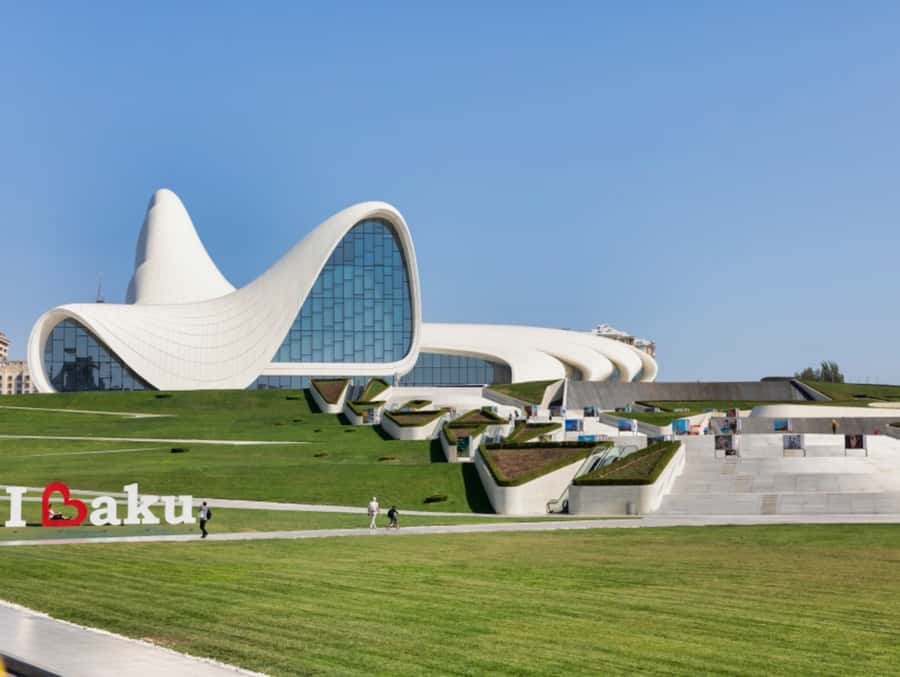
The Heydar Aliyev Cultural Centre is the final sightseeing point. Its flowing white form is a dramatic contrast to Gobustan’s carved rocks, Ateshgah’s stone courtyard, and Yanar Dag’s exposed flame.
You do not enter the centre on this group route. The stop is for viewing the exterior and taking photographs. That limitation is important if you hoped to visit exhibitions inside. Still, the building makes a useful closing image because it shows another side of Azerbaijan: contemporary design and a polished national cultural landmark.
You also have the chance to photograph the I love Baku sign. It is a simple finish, but useful if you want a standard city souvenir after a day spent mostly outside the capital.
Guides bring the sites into focus
The guide is one of the most important parts of this experience. The route covers archaeology, religion, geology, architecture, and national culture. Without explanation, several stops could feel like quick photo calls.
The strongest guide names repeatedly associated with this route include Nabat, Yashar, Islam, Rza, Mehri, Azay, Elshad, and Hikmeet. That does not guarantee a particular person on your departure, but it gives you an idea of the service style to expect: clear explanations, language skills, patience, and attention to group comfort.
Yashar is noted for combining history and cultural stories with a warm manner. Nabat is described as friendly, organized, and strong in English. Islam is praised for energetic presentations and broad knowledge of Azerbaijan. Rza is frequently associated with clear information, multilingual ability, and a relaxed approach.
A good guide also manages the practical side of the day. One group faced a Baku Formula 1 road blockage and could not receive the planned pickup. The operator arranged and paid for a taxi, then provided a complimentary city tour as compensation. That example suggests the company can respond sensibly when city events disrupt the schedule, though you should still keep your phone available on pickup day.
Private tours may offer an optional guide. Check the selected option carefully if guiding in a particular language is essential to you.
Lunch and the real cost of the day
The advertised price of $6 per person looks extraordinarily low for a full-day route with transport. Treat it as a starting price, not the final cost of the complete experience.
The key question is whether you select the Entrance Fees Included option. If you do not, you are responsible for the following listed charges:
- Gobustan Rock Arts: 10 AZN
- Off-road vehicles for the mud volcanoes: 30 AZN cash per person
- Ateshgah and Yanar Dag: 15 AZN
The 30 AZN off-road payment applies even if rain or a closed route sends the group to the Mud Volcanoes complex. The operator says there are no hidden costs, but the structure can still surprise you if you only notice the $6 headline price.
The included-entry option is likely the easier choice for most people. It reduces the need to carry and organize several payments, and it comes with a complimentary Baku city tour according to the booking information. Compare the total price of both versions rather than comparing only the base fare.
Lunch is not included. A restaurant stop is part of the day, but you pay for your own meal. The food stop received mixed practical feedback: some people enjoyed the local cuisine, while others found the restaurant touristy, overpriced, or poorly staffed. I would budget for lunch but keep expectations modest and ask about the menu and prices before ordering.
Who will enjoy this tour most
I would recommend this route to a first-time Baku visitor who wants to see the major sights outside the city in one day. It is also a good fit if you enjoy variety more than slow, specialist travel.
You are likely to enjoy it if you like:
- Ancient carvings and archaeological sites
- Unusual natural formations
- Religious and cultural history
- Off-road driving
- Taking photographs at distinctive places
- Learning from a guide while moving between many stops
Families with older children may like the volcano ride and burning hillside. People with limited time will appreciate how much ground the transport covers.
I would hesitate if you dislike long vehicle journeys, rough roads, hot outdoor sites, or a tightly packed schedule. The day can be tiring, and the combination of walking, heat, driving, and several admissions requires stamina.
It is also not the best choice if your main goal is to spend hours inside the Heydar Aliyev Centre. This tour only stops outside. Likewise, those wanting a slow, detailed Gobustan archaeological visit may prefer a more focused excursion.
Practical tips for a smoother day
Wear comfortable shoes with good grip. The tour includes open-air sites, uneven ground, and an off-road vehicle ride.
Carry sunscreen, a hat, sunglasses, and extra water in summer. One person visiting in mid-July found the heat intense, and the route offers several exposed stops.
Keep 30 AZN cash per person ready for the off-road vehicle. Even if you choose an entry-included package, confirm whether this transport charge is included or collected separately.
Read the option details carefully before booking. Check hotel pickup and drop-off, guide language, and whether entrance tickets are part of your chosen package.
Allow flexibility around city traffic and major events. Baku’s Formula 1 road closures caused a pickup problem for one group, although the operator arranged an alternative taxi.
Cancellation is available up to 24 hours before the tour for a full refund, and you can reserve now and pay later. Those policies help if your Baku plans are still changing.
Should you book the Gobustan and Absheron day trip?
Book it if you want an efficient introduction to Azerbaijan’s unusual mix of ancient art, natural gas flames, mud volcanoes, religious heritage, and modern architecture. The off-road section and the Gobustan carvings are the strongest reasons to go, while the guides can add real value by explaining what you are seeing.
Choose the entrance-included option if the total price makes sense for your budget. Bring cash for the mud-volcano vehicle unless your confirmation clearly says it is included, and plan to buy lunch separately.
Skip it in favor of a slower, more focused outing if you dislike packed days or expect interior visits at every stop. For most first visits to Baku, though, this is a practical way to reach places that are awkward to arrange independently, with enough odd and memorable sights to justify the long day.
FAQ
What places does the tour visit?
The route includes Bibiheybat Mosque, Gobustan National Park, the Gobustan Rock Art Museum, the mud volcanoes, Ateshgah Fire Temple, Yanar Dag Burning Mountain, the Heydar Aliyev Cultural Centre for exterior sightseeing, and the I love Baku sign.
Are entrance tickets included?
Entrance tickets are included only if you choose the Entrance Fees Included option. Otherwise, you must pay separately for Gobustan Rock Arts, Ateshgah, and Yanar Dag.
How much is the off-road vehicle fee for the mud volcanoes?
The mandatory off-road vehicle fee is 30 AZN cash per person. It is collected at the start of the tour. The same fee applies if rain or a closed road changes the visit to the Mud Volcanoes complex.
Is lunch included?
No. Lunch is not included, so you should bring money for the restaurant stop.
Do you enter the Heydar Aliyev Cultural Centre?
No. The group visits the centre as a sightseeing and photography stop. The interior is not included because of time limits.
What languages are available?
Listed language options include Italian, Spanish, Chinese, Arabic, Azerbaijani, English, Russian, Turkish, Korean, and others. The exact guide or driver arrangement depends on the option selected.
Can I cancel the tour?
You can cancel up to 24 hours in advance for a full refund. The reserve-and-pay-later option lets you hold a place without paying immediately.
Just added around Baku
- Guba and Shahdag City Tour★ 5.0 · 3 reviews
- Lunch included Qobustan, Mud Vulcano, Ateshgah Temple & Yanardag Fire Mountain★ 4.5 · 3 reviews
- Baku’s Ancient Heart★ 5.0 · 3 reviews
- Baku: Secret Tour with Surprise Activity★ 5.0 · 3 reviews
- Baku: Old City Guided Walking Tour★ 4.6 · 3 reviews
- Majestic Journey to Qobustan and Absheron★ 4.5 · 3 reviews
- Lahij – village of masters★ 4.5 · 3 reviews
- Baku night tour★ 5.0 · 3 reviews
Gobustan & Mud Volcano Tours, compared.
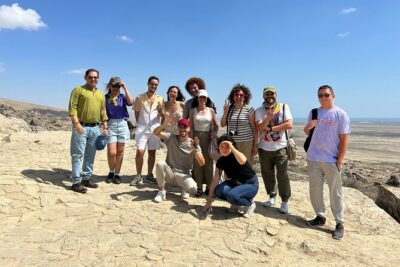
BEST Gobustan, Volcanoes & Absheron Fire Tour (Group or Private)
Read our review →
Gobustan, Volcanoes, Fire Temple and Yanardag Day Trip
Read our review →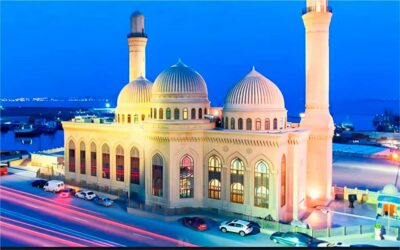
Gobustan-Mud Volcan-Fire Temple and Mountain Tour/Entrance inc
Read our review →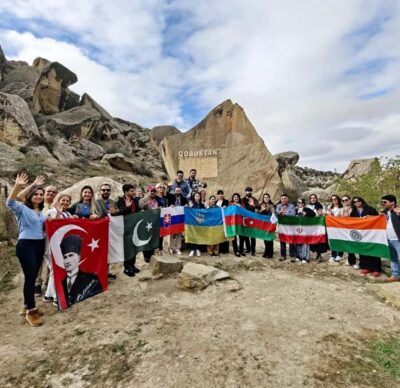
Gobustan Mud Volcanoes Temple & Entry tickets included
Read our review →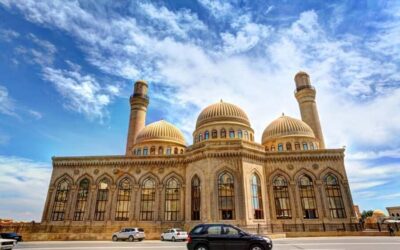
Gobustan-Absheron Tour with Hotel PICK UP and DROP OFF
Read our review →
Gobustan/Absheron guided tour with lunch and tickets
Read our review →Browse the lists this tour appears in