
Reviewed · FIRE TEMPLE & BURNING MOUNTAIN TOURS
Private Tour – Ateshgah Temple Gala Museum Complex and Yanardag
A hillside that burns with natural gas, a temple built around sacred fire, and ancient ruins scattered across the Absheron Peninsula make this private Baku tour unusually varied. In about four hours, you move from Zoroastrian and Hindu traditions to medieval village remains and a modern conservation site.
I like the front-door hotel pickup and the freedom of a private car. I also like the mix of major sights: Ateshgah explains Azerbaijan’s fire-worship heritage, while Gala gives you a broader look at daily life and old settlements. The main drawback is the brisk pace, and admission tickets are extra, so the advertised $95 per person is not the complete cost.
Key points to know before booking
- Natural fire at Yanardag: Watch gas-fed flames burn along a protected hillside north of Baku.
- Ateshgah’s multi-faith story: The pentagonal temple was used by Zoroastrians, Hindus, and Sikhs at different times.
- Gala’s wide archaeological range: See remains dating from the third millennium BC through the twentieth century.
- Private transport and hotel pickup: Your group rides in a chauffeured vehicle rather than joining a larger coach.
- Fast half-day format: Three stops fit into roughly four hours, with about 40 minutes at Ateshgah, 40 minutes at Gala, and 30 minutes at Yanardag.
- Named guides with strong feedback: Farman, Karim, and Kirim have been praised for clear explanations and calm organization, but the assigned guide is not guaranteed.
This excursion takes you east and north of central Baku to the Absheron Peninsula, an area shaped by oil, gas, settlement, and religious traditions. The theme is fire, but the experience is not limited to flames. You also get archaeology, rural architecture, and a useful introduction to Azerbaijan’s long connection with several faiths.
The tour begins at 9:30 am and lasts approximately four hours. That makes it easy to fit into a short stay in Baku or pair with another afternoon activity. Since only your own group participates, you can ask questions, set a comfortable rhythm within the scheduled stops, and avoid waiting for a large bus.
The vehicle includes a professional guide, fuel, and hotel pickup and drop-off. Food, drinks, insurance, and entrance tickets are not included. Confirm your pickup details when booking, especially if you are staying somewhere outside the usual central hotel area.
Ateshgah is usually the emotional center of the outing. The temple sits near Surakhani village, about 30 kilometers from Baku, in an area once known for natural gas escaping from the ground and catching fire when it met oxygen.
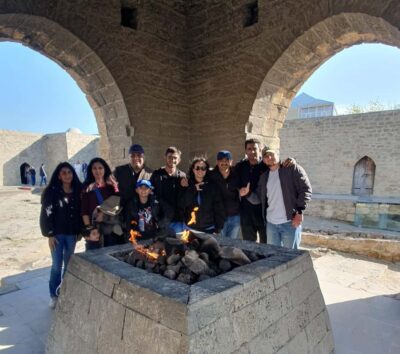
That phenomenon helped give the site its sacred character. Fire worshippers came here over different periods, and the complex was revered by Zoroastrians, Hindus, and Sikhs. This is one reason the visit matters: Azerbaijan’s religious past was not limited to one tradition. The temple reflects movement and contact across Central Asia, India, Persia, and the Caucasus.
The present structure was built in the seventeenth and eighteenth centuries. Its five-sided design encloses an open courtyard, with a temple altar in the center. The compact layout makes the site easy to understand during a 40-minute stop. You can walk through the surrounding rooms, look into the courtyard, and listen as your guide explains how pilgrims used the complex.
I would pay close attention to the guide here rather than treating Ateshgah as a quick photo stop. The stones and simple forms are interesting, but the real value comes from learning why the location attracted worshippers and how natural gas shaped local belief.
The admission ticket is not included. That is a small but important cost to remember, since the $95 price covers the guide and private transport rather than the complete day out.
A possible limitation is that the visit is short. If you want a long, quiet examination of every room or detailed religious interpretation, 40 minutes may feel tight. For a first visit to the Absheron Peninsula, though, it gives you the essential setting and context without taking up half your day.
The Qala Archaeological and Ethnographic Museum Complex gives the tour its widest time span. Its remains cover a period from the third millennium BC to the twentieth century, so the site is less about one famous monument and more about seeing how people lived, worshipped, stored water, and buried their dead over many centuries.
Within the complex, you can find burial mounds, tombs, houses, water-storage structures, and the ruins of an ancient castle. The site also includes five mosques and three baths. Those details help you picture an inhabited community rather than an isolated ruin.
I like the way Gala broadens the tour. Ateshgah is a focused religious site, and Yanardag is a natural phenomenon. Gala connects both to ordinary settlement. You get a sense of how communities adapted to the dry Absheron environment and built around limited water and exposed stone.
The stop is scheduled for about 40 minutes, with admission extra. That is enough for an introduction, but not enough to inspect every structure in depth. The complex covers a wide area of archaeological material, and your experience will depend heavily on how your guide chooses to explain it.
This is where a strong guide matters most. AzTerra Travel has used guides named Farman and Karim, also written as Kirim in some tour material. Their feedback has highlighted clear explanations, careful timing, and a reassuring ride with the driver. You may receive one of them, but the booking information does not promise a particular guide.
Gala also keeps the tour from becoming a simple fire-themed circuit. If you are interested in archaeology, traditional buildings, or the practical side of old settlements, this may be the most satisfying stop. If your main goal is dramatic scenery, it may feel quieter than the other two locations.
Yanardag means burning mountain, although the site is really a hill rather than a high mountain. Natural gas rises through the ground and burns along the slope. The flames can stretch across roughly 10 meters, with tongues of fire licking the layered earth.
This is a strange sight, especially because the fire is not a staged performance. The gas comes from below, and the flame continues at the protected site. Yanardag was declared a state conservation area in 2007.
The visit lasts about 30 minutes and admission is free. Benches allow you to sit and watch the flames, which can be especially effective later in the day. This tour begins in the morning, so you should not expect the evening glow described in some general accounts of the site. Even in daylight, the natural fire is the point, but the light will affect the mood and photographs.
Stay within the marked viewing area. The flames and heated ground are not something to approach closely, and the description specifically notes that the fire can sear anyone who gets too near.
Yanardag works well as the final stop because it leaves you with a vivid image of the peninsula’s geology. It also gives the religious sites more meaning. Once you have seen a natural gas fire burning from the earth, you can better understand why fire held such power for earlier communities.
The drawback is that Yanardag is a focused experience. You will watch the flames, take photographs, and hear the explanation, but the stop does not offer a long walking route or a large collection of objects. Thirty minutes is likely enough for most people.
At $95 per person, the tour is priced as a private half-day outing rather than a low-cost group transfer. The value depends on the size of your party. A couple will pay more per person than a group of four or six, but the private vehicle, guide, and door-to-door service become more useful as your group grows.
You are paying for:
- A private vehicle with a chauffeur
- A professional guide
- Hotel pickup and drop-off
- Fuel surcharge
- A four-hour route covering three separate sites
You are not paying for entrance tickets, meals, drinks, or insurance. Since ticket prices can change, check the current amounts before departure and carry a separate budget for the paid sites. Yanardag is listed as free, while Ateshgah and Gala require admission.
For a group that values privacy and does not want to arrange separate taxis to three outlying locations, the price can be practical. The route covers sites around Surakhani, Qala, and northern Baku, so private transport saves planning time. You also avoid the uncertainty of finding a taxi willing to wait while you visit each place.
For a solo visitor, the price is harder to justify unless convenience and a personal guide matter a great deal. A larger group gets better value because the price is per person but the vehicle and guide serve the whole party.
The tour is not designed for a slow, highly specialized archaeological study. It is a compact introduction. If you want three distinct sights in one morning and prefer someone else to handle the driving, the cost is easier to defend.
The Absheron Peninsula sites are outside central Baku, and the three stops are spread across different areas. Hotel pickup removes the need to work out several separate rides, and hotel drop-off lets you continue your day without returning to the original meeting point on foot.
The private format also helps with questions. You can ask your guide to compare Ateshgah with Yanardag, clarify the difference between Zoroastrian fire worship and later Hindu and Sikh use of the temple, or spend a little longer at the part of Gala that interests you most. The published timing still matters, but the group setting is more flexible than a full coach tour.
Past feedback tied to AzTerra Travel repeatedly emphasized organization, punctual timing, and attentive communication. One group also used the company for airport transfers and several excursions, which suggests the operator handles more than this one route. That does not guarantee your exact experience, but it is useful if you want to arrange related transport through the same company.
A driver named Jafar has been specifically praised for calm travel, while Karim and Farman have been named for guiding. Again, names are not a promise of assignment. Still, you can ask at booking who will lead your tour and what language will be used.
I would recommend this tour to you if you want a clear introduction to Baku’s outskirts without giving up a full day. It suits first-time visitors, families who prefer a private car, small groups, and anyone curious about the link between natural gas and religious tradition.
It is also useful for visitors with limited time. The 9:30 am start leaves the afternoon open, although exact return time can vary with traffic and time spent at the stops. The four-hour estimate should be treated as approximate rather than a hard guarantee.
You may want a different plan if you prefer long walks, extensive museum interiors, or a single site studied in detail. The route is brisk. Each stop gets enough time to understand its main point, but not enough for a slow scholarly visit.
The private format can help many people participate, and the booking information says most people can take part. No separate accessibility details are provided, so ask the operator about walking surfaces, steps, and vehicle arrangements if those points matter to you.
Bring water and plan to eat before or after the tour, since food and drinks are not included. The schedule is short enough that a meal stop is not part of the planned route.
Wear comfortable shoes. The itinerary includes archaeological remains, open courtyards, and outdoor viewing areas. The exact walking conditions at each location are not specified, so sensible footwear is a better choice than dress shoes.
Keep some extra money for entrance tickets. Ateshgah and Gala are paid attractions, while Yanardag has free admission according to the tour details. Insurance is also your responsibility.
Booking confirmation normally arrives at once. If you book within seven days of the departure date, confirmation may take up to 48 hours and remains subject to availability. Free cancellation is available if you cancel at least 24 hours before the local start time. Changes or cancellations inside that window are not accepted for a refund.
The tour offers a mobile ticket, which is convenient when you are already using your phone for hotel and transport details. Pickup is included, but the exact meeting arrangement should be confirmed with the operator after booking.
I would book this tour if I had one morning for the Absheron Peninsula and wanted more than a single landmark. Ateshgah and Yanardag provide the memorable fire theme, while Gala adds the archaeology and everyday human story that keep the outing from feeling repetitive.
The strongest reason to choose it is convenience. A private vehicle, hotel pickup, guide, and three major stops are a good fit for a couple, family, or small group that values time. The strongest reason to hesitate is the extra admission cost and the quick pace.
At $95 per person, it is best value when shared by several people or when you want a guide rather than self-guided transport. Ask about the assigned guide, confirm pickup, and budget for tickets before you go. If those details suit you, this is an efficient and worthwhile way to see the unusual fire sites and ancient remains beyond Baku.
FAQ
More fire temple and burning mountain trips:
- Baku: Gobustan, Volcanoes, Fire Temple and Yanardag Day Trip
★ 4.7 · 433 reviews - Gobustan & Mud, Fire Temple, Burning Mountain (Group & Private)
★ 4.5 · 418 reviews - Gobustan-Mud Volcan-Fire Temple and Mountain Tour/Entrance inc
★ 5.0 · 267 reviews
What time does the tour start?
The tour starts at 9:30 am.
How long does the tour last?
The experience lasts approximately four hours.
Is hotel pickup included?
Yes. Hotel pickup and drop-off are included.
Same drive out of the city, a completely different day:
- Baku: Gobustan, Mud Volcano, Fire Mount, Temple Lunch Entry
★ 4.9 · 3,246 reviews - Baku: Guba, Shahdag, Laza & Lunch w/ Free City & Night Tour
★ 4.8 · 1,455 reviews - BEST Gobustan, Volcanoes & Absheron Fire Tour (Group or Private)
★ 5.0 · 1,254 reviews - Gobustan and Absheron tour (All inclusive)
★ 5.0 · 1,014 reviews
Is this a private tour?
Yes. Only your group participates in the activity.
Which sites does the tour visit?
The tour visits Ateshgah Fire Temple, the Qala Archaeological and Ethnographic Museum Complex, and Yanardag.
Are entrance tickets included?
No. Entrance tickets are not included. Yanardag is listed as free admission.
Is food included?
No. Food and drinks are not included.
What is included in the price?
The price includes a professional guide, private vehicle transport, hotel pickup and drop-off, and the fuel surcharge.
Can I cancel for a refund?
Yes. You can cancel at least 24 hours before the local start time for a full refund. Cancellations or changes made less than 24 hours before the start time are not accepted for a refund.
Just added around Baku
- Lunch included Qobustan, Mud Vulcano, Ateshgah Temple & Yanardag Fire Mountain★ 4.5 · 3 reviews
- Guba and Shahdag City Tour★ 5.0 · 3 reviews
- Baku’s Ancient Heart★ 5.0 · 3 reviews
- Baku: Secret Tour with Surprise Activity★ 5.0 · 3 reviews
- Baku: Old City Guided Walking Tour★ 4.6 · 3 reviews
- Majestic Journey to Qobustan and Absheron★ 4.5 · 3 reviews
- Lahij – village of masters★ 4.5 · 3 reviews
- Baku night tour★ 5.0 · 3 reviews
Fire Temple & Burning Mountain Tours, compared.
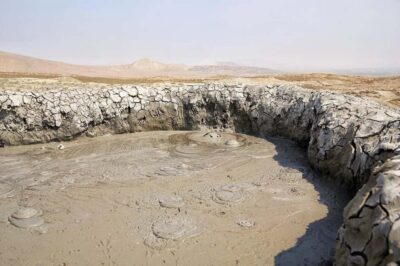
Gobustan, Volcanoes, Fire Temple and Yanardag Day Trip
Read our review →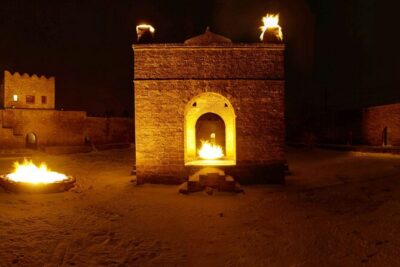
Gobustan-Mud Volcan-Fire Temple and Mountain Tour/Entrance inc
Read our review →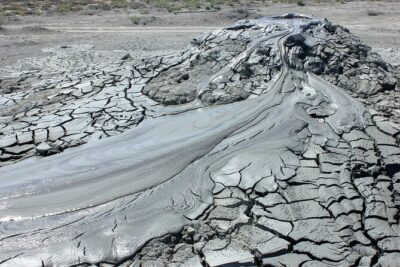
Gobustan, Mud volcanoes, Fire temple, Fire mountain PRIVATE TOUR
Read our review →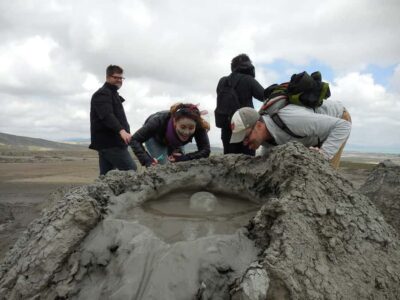
Gobustan & Mud, Fire Temple, Burning Mountain, H.A. Center
Read our review →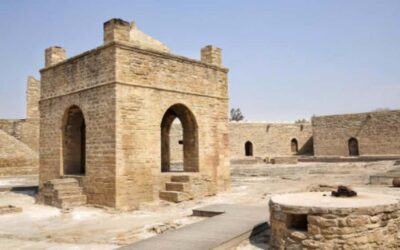
Gobustan, Mud Volcanoes, Fire Temple, & Yanar Dag Tour
Read our review →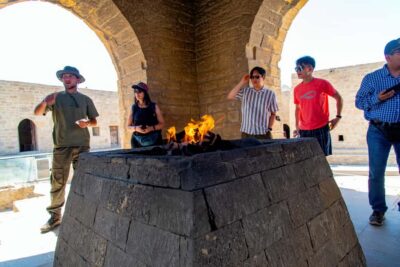
Atashgah Fire Temple & Burning Mountain Half-Day Tour
Read our review →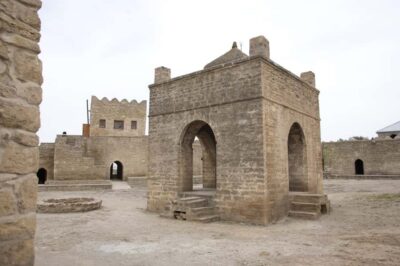
Burning Mountain & Zorastrian Temple Private Tour
Read our review →Browse the lists this tour appears in