
Reviewed · GOBUSTAN & MUD VOLCANO TOURS
Baku: Gobustan, Mud Volcano, Fire Temple & Burning Mountain
A bubbling mud volcano, an ancient rock panel, and a fire that burns from the earth make this one of Baku’s most unusual day trips. You get a quick look at several sides of Azerbaijan: prehistoric art, Islamic heritage, oil history, and natural gas flames, all within about 40 to 60 minutes of the capital.
I like the wide mix of sights and the included 4×4 ride to the mud volcanoes. I also like that the route adds Bibi-Heybat Mosque and the first mechanically drilled oil well, rather than treating Gobustan as a single-stop outing. The main concern is timing. One booking reported a return closer to 6 p.m. instead of the advertised 4 p.m., with lunch as late as 3 p.m., so this is not the best choice if you need a tightly controlled schedule.
Key points to know before booking
- Ancient Gobustan carvings: See rock art said to be more than 20,000 years old, with about an hour for a guided visit.
- Mud volcanoes by 4×4: A separate vehicle charge is included, giving you access to one of Azerbaijan’s strangest natural sights.
- Fire and faith in one day: Visit Ateshgah Fire Temple and Yanardag, where natural gas creates a lasting flame.
- Baku’s oil story: Stop at the site of the world’s first mechanically drilled oil well, dated to 1846.
- Good guide reports, uneven logistics: Javid received special praise for clear, multilingual care, but one booking had a missed pickup and another raised serious timing and communication concerns.
- Price depends on the package: The base price is $27 per person, but lunch and entry tickets are included only with the all-inclusive choice.
Why this route gives you a useful picture of Azerbaijan
Many short trips from Baku focus on one attraction. This one tries to explain the country through four linked themes: early human life, unusual geology, religious tradition, and oil. That makes the route appealing if you have only one free day outside the city and want more than a museum visit.
The stops are spread across Gobustan and the Absheron area. You will spend a fair amount of time in the vehicle, and city traffic can affect the schedule. Still, the route has good range. Within six to seven hours, you can see carved rocks, muddy cones, a mosque, an oil landmark, a fire temple, and a natural flame.
The experience is offered with an English-speaking driver or guide, and a private group option is available. If you want a private car for your own party, you can select that arrangement, with the option to add a guide at the final booking step. Guide quality matters here because several stops are more meaningful when someone explains what you are seeing.
Javid is one guide specifically praised for being multilingual, informative, and attentive to the needs of the group. Other bookings describe the guides as friendly and well prepared. At the same time, one poor report described weak English and limited explanation, so I would confirm exactly what is included: an English-speaking driver, a full guide, or both.
More Gobustan and mud volcano runs:
- Baku: Gobustan, Mud Volcano, Fire Mount, Temple Lunch Entry
★ 4.9 · 3,246 reviews - BEST Gobustan, Volcanoes & Absheron Fire Tour (Group or Private)
★ 5.0 · 1,254 reviews - Gobustan and Absheron tour (All inclusive)
★ 5.0 · 1,014 reviews
Gobustan rock art and the first signs of human life
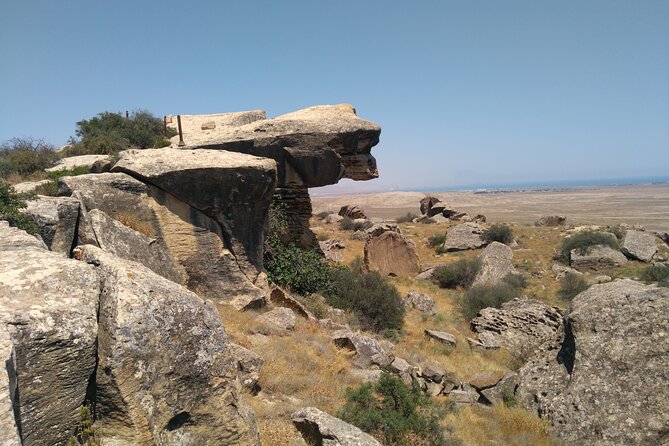
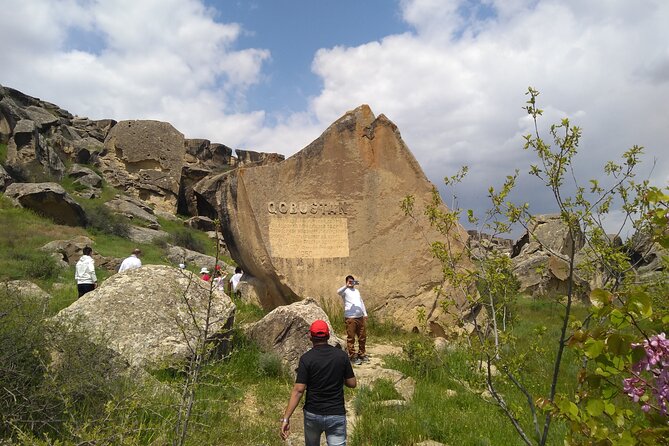
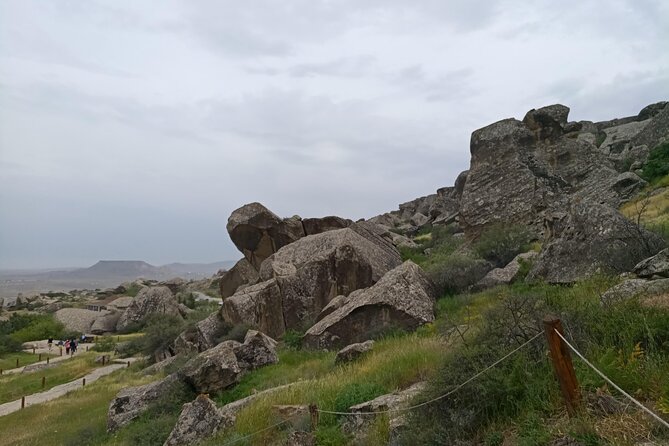
Gobustan is the intellectual heart of the outing. The site contains ancient carvings on rock surfaces, some dated to more than 20,000 years ago. These images offer a direct link to people who lived in this region long before modern Azerbaijan, its oil industry, or its present-day cities existed.
You have about an hour here for a guided visit, sightseeing, and photographs. That is enough for a useful introduction, though not a slow archaeological study. I would listen closely to the guide’s explanation because the carvings can be easy to overlook if you simply walk past the rock faces.
The value of this stop is not just the age of the drawings. It gives you a reason to look at the surrounding terrain differently. Simple marks and figures become evidence of hunting, movement, and daily life from a very distant period. You do not need specialist knowledge to enjoy it, but you will get more from the visit if you take time to ask what the individual carvings represent.
Wear comfortable shoes and clothes. The tour information specifically recommends both, and cash is worth carrying for costs not covered by your selected package. Gobustan has an entry fee of 10 AZN when tickets are not included.
Mud volcanoes and the required 4×4 ride
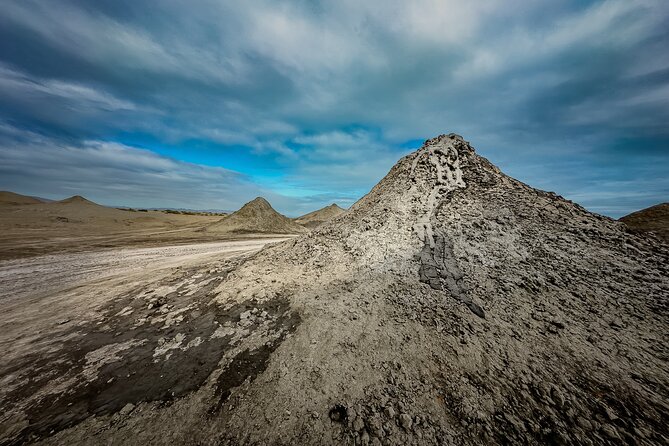
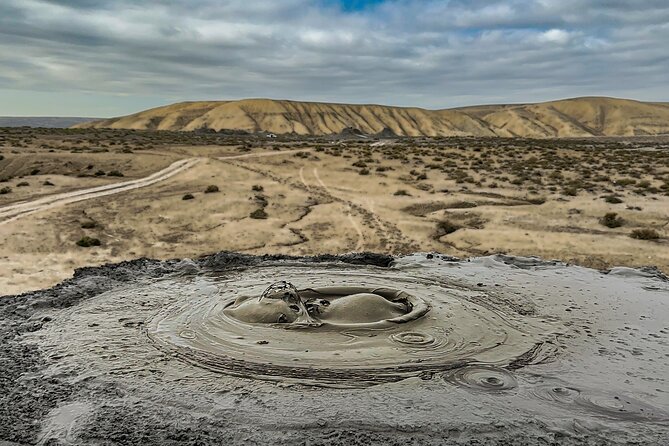
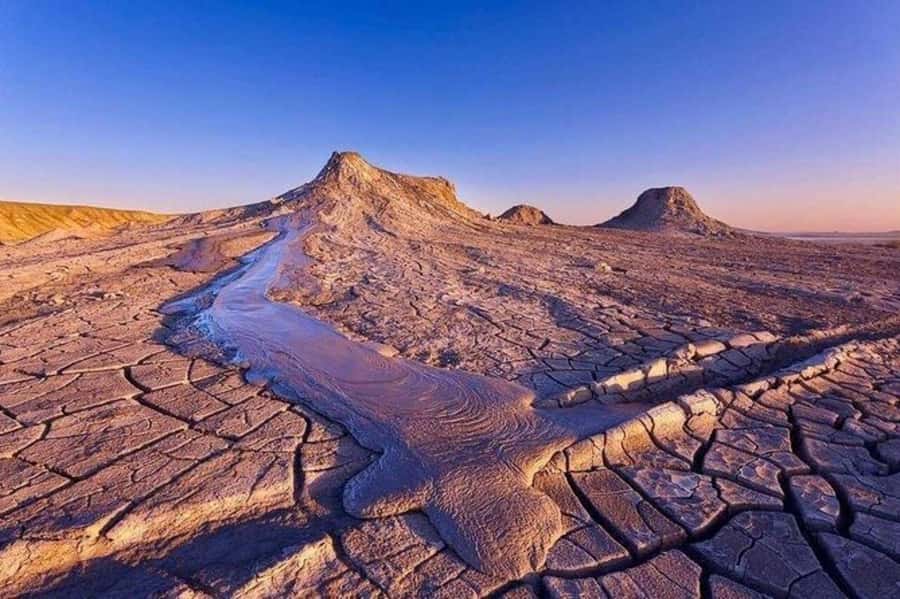
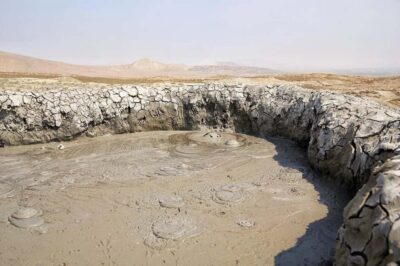
The mud volcanoes are the day’s most distinctive natural stop. Azerbaijan has more mud volcanoes than any other country, and the Gobustan area is the place to see why this feature is so closely tied to the country’s identity.
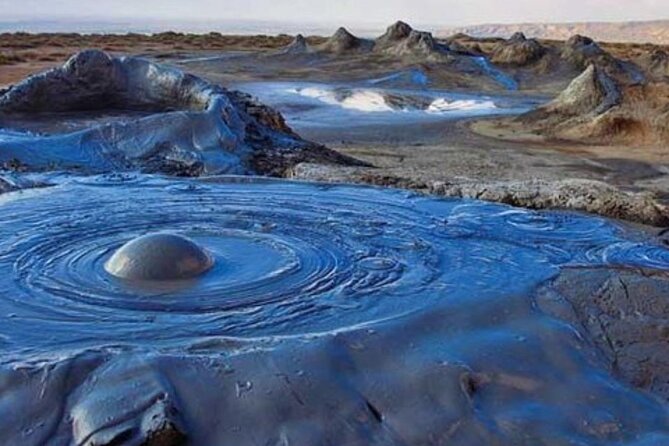
You spend about 30 minutes at the volcanoes, with a guided explanation of how they form. These are not ordinary lava volcanoes. Mud, gas, and underground pressure create low cones and bubbling pools, producing a scene that feels more like an active geological experiment than a classic mountain volcano.
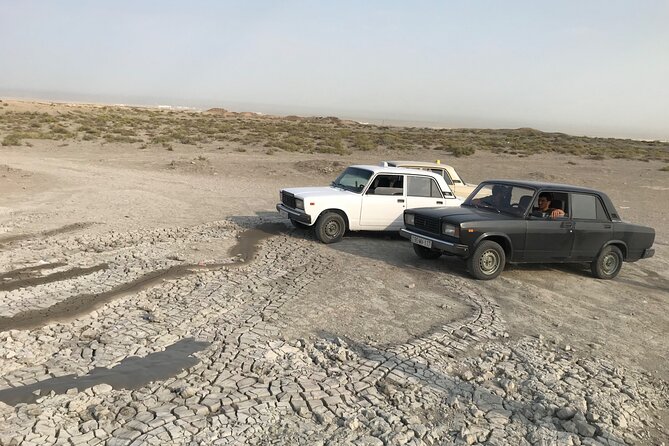
The 4×4 charge is included, which is important. A standard car is not the point of this part of the outing, and the separate vehicle helps the group reach the mud volcano area. The stop is short, so expect a compact visit rather than a long walk or a full geology lesson.
I would keep your expectations realistic. The volcanoes are unusual, but the visit depends on conditions at the site and the time allowed. You may find the mud bubbling quietly rather than erupting dramatically. The appeal is the oddness of the place, not a guaranteed spectacle.
This is also one reason comfortable shoes matter. Bring cash, and avoid wearing anything you would worry about getting dusty. The supplied information does not promise protective gear or a particular walking surface, so practical clothing is the sensible choice.
Bibi-Heybat Mosque, a brief but worthwhile pause
Bibi-Heybat Mosque receives about 15 minutes, making it one of the shortest stops. That time is enough for a photo stop and a quick guided look, but you should not expect a long religious or architectural visit.
The mosque is important as an Islamic monument in Baku. Including it adds balance to a day otherwise dominated by prehistoric carvings, oil machinery, and natural flames. You get a glimpse of Azerbaijan’s religious tradition before moving on to the industrial and fire-related stops.
Because the visit is brief, listen for the key facts rather than trying to absorb every detail. Dress and behave respectfully at a religious site. The tour information does not set out a detailed dress code, so modest, comfortable clothing is the safe choice.
More fire temple and burning mountain trips:
- Baku: Gobustan, Volcanoes, Fire Temple and Yanardag Day Trip
★ 4.7 · 433 reviews - Gobustan & Mud, Fire Temple, Burning Mountain (Group & Private)
★ 4.5 · 418 reviews - Gobustan-Mud Volcan-Fire Temple and Mountain Tour/Entrance inc
★ 5.0 · 267 reviews - Gobustan, Mud volcanoes, Fire temple, Fire mountain PRIVATE TOUR
★ 5.0 · 47 reviews
The 1846 oil well and Azerbaijan’s industrial past
Azerbaijan’s modern story is impossible to separate from oil. This tour stops at the site of the world’s first mechanically drilled oil well, dating from 1846. The visit is a useful counterpoint to Gobustan because it shows how dramatically the region moved from ancient human settlement to large-scale industrial development.
The stop is primarily about seeing the site and understanding its place in oil history. It is not presented as a long museum visit, so your guide’s explanation will shape how much context you get. If this subject interests you, ask questions about what made the well important and how it connects to Baku’s wider oil story.
I like this inclusion because it prevents the day from becoming a simple collection of scenic stops. The oil well gives the route a clear historical thread. Azerbaijan is not only a place of ancient carvings and sacred fire. It also helped shape the technology and economy of the modern oil age.
Ateshgah Fire Temple and the meaning of sacred flame
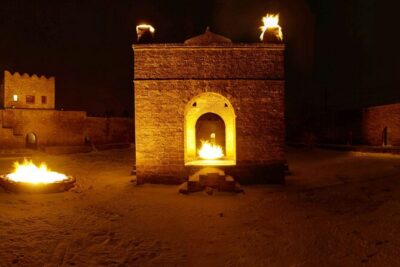
Atesgah Fire Temple is one of the strongest stops on the route. You have about 45 minutes for a guided visit, photographs, and sightseeing. The main attraction is the eternal flame, fueled by natural gas from below the ground.
The temple connects geology with worship. Natural flames once made this area significant to fire worshippers, and the site later became a place where religious traditions met along the old trade routes of the region. You can appreciate the setting even if you are not religious, because the central idea is so clear: the earth itself appears to be producing fire.
The combo ticket for Ateshgah Fire Temple and Burning Mountain costs 15 AZN when it is not included. The all-inclusive package covers entry tickets, but one booking specifically advised checking the ticket option because paying at the sites can be cheaper if you can get local cash. That makes the package choice worth calculating instead of accepting automatically.
The 45-minute visit should give you time to see the temple without rushing. Still, this is a compact tour, not a half-day archaeological visit. If you like taking many photographs or reading every sign, you may feel the pace.
Yanardag and the flame at Mammadli
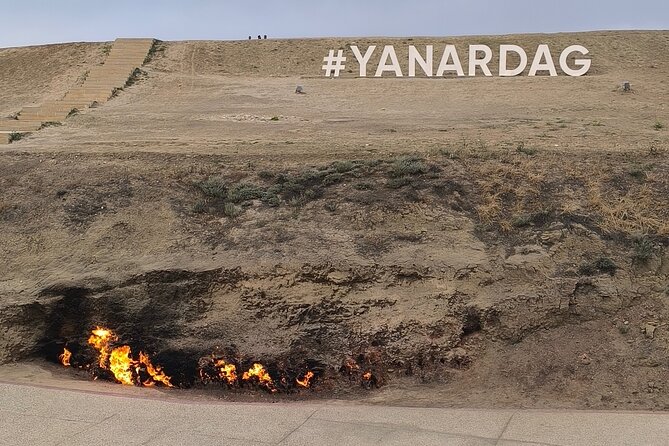
Yanardag Reserve, also called Burning Mountain, is the other fire-based stop. The route continues to Yanardag and the village of Mammadli for a guided exploration, with about 30 minutes listed for the visit.
Yanardag is different from Ateshgah. Ateshgah is a built religious site centered on sacred fire, while Yanardag lets you see natural gas burning from the ground itself. Together, the two stops explain why fire became such a strong part of the area’s culture and identity.
The visit is short, so plan to see the flame, hear the explanation, and take photographs before moving on. The combination ticket covers both Ateshgah and Burning Mountain when you choose the ticket option. If you choose the basic package, budget for the 15 AZN admission cost and carry cash.
The fire stops are especially good for families because the sight is immediate and easy to understand. The tour information describes the outing as suitable for all ages and says kids enjoy it, though it separately lists the experience as not suitable for people over 70. That restriction should be taken seriously when deciding if the pace and transport suit your group.
A final view of the Heydar Aliyev Cultural Center
Before returning to your hotel, the route includes a stop outside the Heydar Aliyev Cultural Center. This is a photo stop rather than a full interior visit, so think of it as a modern architectural finish to a day filled with ancient and natural sights.
The center gives you one last contrast. Gobustan shows early human expression, while the cultural center represents contemporary Baku. You will not have time to explore its exhibitions on this tour, but the exterior makes a useful final photograph and rounds out the city’s story.
The advertised drop-off information lists 191 Tolstoy, Baku, along with a second drop-off location depending on the selected option. Confirm your exact return point when booking, especially if you have evening plans.
What the $27 price really covers
At $27 per person, the tour can be good value if you want transport, an English-speaking guide, and several distant sights handled in one day. The 4×4 charge for the mud volcanoes is included, which removes one cost that could otherwise catch you by surprise.
The key phrase is selected option. Lunch and entry tickets are included only with the all-inclusive package. In the basic version, lunch is not included, Gobustan admission is 10 AZN, and the Ateshgah and Burning Mountain combo ticket is 15 AZN.
That means the cheapest headline price is not the final cost if you add every admission and lunch. On the other hand, paying for tickets yourself may cost less than the package, according to one booking, provided you can access Azerbaijani cash. Compare both choices before paying.
Lunch timing deserves attention. One poor experience had lunch at about 3 p.m. after a 9 a.m. departure. If you need food at regular times, eat a proper breakfast and carry a snack. Do not assume lunch will arrive midway through the day.
Timing, traffic, and pickup checks
The stated duration is six to seven hours, but allow flexibility. The route covers several locations, and traffic around Baku can stretch the day. One booking described a return closer to 6 p.m. rather than 4 p.m., so I would not schedule a flight, show, or nonrefundable dinner immediately afterward.
Pickup is optional and depends on the selected arrangement. Private transfers are available, and the tour lists two possible drop-off locations. Confirm the pickup point, pickup time, and return location in writing before the day begins.
There was also one serious report of a missed pickup from the designated point. That appears to be an isolated but important warning. Arrive early, keep your phone available, and make sure the operator has the correct hotel or meeting point.
The route can be run as a private group, which is the better choice if you want control over stops or are traveling with family. A shared arrangement may cost less, but the schedule will be less flexible and a delay affects everyone.
Who will enjoy this Baku day trip
I would recommend this tour to you if you want a broad first look at the area beyond Baku. It works well for families, first-time visitors, and anyone interested in unusual geology, early rock art, religious sites, or Azerbaijan’s oil past.
It is also useful if you do not want to arrange separate taxis, tickets, and a 4×4 ride. The route is efficient in concept, and the combination of sights is hard to reproduce as cheaply without planning.
I would hesitate if you dislike vehicle time or need a guaranteed return hour. The itinerary is packed, lunch may be late, and traffic can change the day. People over 70 should also note the stated suitability restriction before booking.
Guide quality is another deciding factor. Javid received particularly strong praise for multilingual explanations and personal care, while one booking described poor English and little added information. Ask who your guide will be and whether the person is an English-speaking guide or only a driver.
Should you book it?
Book this tour if you want maximum variety for a modest price and can handle a flexible day. The best parts are the rare combination of Gobustan rock art, mud volcanoes, the 1846 oil well, and the two fire sites. The 4×4 ride is included, and private-car arrangements give you a more comfortable option.
Before paying, compare the basic and all-inclusive packages, plan for a late lunch, carry cash, and confirm pickup details. If your priority is a slow archaeological visit, a guaranteed finish time, or detailed commentary at every stop, arrange a more specialized private tour instead.
FAQ
How long does the tour last?
The stated duration is six to seven hours. Actual return time can vary, so allow extra time beyond the advertised schedule.
What language is the tour conducted in?
The tour provides an English-speaking guide or driver. A private group option is available, and you can add a guide at the final booking step.
Is hotel pickup included?
Pickup depends on the option you select. Private transfers are available, so confirm the exact pickup arrangement when booking.
Are lunch and entry tickets included?
Lunch and entry tickets are included only with the all-inclusive package. They are not included in the basic option.
How much are the entry tickets if they are not included?
Gobustan entry costs 10 AZN. The combined Ateshgah Fire Temple and Burning Mountain ticket costs 15 AZN.
Is the 4×4 ride to the mud volcanoes included?
Yes. The 4×4 charge for the Mud Volcanoes of Gobustan is included.
What should I bring?
Bring comfortable shoes, comfortable clothes, and cash. These are the specific items listed for the activity.
Is the tour suitable for children and older people?
The activity is described as suitable for all ages and enjoyable for children. It is listed as not suitable for people over 70.
Just added around Baku
- Guba and Shahdag City Tour★ 5.0 · 3 reviews
- Lunch included Qobustan, Mud Vulcano, Ateshgah Temple & Yanardag Fire Mountain★ 4.5 · 3 reviews
- Baku’s Ancient Heart★ 5.0 · 3 reviews
- Baku: Secret Tour with Surprise Activity★ 5.0 · 3 reviews
- Baku: Old City Guided Walking Tour★ 4.6 · 3 reviews
- Majestic Journey to Qobustan and Absheron★ 4.5 · 3 reviews
- Lahij – village of masters★ 4.5 · 3 reviews
- Baku night tour★ 5.0 · 3 reviews
Gobustan & Mud Volcano Tours, compared.
Gobustan, Mud Volcano, Fire Mount, Temple Lunch Entry
Read our review →
BEST Gobustan, Volcanoes & Absheron Fire Tour (Group or Private)
Read our review →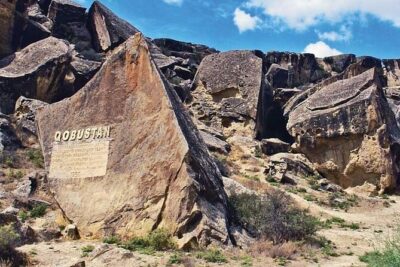
Gobustan, Volcanoes, Fire Temple and Yanardag Day Trip
Read our review →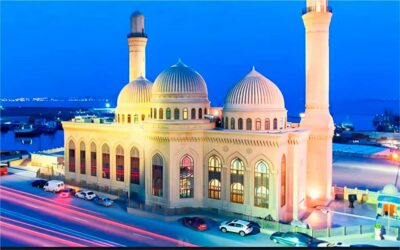
Gobustan-Mud Volcan-Fire Temple and Mountain Tour/Entrance inc
Read our review →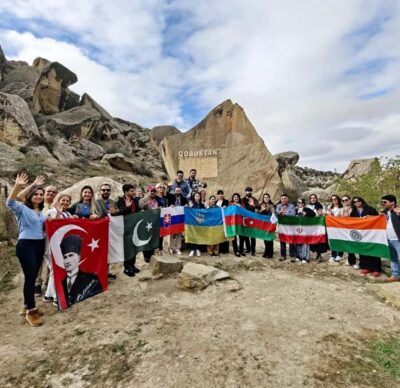
Gobustan Mud Volcanoes Temple & Entry tickets included
Read our review →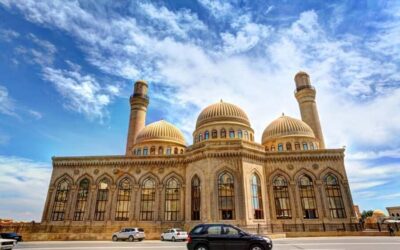
Gobustan-Absheron Tour with Hotel PICK UP and DROP OFF
Read our review →Browse the lists this tour appears in