
Reviewed · GOBUSTAN & MUD VOLCANO TOURS
Baku: Gobustan & Absheron Group Tour + Lunch & Tickets inc
A hillside that burns without a torch, mud bubbling from raw earth, and prehistoric carvings scratched into stone: this Baku day tour packs Azerbaijan’s strangest sights into eight hours. You move from ancient rock art to sacred fire sites, then finish with one of the city’s great modern buildings.
I like the wide mix of experiences, especially the Gobustan petroglyphs and the close look at active mud volcanoes. I also like that lunch, entry fees, pickup, and transport are bundled into the $32 price. The tradeoff is a busy schedule, with several short stops and a fair amount of time on the road.
Key points
- Gobustan carvings date back more than 12,000 years, offering a direct glimpse into prehistoric life.
- The Mud Volcano State Complex combines a small museum with safe viewing of active craters.
- Ateshgah and Yanardag show two different sides of Azerbaijan’s long connection with fire.
- Lunch and entrance tickets are included, helping the $32 price go further.
- Guides speak English, Russian, or Turkish, and Murad and Adil are named as especially friendly, clear guides.
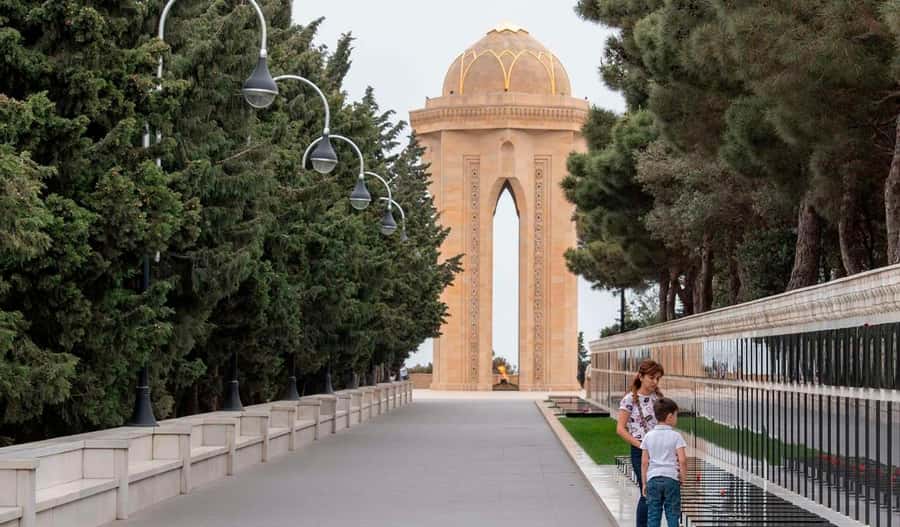
- The Heydar Aliyev Center is an exterior stop, so this visit is for photographs rather than an indoor tour.
Why this Baku day trip works so well
Azerbaijan is easiest to understand when you see its contrasts. In one day, you can look at marks left by prehistoric hunters, watch mud push through the ground, enter a former fire-worship site, and photograph a building designed by Zaha Hadid.
That range is the main reason I would consider this tour. It does not focus only on Baku’s polished center. Instead, it takes you out toward Gobustan and the Absheron Peninsula, where the ground itself tells part of the story.
The $32 price is strong for an eight-hour outing because it includes transportation, a live guide, lunch, and admission tickets. The mud-volcano off-road vehicle is included only if you select the relevant option, so check that detail before booking. Without that option, you should not assume the special vehicle ride is part of your package.
This is a group tour, so you give up some control over timing. The reward is a simple way to reach several spread-out sights without arranging separate taxis, tickets, and meals.
More Gobustan and mud volcano runs:
- Baku: Gobustan, Mud Volcano, Fire Mount, Temple Lunch Entry
★ 4.9 · 3,246 reviews - BEST Gobustan, Volcanoes & Absheron Fire Tour (Group or Private)
★ 5.0 · 1,254 reviews - Gobustan and Absheron tour (All inclusive)
★ 5.0 · 1,014 reviews
From Baku pickup to Gobustan’s ancient carvings
Pickup is available from six listed points, including Baku, Sahil metro station, Nizami Mall, ibis Baku City, Ahmad Rajabli, and Nizami Street. The guide contacts you the day before to confirm the pickup time and basic information. If you use WhatsApp, provide your number, since that is the easiest way to receive the meeting details.
The first drive takes about an hour. That road time matters because Gobustan is not a quick city-center attraction. You are heading into a drier, more open part of the country, so bring water, sunscreen, and a hat rather than treating this like a short urban walk.
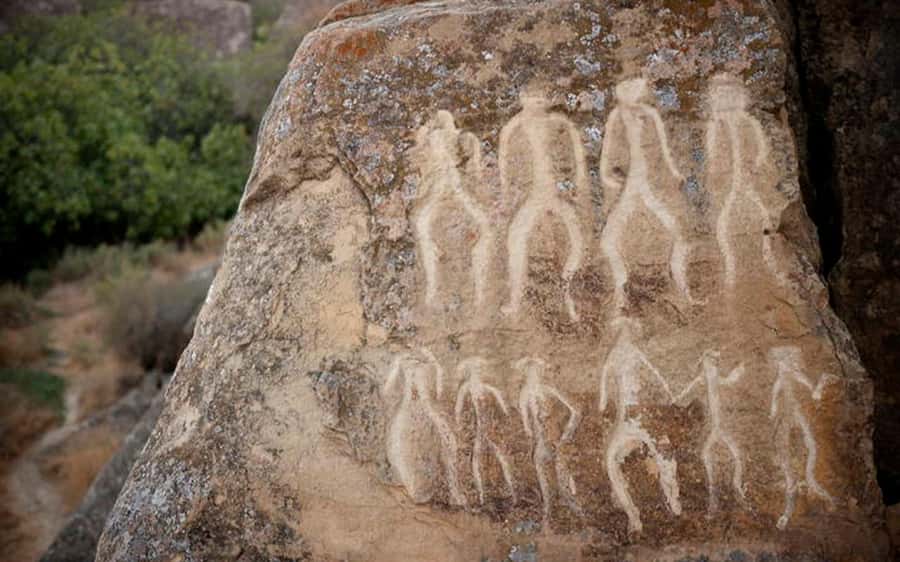
At Gobustan, the visit begins with the Petroglyph Museum, followed by a guided walk among rocks marked with carvings more than 12,000 years old. The schedule allows about 45 minutes here, including a photo stop and guided visit.
This is the most historically important stop of the day. The carvings give you a direct link to prehistoric communities, showing how people recorded animals, hunting, movement, and daily life long before written records. A guide adds value here because the markings can be easy to miss if you do not know what to look for.
You should wear comfortable shoes. The visit takes place among rocks rather than on a smooth city pavement, and the combination of sun, wind, and uneven ground can make sandals or formal shoes a poor choice.
The 45-minute slot is useful but not generous. You will get an introduction and a clear look at the main areas, but this is not a slow archaeological study. If Gobustan is your main reason for visiting Azerbaijan, a longer specialist visit may suit you better. For a broad day tour, the timing gives you a meaningful taste without allowing one stop to swallow the whole day.
Mud volcanoes and Azerbaijan’s unusual geology
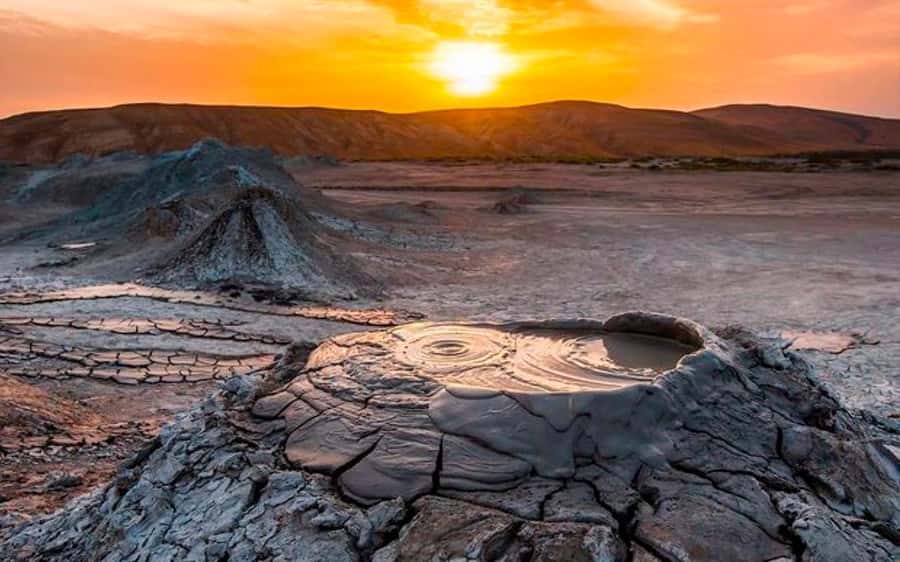
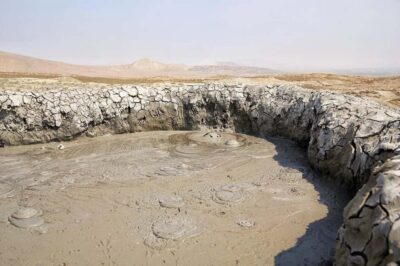
The next stop is the Mud Volcano State Complex, reached after the Gobustan visit. You have roughly 25 minutes for the museum, explanation, photographs, and a close look at the active craters.
Mud volcanoes are not ordinary volcanoes with flowing lava. Here, mud and gases rise from below the surface, creating bubbling, lumpy formations. The sight is quiet and earthy rather than dramatic, but that is part of its appeal. You are seeing a geological process that feels far removed from the usual sightseeing circuit.
The complex lets you observe the craters safely up close. If you select the appropriate package, an off-road vehicle for the mud volcano section is included. Confirm this when comparing booking choices, since the inclusion is conditional.
I like this stop because it changes the pace after Gobustan. The carvings ask you to think about human history; the mud volcanoes turn your attention to the ground beneath your feet. It is also a good example of why this region feels different from a standard European capital break.
The short visit has a clear limitation. You will see the site and hear the basic explanation, but you should not expect a long geology lesson or an extended expedition across the area. Keep your expectations focused on a compact, unusual nature stop.
A Caspian viewpoint before lunch
After the mud volcanoes, the group makes a shorter stop at a Caspian Sea cliff or coastal viewpoint. The schedule allows about 20 minutes for fresh air, photographs, and free time.
This is a modest pause, but it breaks up the morning nicely. After several hours in the vehicle and at dry outdoor sites, a coastal view gives you room to stretch and reset before the next set of historical stops.
Because the exact viewpoint is not specified, do not book this tour expecting a particular beach or a long seaside walk. Think of it as a scenic break and photo opportunity. The value is in the change of setting, not in a major guided attraction.
More of the Absheron peninsula:
- Baku: Gobustan Absheron Tour Entry Tickets included
★ 4.9 · 329 reviews - Baku: Gobustan-Absheron Tour with Hotel PICK UP and DROP OFF
★ 4.8 · 170 reviews - Baku: Gobustan/Absheron guided tour with lunch and tickets
★ 4.8 · 158 reviews - Gobustan and Absheron peninsula ( Group or Private ) TOUR ( All inclusive )
★ 5.0 · 130 reviews
Azerbaijani lunch in the middle of the day
Lunch lasts about an hour at a local restaurant and is included in the tour. The meal is described as local-style Azerbaijani cuisine, giving you a chance to eat something connected to the country rather than simply grabbing food near a highway stop.
The one-hour break is practical. It gives you time to sit down properly, eat, and recover from the morning. Since the exact menu is not provided, you should not book with a particular dish in mind. If you have dietary needs, ask the operator before departure rather than assuming the restaurant can adjust the meal.
Lunch also improves the value calculation. At $32, a tour that includes the meal, tickets, and transport is easier to justify than one that advertises a low base price and adds each expense later. Personal purchases are not included, so carry money for anything beyond the planned meal.
Ateshgah Fire Temple and the meaning of sacred flame
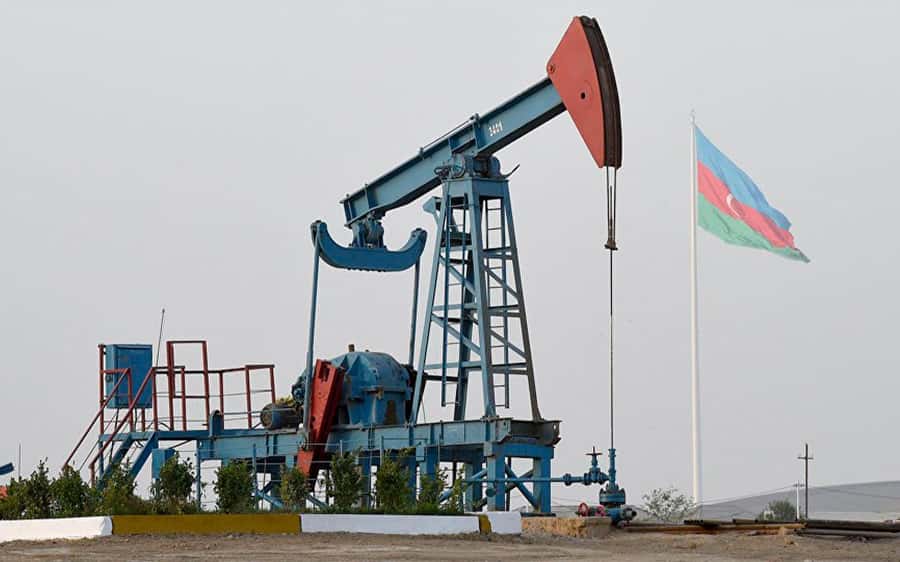
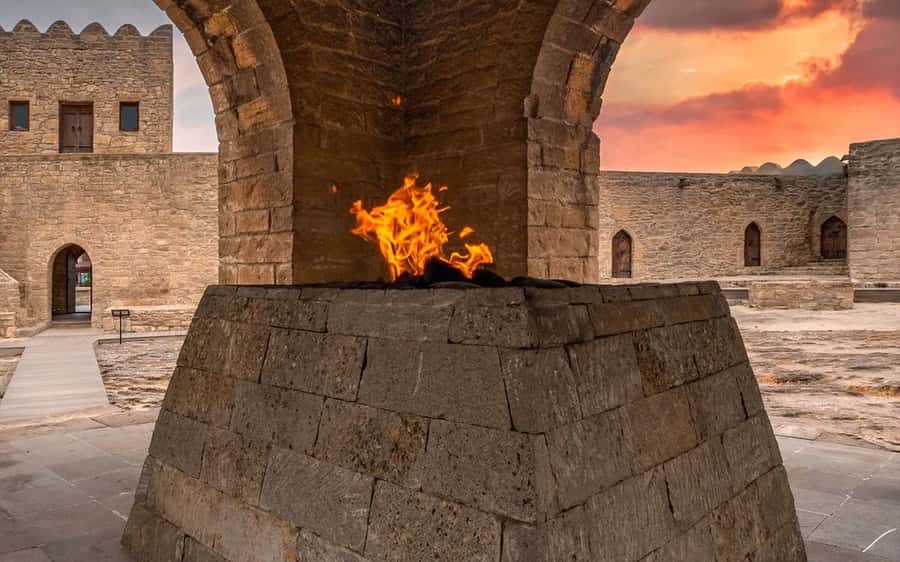
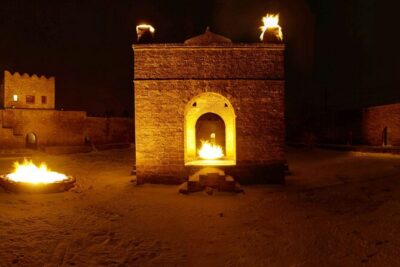
The next major stop is the Ateshgah Fire Temple, with about 30 minutes for the visit and guided explanation. This site was connected with Zoroastrian and Hindu rituals, and fire held a sacred place in its traditions.
The temple is useful context for the later visit to Yanardag. You first see a place where people gathered around fire as a spiritual symbol. Then you see a natural flame burning directly from the hillside. Together, the two stops explain why fire has such a strong place in Azerbaijan’s cultural story.
Thirty minutes is enough for a focused visit, photographs, and an overview from the guide. It is not a lengthy religious-history seminar. I would pay attention to the explanation rather than rushing only to take pictures, since the importance of Ateshgah comes from its rituals and cultural connections as much as its walls.
The site also helps prevent the day from becoming a string of unrelated curiosities. Gobustan represents prehistoric life, the mud volcanoes represent geology, and Ateshgah connects the natural force of fire with human belief.
Yanardag, where the hillside burns
Yanardag, or Burning Mountain, is one of the day’s most memorable visual stops. Natural gas burns continuously from the hillside, creating flames that remain visible without a person tending them.
You have about 25 minutes here for a guided visit, photographs, and free time. The stop is short, but the sight is unusual enough that it does not need hours. You can watch the flames, feel the heat, and listen to the explanation of why this natural fire has lasted.
Yanardag is best understood alongside Ateshgah. At the temple, fire was treated as sacred by people who built a place around it. At Yanardag, the fire is a natural feature that helped shape local beliefs and legends. The pairing gives the day a clear thread.
Practical advice matters here. Wear sunscreen and bring water, since several stops are outdoors and exposed. Comfortable shoes will help at both the natural sites and Gobustan. A camera is worth carrying, though bright daylight and flame can make photographs tricky.
Heydar Aliyev Center, a modern final stop
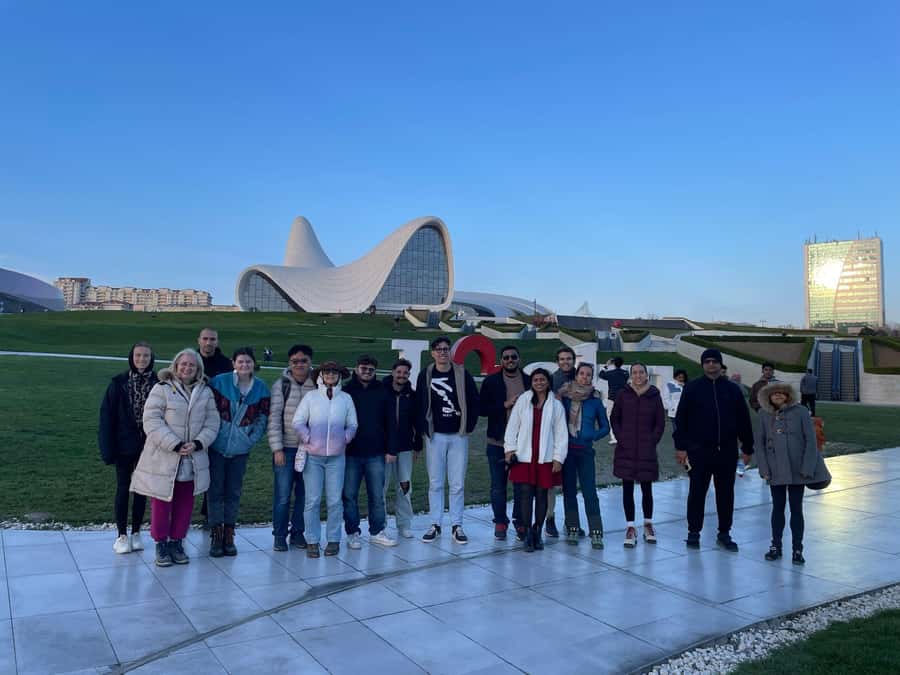
Before returning to your hotel, the group stops in Baku at the Heydar Aliyev Center for about 20 minutes. This is an exterior visit, with time for photographs, a guided introduction, and some free time.
The building, designed by Zaha Hadid, is famous for its flowing white curves and unusual shape. It gives the tour a strong modern finish after a day spent with prehistoric carvings, ancient rituals, and natural phenomena.
Be clear about what is included: this is an outside visit. The schedule does not include entry to the interior or its exhibitions. If you want to tour the building inside, you would need to arrange that separately at another time.
Still, the exterior stop is worthwhile for a first visit to Baku. It shows how quickly the city can shift from ancient fire traditions to bold contemporary design. Twenty minutes is enough to take photographs and understand why the center is one of Baku’s best-known landmarks.
Guides, languages, and the group format
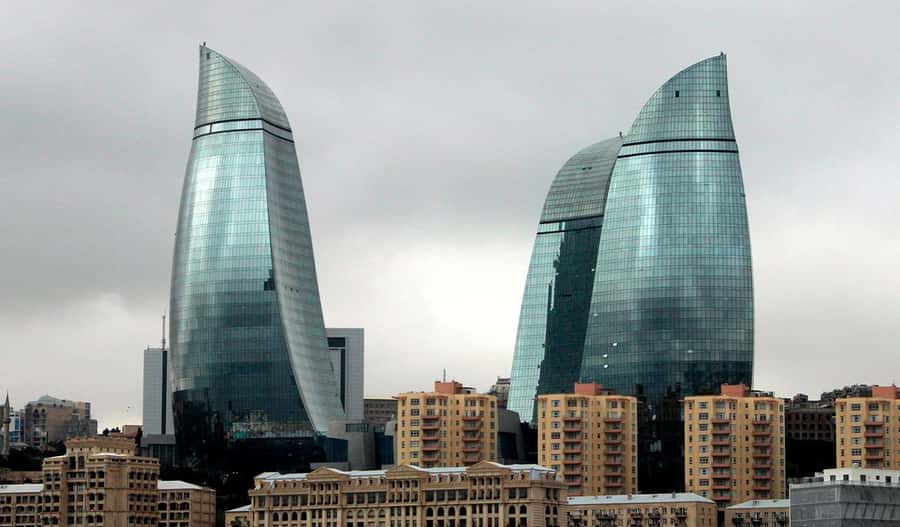
A live guide is provided in English, Russian, or Turkish. The named guides in the feedback include Murad and Adil. Murad is described as friendly and clear, while Adil made an effort to explain points in Turkish even though the main tour language was English.
That detail matters if you are comfortable in Turkish but book an English departure. You may find that the guide can offer extra explanations, though the available guide and language depend on the departure.
The tour’s strongest human element is its guide-led format. Gobustan, Ateshgah, and Yanardag all benefit from context, and a good explanation helps connect the stops. You are not simply being dropped at a series of sites.
The format also asks for patience. You will share the vehicle, follow a fixed route, and leave each stop when the schedule calls. Several visits last only 20 to 30 minutes. If you prefer to linger, sketch, or explore at your own pace, a private tour would give you more freedom, though it would not offer the same $32 value.
Is eight hours too packed?
The day includes roughly one hour of driving at the start, 35 minutes between the mud volcano area and the next stop, 25 minutes back to Baku, plus shorter transfers between the remaining attractions. That is a lot of ground, but the route is designed to show you several parts of the Baku region in one day.
You should expect a full schedule rather than a relaxed countryside outing. Gobustan gets the longest sightseeing block at 45 minutes, lunch receives an hour, and most other stops range from 20 to 30 minutes.
I see this as a strength for a first visit. You get a useful overview of the region’s archaeology, geology, religion, natural fire, cuisine, and architecture without needing to plan multiple excursions.
The weakness is depth. You will not have much spare time for wandering, and the coastal pause is brief. Book it if you value variety and efficient transport. Skip it if your priority is a slow visit to one archaeological or religious site.
What to bring for the outdoor stops
The operator recommends comfortable shoes, a hat, camera, sunscreen, and water. Take that list seriously because the tour includes exposed sites, rocky ground, and several outdoor walks.
A small day bag should be enough. Keep your water accessible during the morning, and use sunscreen before leaving Baku rather than waiting until the sun feels strong. The camera is especially useful at Gobustan, the coastal viewpoint, Yanardag, and the Heydar Aliyev Center.
Pickup details arrive the day before. If you have WhatsApp, share your number so the guide can contact you easily. If not, the information is sent by email or through the booking platform.
Who should book this tour?
I would choose this tour for a first visit to Baku when I want the major out-of-town sights handled in one day. It suits curious sightseers who enjoy switching between archaeology, geology, religious history, food, and modern architecture.
It also suits budget-conscious visitors. For $32, the combination of transport, guide, lunch, and entry tickets offers good value, especially when you factor in the distance between Baku, Gobustan, and Absheron.
Families and mixed-interest groups may like the variety, though young children may find the driving and short explanations tiring. The tour is also a practical choice if you do not speak Azerbaijani, since live guidance is available in English, Russian, and Turkish.
I would hesitate if you want a slow, highly detailed archaeological experience, a long coastal stop, or an indoor tour of the Heydar Aliyev Center. The schedule is built around seeing many highlights, not spending half a day at one place.
FAQ
How long does the tour last?
The tour lasts eight hours, including transportation, sightseeing stops, lunch, and the return transfer to Baku.
What is included in the price?
Pickup and drop-off, transportation by comfortable bus, a live professional guide, entry tickets, and lunch are included. The mud-volcano off-road vehicle is included if you select the option that contains it.
Which languages are available?
Live guides are available in English, Russian, and Turkish.
Where can pickup take place?
The listed pickup points include Baku, Sahil metro station, Nizami Mall, ibis Baku City, Ahmad Rajabli, and Nizami Street.
Does the tour include lunch?
Yes. The tour includes a one-hour lunch break at a local restaurant serving local-style Azerbaijani cuisine.
Is the Heydar Aliyev Center visit inside the building?
No. The scheduled stop is an exterior visit for photographs, guided information, and free time.
What should I bring?
Bring comfortable shoes, a hat, a camera, sunscreen, and water.
Can I cancel the booking?
You can cancel up to 24 hours in advance for a full refund.
How will I receive pickup details?
The guide contacts you the day before to confirm the pickup time and general information. WhatsApp is preferred if available, while email or messages through the booking platform are used if you do not use WhatsApp.
Should you book the Gobustan and Absheron tour?
Book it if you want a high-value overview of Baku’s surroundings with the practical pieces already arranged. Gobustan, the mud volcanoes, Ateshgah, Yanardag, lunch, and the Heydar Aliyev Center give you a broad picture of Azerbaijan in a single day.
The main thing to accept is the pace. You will cover a lot of ground, but several stops are brief. For a first visit, that balance works well. You leave with ancient carvings, bubbling mud, sacred fire, natural flames, local food, and modern Baku all in the same day.
More Lunch Experiences in Baku
- Baku: Guba, Shahdag, Laza & Lunch w/ Free City & Night Tour
★ 4.8 · 1,455 reviews - Baku: Candy Cane, Guba, Khinaliq village with Homemade Lunch
★ 4.9 · 519 reviews - Baku: Guba & Sahdag Tour Lunch included and Laza Waterfall
★ 4.9 · 506 reviews - Baku: Guba Khinalig & Candy Cane Tour with Homemade Lunch
★ 4.9 · 447 reviews
Just added around Baku
- Lunch included Qobustan, Mud Vulcano, Ateshgah Temple & Yanardag Fire Mountain★ 4.5 · 3 reviews
- Guba and Shahdag City Tour★ 5.0 · 3 reviews
- Baku’s Ancient Heart★ 5.0 · 3 reviews
- Baku: Secret Tour with Surprise Activity★ 5.0 · 3 reviews
- Baku: Old City Guided Walking Tour★ 4.6 · 3 reviews
- Majestic Journey to Qobustan and Absheron★ 4.5 · 3 reviews
- Baku night tour★ 5.0 · 3 reviews
- Lahij – village of masters★ 4.5 · 3 reviews
Gobustan & Mud Volcano Tours, compared.
Gobustan, Mud Volcano, Fire Mount, Temple Lunch Entry
Read our review →
BEST Gobustan, Volcanoes & Absheron Fire Tour (Group or Private)
Read our review →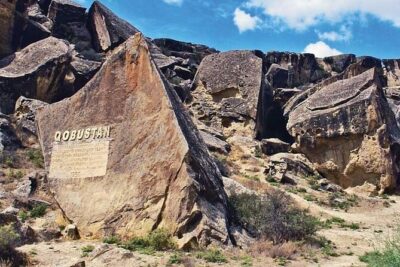
Gobustan, Volcanoes, Fire Temple and Yanardag Day Trip
Read our review →
Gobustan-Mud Volcan-Fire Temple and Mountain Tour/Entrance inc
Read our review →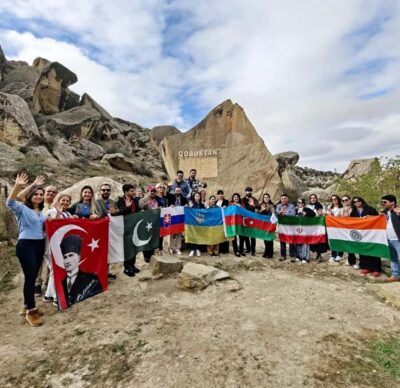
Gobustan Mud Volcanoes Temple & Entry tickets included
Read our review →
Gobustan-Absheron Tour with Hotel PICK UP and DROP OFF
Read our review →Browse the lists this tour appears in