
Reviewed · GOBUSTAN & MUD VOLCANO TOURS
Gobustan-Absheron Tour
Gobustan’s mud volcanoes look like a piece of the moon dropped outside Baku. Add prehistoric carvings, an old oil well, a fire temple, and a hill that burns from natural gas, and you get a long day packed with Azerbaijan’s strangest sights. I like the broad mix and the low $29 price. I also like the small-group limit of 18, which gives the guide room to explain what you are seeing.
The main catch is cost clarity. The tour description presents a three-course lunch, yet the inclusions list says lunch is not included. Entrance tickets are also excluded, including the Gobustan museum, Ateshgah, Yanar Dag, the Natural History Exhibition, and the mud volcano complex. Confirm the final extras before you pay.
Key points to know before you book
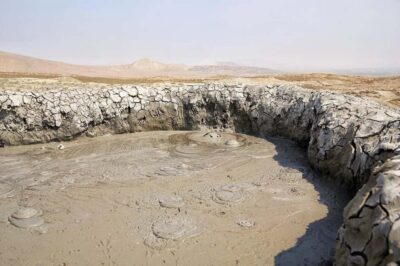
- Mud volcanoes beyond Baku: Ride out to a bare, bubbling area that looks unlike the city and unlike most standard Azerbaijan sightseeing stops.
- Prehistoric carvings in Gobustan: Walk among rock paintings and hear about hunting, survival, social order, and daily life in the prehistoric era.
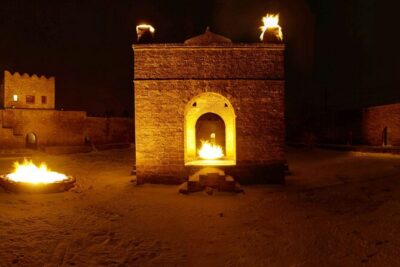
- Azerbaijan’s fire traditions: Ateshgah introduces the country’s Zoroastrian and Hindu connections, while Yanar Dag shows natural flames still burning from the ground.
- A full day for a modest price: Expect about 9 to 11 hours, with the route returning to central Baku late in the day.
- A guide-led experience: English and Russian guiding is offered, and named guides have included Nazpəri Həsənzadə, Nazef, Emir, and Mishfig, though your guide is assigned rather than chosen.
- Check what is actually included: Transport and guiding are included. Tickets are not, and lunch needs confirmation because the information is inconsistent.
Why this Baku day trip covers so much ground
This is not a slow, single-site outing. It is a sweep across the eastern side of Azerbaijan, with the morning focused on Gobustan and the afternoon on Absheron. You leave from 1 Azərbaycan Prospekti in Baku, ride in air-conditioned transport, and return to the same meeting point.
That range is the main reason to choose it. In one day, you get geology, archaeology, religion, industry, and food. Few short excursions from Baku offer such a wide picture of the country’s past and present.
The tradeoff is pace. Nine to 11 hours is a serious day, and several stops involve walking outside. The route works best if you prefer seeing many important places in one outing rather than spending an entire morning at one museum or archaeological site.
The group limit is 18 people. That is small enough for a more personal feel than a large coach tour, but it is not private. One useful sign of flexibility is that some departures have operated with only a small number of people, even becoming private tours when no one else joined. Do not count on that, but it can happen.
More Gobustan and mud volcano runs:
- Baku: Gobustan, Mud Volcano, Fire Mount, Temple Lunch Entry
★ 4.9 · 3,246 reviews - BEST Gobustan, Volcanoes & Absheron Fire Tour (Group or Private)
★ 5.0 · 1,254 reviews - Gobustan and Absheron tour (All inclusive)
★ 5.0 · 1,014 reviews
The first oil well and the machinery of Absheron
The first short stop is tied to Azerbaijan’s oil story. The well was drilled in 1846 and first produced oil on July 14, 1848. That date matters because Baku’s oil industry helped push modern petroleum production forward.
You will have about 15 minutes here, so think of it as an orientation stop rather than a full museum visit. The tour also passes Soviet-era pumpjacks that are still working. Those moving machines give you a useful reminder that oil is not only a chapter in Azerbaijan’s past. It remains part of the region’s daily identity.
I like this opening because it connects the odd sights ahead with the reason Baku became so important. The fire temples and burning hills are ancient, but the oil wells explain the city’s more recent wealth and influence.
Mud volcanoes, rough roads, and a lunar view
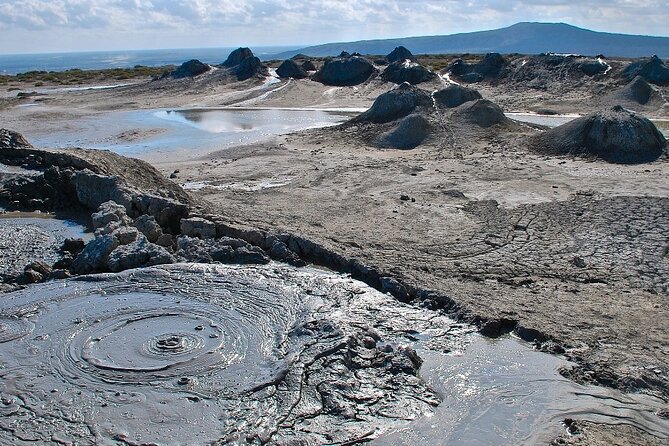
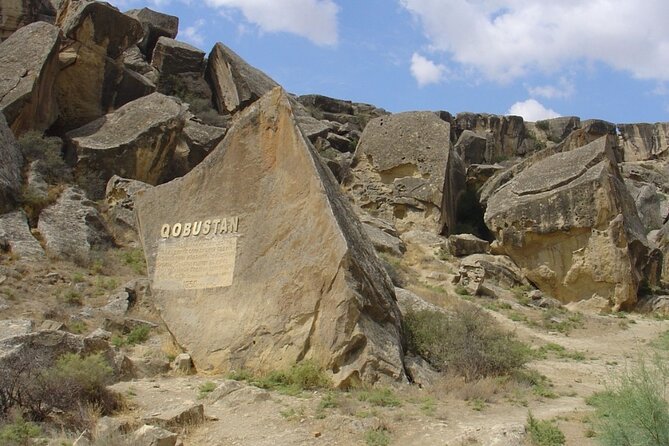
The mud volcano stop is likely to be the most unusual part of your morning. Gobustan has been an active mud volcano zone for centuries. Instead of throwing out molten rock, these formations push up cool mud and gases, leaving low cones, cracked ground, and bubbling pools.
The setting is spare and otherworldly. The open terrain can look almost lunar, with little shade and few visual distractions. A short trail leads toward the formations and gives you changing views of the cones and surrounding land.
The access road can be rough. One useful detail from the day’s operation is that old four-wheel-drive vehicles may take the group to the mud volcanoes. That ride can be fun, but it also tells you what to expect: this is not a polished attraction with smooth paths and elaborate visitor facilities.
You get about an hour here. Keep your expectations sensible. The volcanoes are fascinating because they are strange and natural, not because they form a grand monument. If you want a dramatic natural stop that feels very different from Baku, this is a strong choice. If you dislike uneven ground, rough transport, or exposed outdoor sites, it may be the least comfortable part of the day.
Gobustan’s petroglyphs and the story told in stone
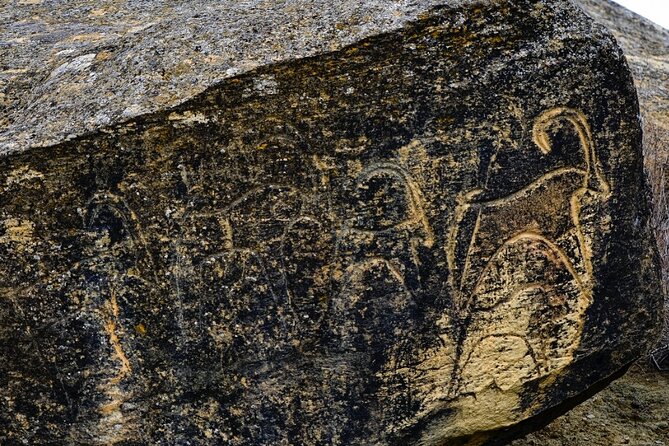
The rock art area gives the mud volcanoes a human counterpart. Here you walk through a prehistoric site filled with carvings and paintings on the rocks. The images are linked to hunting, animals, movement, ritual, and ordinary life.
Your guide’s explanation matters a great deal here. Without context, a petroglyph can look like a scratch in stone. With a good explanation, you begin to see how the markings reveal survival skills, social structure, and the pressures faced by early communities.
The planned visit lasts about an hour. Wear shoes you can walk in, since the experience includes trails rather than only a quick stop beside the vehicle. The site is not about grand buildings. Its appeal comes from being outdoors, close to the actual rock surfaces where people left their marks.
The tour also includes the Gobustan Rock Art Cultural Landscape and a modern museum. The museum helps set up the outdoor visit by showing how early people lived and by placing the carvings in a wider human story. The description uses the term Cro-Magnon for the early inhabitants connected with the site, but the practical value for you is simpler: the museum gives you a framework before you walk among the carvings.
Entrance to the open-air museum and related Gobustan attractions is not included in the base price. Ask your operator how much the current tickets cost, since that affects the true total.
More of the Absheron peninsula:
- Baku: Gobustan Absheron Tour Entry Tickets included
★ 4.9 · 329 reviews - Baku: Gobustan-Absheron Tour with Hotel PICK UP and DROP OFF
★ 4.8 · 170 reviews - Baku: Gobustan/Absheron guided tour with lunch and tickets
★ 4.8 · 158 reviews - Gobustan and Absheron peninsula ( Group or Private ) TOUR ( All inclusive )
★ 5.0 · 130 reviews
Lunch in Baku before the afternoon route
After Gobustan, the group returns to Baku for a three-course meal with tea at Baku Restaurant, described as a traditional Azerbaijani lunch in a park setting. This break divides the day neatly. You get a chance to sit down, eat local dishes, and regain energy before the Absheron stops.
A set meal is convenient on a route this long. You do not lose time searching for a restaurant, and you get at least a taste of national cuisine. A vegetarian option is available if you request it when booking.
There is one practical warning. The tour material conflicts on lunch. The itinerary says lunch is provided, while the included section says lunch is not included. One person also found the meal service slow. I would confirm two points before departure: whether the meal is covered by the $29 price and whether drinks beyond tea cost extra.
The lunch stop is listed as about an hour. If the restaurant is busy, a slow meal can affect the afternoon schedule, so keep that in mind if you have evening plans in Baku.
Ateshgah Fire Temple and the old caravanserai
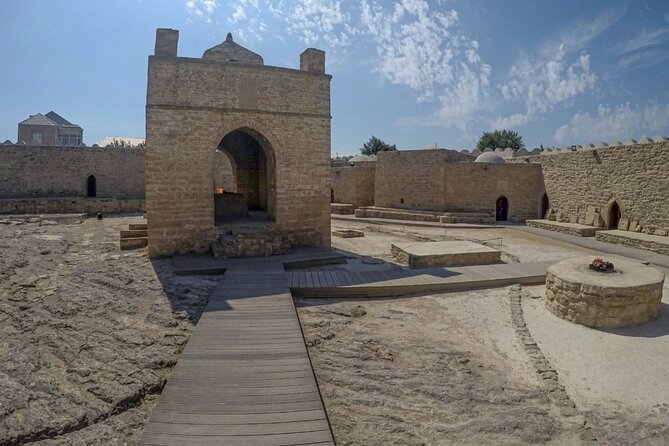
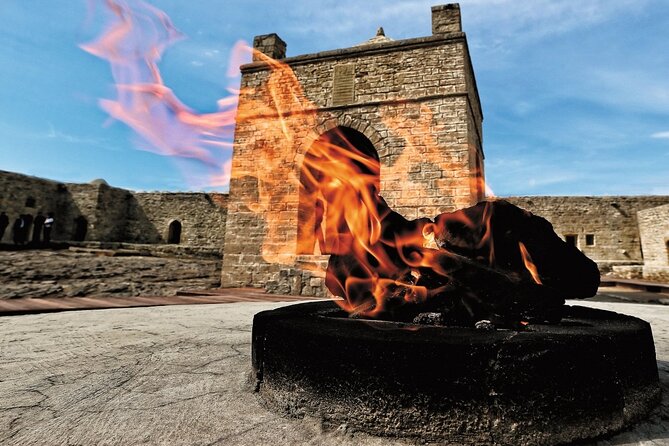
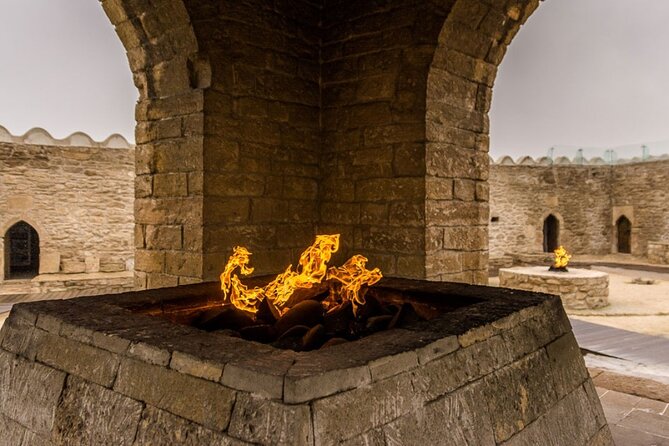
Ateshgah, or the Fire Temple, is the most important cultural stop on the Absheron portion. Natural gas once escaped through cracks in the ground across this region, producing flames that seemed to burn without fuel. Those fires helped give Azerbaijan its long-standing association with fire.
The temple reflects more than one tradition. Persian Zoroastrians and Hindu worshippers were drawn to the natural flames, and the site developed into a place of worship and lodging. The complex includes a caravanserai, where merchants could stop, rest, and continue along the trade routes crossing Absheron.
You get about 30 minutes here, so the visit is fairly brisk. A good guide can make that short period count by explaining the fire rituals, the rooms around the courtyard, and the role of merchants who passed through. The site is especially useful if you want more than scenic photographs. It shows how geology shaped religion and commerce in the same place.
The admission fee is extra. The description says Hindu Brahmanites and Persian Zoroastrians came to the area as early as the first century BC, but the precise details of the site’s buildings and later use are best taken from the guide and museum displays. Expect an interpretive stop, not a natural flame show.
Yanar Dag, the burning hillside
Yanar Dag means Burning Mountain, and the name is direct. Natural gas escaping from the hillside keeps flames burning at the site. The fire is the final major stop and gives the day a memorable ending.
The visit lasts about an hour. You can see the flames from the hillside and look over the surrounding area. The site has a simple visual power: fire comes straight from the ground, with no visible wood or fuel feeding it.
Yanar Dag is not a huge mountain or a vast wilderness area. The attraction is concentrated around the burning section, so your enjoyment depends on appreciating the oddity of the phenomenon rather than expecting a long hike. Wind and daylight can affect how the flames appear, but the tour gives you time to look, listen, and take photographs.
Ending here works well. Ateshgah explains how people responded to natural fire through worship and trade. Yanar Dag shows the physical phenomenon itself. Together, the two stops give the fire theme more meaning than either one would alone.
What the guide can add to the day
The route is fixed, but the quality of the day depends heavily on the guide. The strongest guiding examples connected with this experience include Nazpəri Həsənzadə, often called Naz, Nazef, Emir, and Mishfig. Guide assignments can change, so booking does not guarantee one particular person.
The best guides on this route do more than repeat dates. They connect the oil wells to Baku’s growth, explain what the petroglyphs reveal about early communities, and show how fire shaped religious life on Absheron. One guide has also been praised for adapting the amount and type of explanation to the group.
There is a real caution here. A guide can make a long day engaging, but poor pacing can sour it. A past departure was badly affected by a guide who rushed the group and used a flat, unpleasant delivery. That is not a reason to reject the whole route, but it is a reminder that small-group size alone does not guarantee a good experience.
Is $29 a good value?
At $29 per person, the tour is priced aggressively for a full day with air-conditioned transport and an English or Russian-speaking guide. You cover several sites that would be awkward to combine without a car, especially the mud volcanoes and the two fire-related stops.
The headline price is not the final number unless the ticket and lunch details are settled. The listed extra admissions include the open-air museum, Fire Temple, Yanar Dag, Natural History Exhibition, and Mud Volcanoes Complex. The price can still be good after those costs, but you should compare the complete amount rather than the advertised base fare.
Transport is where much of the value lies. You avoid arranging separate rides to remote sites, and the route is organized into one long circuit. If you have only a few days in Baku, that efficiency can matter more than a leisurely schedule.
The tour is best for first-time visitors who want the major Gobustan and Absheron sights in one day. It also suits people interested in archaeology, geology, fire worship, and oil. It is less suitable if you want a quiet day, dislike long drives, or prefer to control every stop yourself.
Small practical details that matter
The tour starts at 1 Azərbaycan Prospekti, Baku 1005, and ends back at the same meeting point. The start point is near public transportation, and confirmation is sent at booking.
Plan for outdoor exposure at the mud volcanoes, Gobustan, and Yanar Dag. The provided details do not specify weather protection, walking distance, or vehicle type for every section, so ask if you have mobility concerns or need a particular pickup arrangement.
Most people can participate, and a vegetarian lunch can be requested in advance. Since the day runs from morning into late afternoon or evening, avoid scheduling a tight dinner reservation, airport transfer, or show immediately afterward.
Free cancellation is available up to 24 hours before the start time. Changes or cancellations inside that window are not accepted for a refund, with cut-off times based on local time.
Should you book this Gobustan and Absheron tour?
I would book it if you want a high-value first look at Baku’s surroundings and are happy with a full, tightly organized day. The combination is hard to beat: mud volcanoes, rock art, oil history, a fire temple, Yanar Dag, and a local meal in one outing.
Before booking, confirm the lunch charge and the total admission cost. If those extras remain reasonable, the tour offers a practical way to see sites that are spread across the region.
Choose it with realistic expectations. Gobustan is not a polished theme park, and Yanar Dag is a focused attraction rather than a long mountain walk. The route succeeds through variety and context. With a strong guide such as Naz, Nazef, Emir, or Mishfig, it can become one of the most useful days you spend outside Baku. If your priority is a slow pace or private control, hire a car and guide instead.
FAQ
How long does the Gobustan-Absheron tour last?
The tour lasts approximately 9 to 11 hours. It begins in the morning and returns to the meeting point in Baku later in the day.
Where does the tour start and end?
It starts at 1 Azərbaycan Prospekti, Bakı 1005, Azerbaijan. The activity ends back at the same meeting point.
What transport is provided?
Air-conditioned transport is provided for the tour. Older four-wheel-drive vehicles may be used for the route to the mud volcanoes.
Is lunch included?
The tour information is inconsistent. The itinerary describes a three-course traditional Azerbaijani lunch with tea, but the included section says lunch is not included. Confirm this detail before booking.
Are entrance tickets included?
No. Tickets for the open-air museum, Fire Temple, Yanar Dag, Natural History Exhibition, and Mud Volcanoes Complex are listed as extra costs.
What languages does the guide speak?
Professional guide service is offered in English and Russian.
How large is the group?
The tour has a maximum of 18 people.
Can I request vegetarian food?
Yes. A vegetarian option is available, but you should advise the provider when booking.
What sights are included in the route?
The route includes the world’s first oil well, mud volcanoes, Gobustan rock art, the Gobustan museum and cultural site, lunch in Baku, Ateshgah Fire Temple, and Yanar Dag.
Can I cancel for a full refund?
Yes, if you cancel at least 24 hours before the experience start time. Cancellations or changes made less than 24 hours before the start are not accepted for a refund.
Just added around Baku
- Lunch included Qobustan, Mud Vulcano, Ateshgah Temple & Yanardag Fire Mountain★ 4.5 · 3 reviews
- Guba and Shahdag City Tour★ 5.0 · 3 reviews
- Baku’s Ancient Heart★ 5.0 · 3 reviews
- Baku: Secret Tour with Surprise Activity★ 5.0 · 3 reviews
- Baku: Old City Guided Walking Tour★ 4.6 · 3 reviews
- Majestic Journey to Qobustan and Absheron★ 4.5 · 3 reviews
- Lahij – village of masters★ 4.5 · 3 reviews
- Baku night tour★ 5.0 · 3 reviews
Gobustan & Mud Volcano Tours, compared.
Gobustan, Mud Volcano, Fire Mount, Temple Lunch Entry
Read our review →
BEST Gobustan, Volcanoes & Absheron Fire Tour (Group or Private)
Read our review →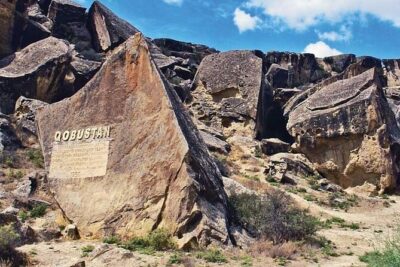
Gobustan, Volcanoes, Fire Temple and Yanardag Day Trip
Read our review →
Gobustan-Mud Volcan-Fire Temple and Mountain Tour/Entrance inc
Read our review →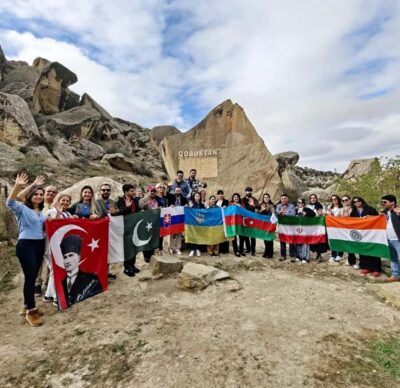
Gobustan Mud Volcanoes Temple & Entry tickets included
Read our review →
Gobustan-Absheron Tour with Hotel PICK UP and DROP OFF
Read our review →Browse the lists this tour appears in