
Reviewed · GOBUSTAN & MUD VOLCANO TOURS
Baku: Gobustan & Absheron Trip
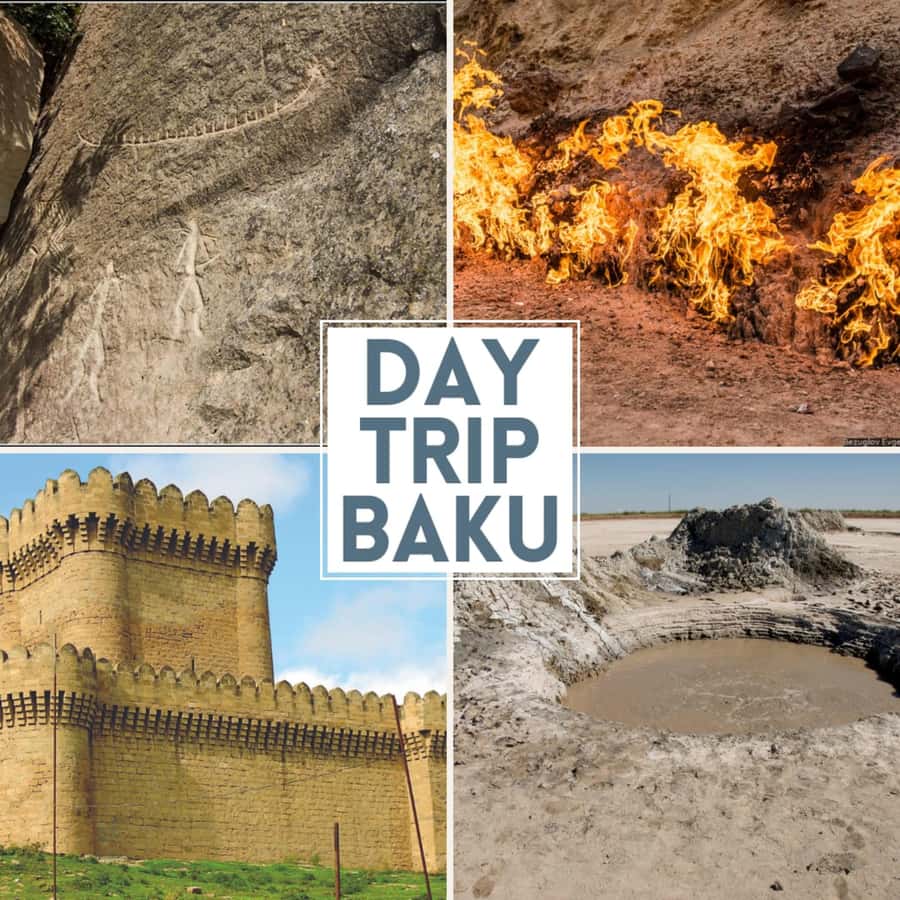
Azerbaijan’s most curious sights sit outside Baku: ancient rock carvings, bubbling mud volcanoes, and natural flames fed by gas beneath the Absheron Peninsula. This nine-hour trip links them in one long day, adding Bibiheybat Mosque, a medieval castle area, and the Ateshgah Fire Temple.
I like the way the route brings together two very different sides of Azerbaijan: the prehistoric world at Gobustan and the fire-worship traditions of Absheron. I also like the low $30 starting price, hotel pickup, and the chance to see remote sights without arranging several separate rides.
The main concern is pace. Most stops are short, and one poor experience involved a long wait to board the correct bus, a late lunch, and rushed museum visits. You will get broad coverage rather than slow, thoughtful time at every site.
Key points to know before booking
- Gobustan combines rock art and archaeology: You walk among caves and ancient carvings, then have time for the museum and views.
- The mud volcano stop uses a vintage car: The ride takes about 20 minutes and leads to one of Azerbaijan’s strangest natural sights.
- Fire is the theme of the second half: Yanar Dag and Ateshgah show how underground gas shaped local belief and culture.
- The $30 price is only the starting cost: Lunch and listed entrance tickets add to your final spend.
- Guiding can make or break the day: Sabuhi received particular praise for being engaging, polite, and informative.
- Expect a full day on the road: The schedule includes long transfers, short visits, and a one-hour meal break.
Why Gobustan and Absheron belong on the same day
This tour works because the two areas tell different parts of Azerbaijan’s story. Gobustan takes you back to prehistoric communities, while Absheron explains why fire became such a powerful religious symbol in the region.
I find that contrast more useful than visiting a series of unrelated photo stops. You begin with people recording animals, hunting, and daily life on stone. Later, you see flames rising from the ground and learn how fire-worship, Zoroastrian ideas, and Hindu traditions met at Ateshgah.
The route also solves a practical problem. Gobustan, the mud volcanoes, Yanar Dag, and Ateshgah are spread well beyond central Baku. At $30 per person, the trip offers a relatively inexpensive way to connect them, though you must add entrance fees and pay for your own meal.
The nine-hour length deserves attention. This is not a relaxed countryside outing. It is a packed sightseeing day, with bus rides of up to 80 minutes between major stops. I would choose it if you want to see a lot in one day, but not if you prefer long museum visits or unhurried meals.
More Gobustan and mud volcano runs:
- Baku: Gobustan, Mud Volcano, Fire Mount, Temple Lunch Entry
★ 4.9 · 3,246 reviews - BEST Gobustan, Volcanoes & Absheron Fire Tour (Group or Private)
★ 5.0 · 1,254 reviews - Gobustan and Absheron tour (All inclusive)
★ 5.0 · 1,014 reviews
Bibiheybat Mosque begins the morning
The first visit is Bibiheybat Mosque, reached after roughly 10 minutes by vehicle from the pickup area. You get about 20 minutes for a guided visit, sightseeing, and photographs.
The mosque is important for religious as well as architectural reasons. Its shrine is associated with relatives of the Prophet Muhammad, and the site remains one of the major Islamic places connected with Baku.
Because this stop is short, think of it as an introduction rather than a full architectural study. You will have time to see the setting and hear the main story, but you may not have much freedom to linger.
Bring a headscarf if you need one for religious-site etiquette. Comfortable clothing is sensible throughout the day, since several later stops involve walking outdoors.
Gobustan reveals Azerbaijan’s prehistoric record
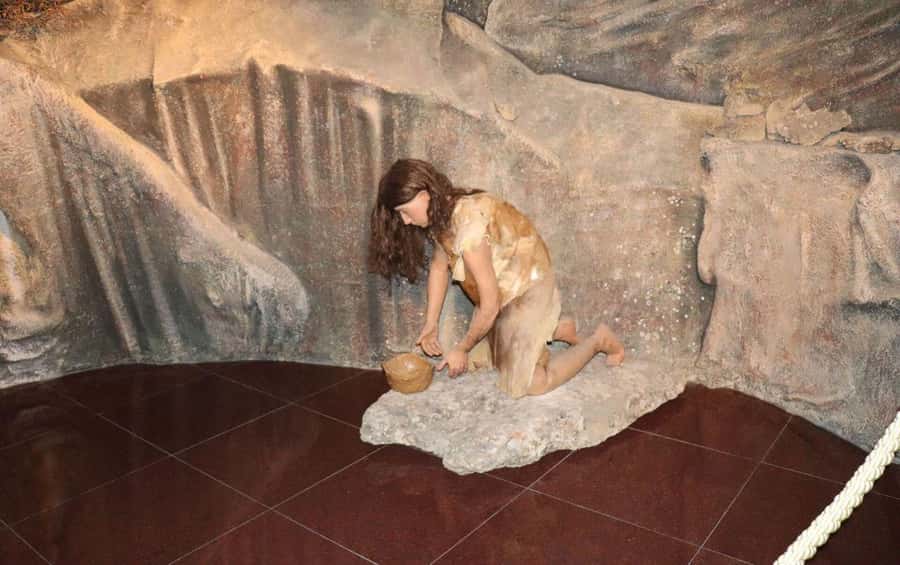
After about 50 minutes on the road, you reach Qobustan, also spelled Gobustan. The visit lasts around 80 minutes and includes a guided walk, free time, scenic views, and access to the area connected with the State Historical and Artistic Reserve.
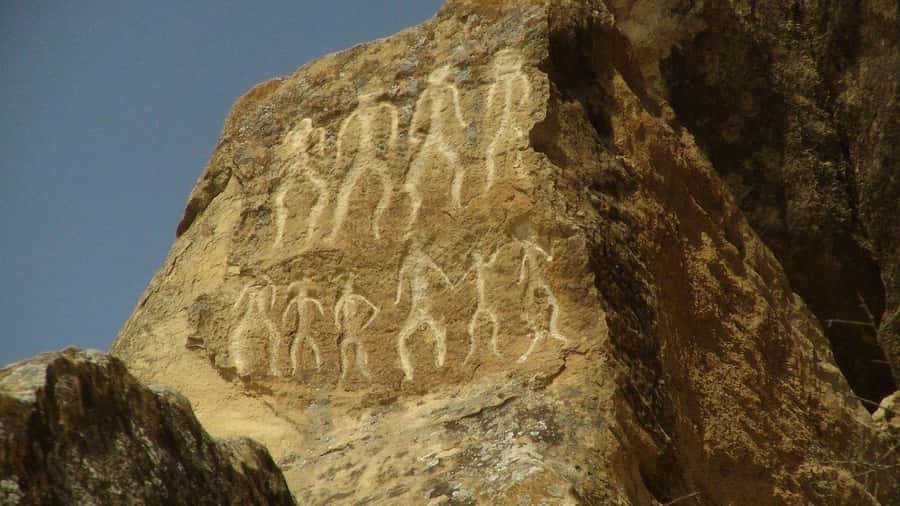
This is the most substantial cultural stop of the day. The reserve is one of Azerbaijan’s UNESCO-protected places, receiving that status in 2007. Its caves and rock surfaces preserve images made by primitive communities, offering a direct look at how people represented animals, movement, and daily life long before written records.
I like this stop because the evidence is physical and easy to grasp. You are not only hearing dates and names. You can look at the carvings, walk through the cave areas, and consider how food was prepared and how people lived in a much harsher setting.
The Gobustan visit also includes a museum component, with an entrance fee of 10 AZN. The museum helps explain the rock art and ancient tools, but the time limit matters. One account of this trip described moving through museums too quickly to read properly, so I would focus on the guide’s explanation first and inspect displays during any free time.
Wear shoes with a good grip. The tour specifically recommends comfortable footwear, and this is the part of the day where you are most likely to walk over uneven ground.
A vintage car ride to Azerbaijan’s mud volcanoes
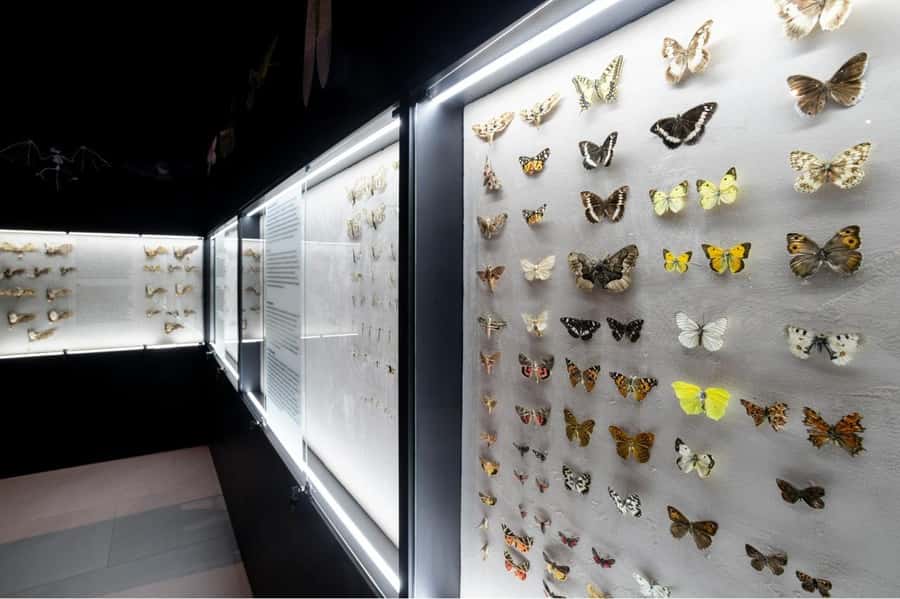
From Gobustan, a vintage car takes you toward the mud volcano area for about 20 minutes. You get roughly 20 minutes at the site for photographs and free time.
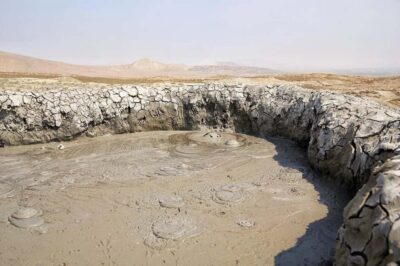
Azerbaijan is famous for its mud volcanoes. The country is said to have 354 of the world’s roughly 800 mud volcanoes, making up about 40 percent of the global total. The gray cones and bubbling pools look nothing like the usual picture of a volcano. There is no molten rock here. Instead, mud and gases push upward from below.
That oddness is the appeal. I would not expect a long nature walk or a polished national-park visit. This is a short stop to see an unusual geological feature, take photographs, and hear about the mud’s reported uses for skin, joints, and bones.
The tour lists a separate 15 AZN entrance fee for the Mud Volcanoes Tourism Complex. Check the final cost before booking, since the advertised $30 does not cover this charge.
The vintage car transfer adds character, but it is also a reminder that conditions can feel basic. Keep your belongings secure and avoid wearing shoes or clothing you do not want exposed to dust or mud.
More of the Absheron peninsula:
- Baku: Gobustan Absheron Tour Entry Tickets included
★ 4.9 · 329 reviews - Baku: Gobustan-Absheron Tour with Hotel PICK UP and DROP OFF
★ 4.8 · 170 reviews - Baku: Gobustan/Absheron guided tour with lunch and tickets
★ 4.8 · 158 reviews - Gobustan and Absheron peninsula ( Group or Private ) TOUR ( All inclusive )
★ 5.0 · 130 reviews
The long transfer and one-hour lunch break
After the volcanoes, the route includes an approximately 80-minute bus ride. A one-hour meal break follows at a local restaurant, where you choose and pay for your own food from the menu.
This is the point where the schedule can either feel sensible or frustrating. A full day outside Baku needs a meal break, and one hour gives you a clear chance to eat and rest. But the timing may not suit an early start. One poor account described lunch arriving as late as 3:30 p.m., with service taking more than an hour.
I would bring a small breakfast or snack, even though lunch is included in the schedule as a break. That is especially useful if you are traveling with children or know you do not eat well late in the afternoon.
The meal is not included in the $30 price. Treat the break as practical rather than a featured food experience. The real value of the day comes from the sites and transport, not from a planned culinary stop.
Yanar Dag, where the ground burns
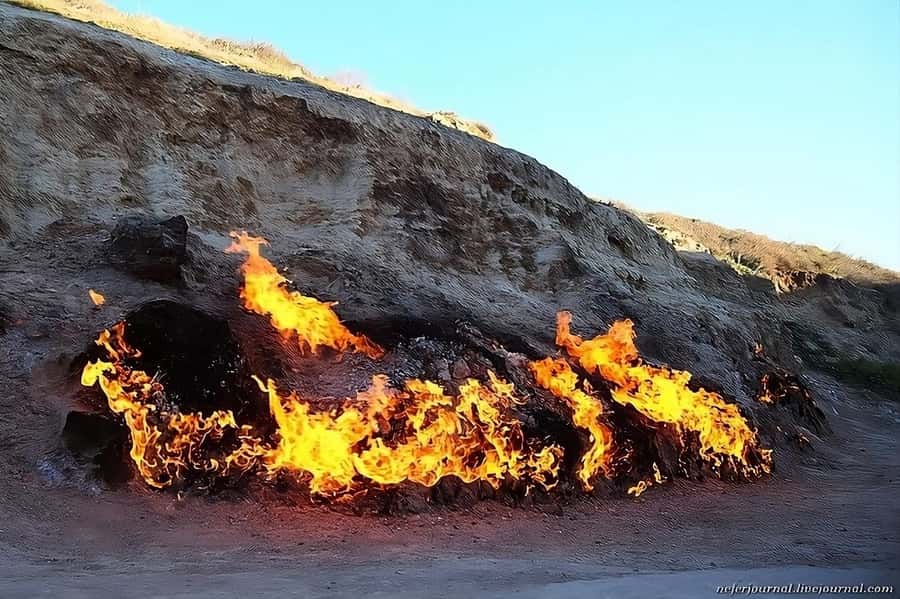
The next major sight is Yanar Dag, or Fire Mountain. The ride from the restaurant takes about 30 minutes, followed by a visit of roughly 25 minutes.
Natural gas escapes from the ground here and keeps flames burning at the surface. The fire is the sort of sight that can seem almost staged until you remember that the fuel comes from underground. It helps explain why fire gained such a strong place in the beliefs and stories of the Absheron Peninsula.
The tour connects these flames with old written accounts, including references linked to Attila the Hun and Marco Polo. It also presents the sacred hearth as thousands of years old, with scientists dating its age to around 4,000 to 5,000 years.
You get a guided explanation, photographs, and some free time, but 25 minutes is not long. I would listen closely at the start, then use the remaining minutes for photographs and a quick look around.
Yanar Dag comes with a listed combined cost of 15 AZN for Fire Temple and Burning Mountain tickets. Confirm how the operator handles this payment, since the included and excluded sections make clear that these entrance fees are extra.
The Absheron stop adds a medieval note
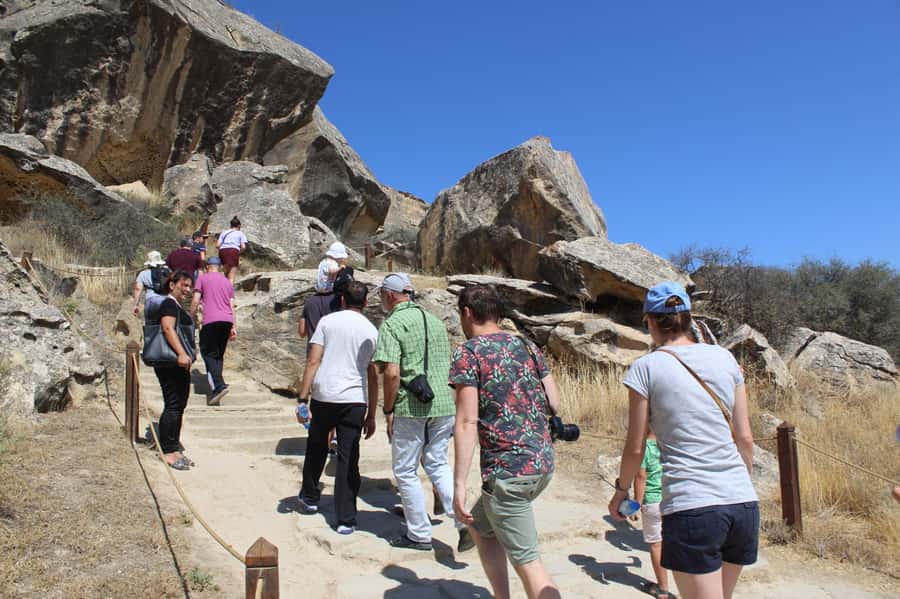
The itinerary then moves to another site on the Absheron Peninsula, with about 20 minutes for a guided visit, walking, photographs, and views. The description connects this part of the day with a castle that has kept its original medieval strength.
The short stop gives the route another layer. After prehistoric carvings, mud volcanoes, and natural fire, you see evidence of the defensive world that came later. The castle setting helps you picture Absheron as a place shaped not only by religion and geology, but also by fortified settlements.
Do not expect an extended castle tour at this pace. You will get the main explanation and time for photographs, then move on. If medieval architecture is your chief interest, this stop may feel too brief. If you enjoy variety, it breaks up the fire-themed visits nicely.
Ateshgah explains the sacred fire tradition
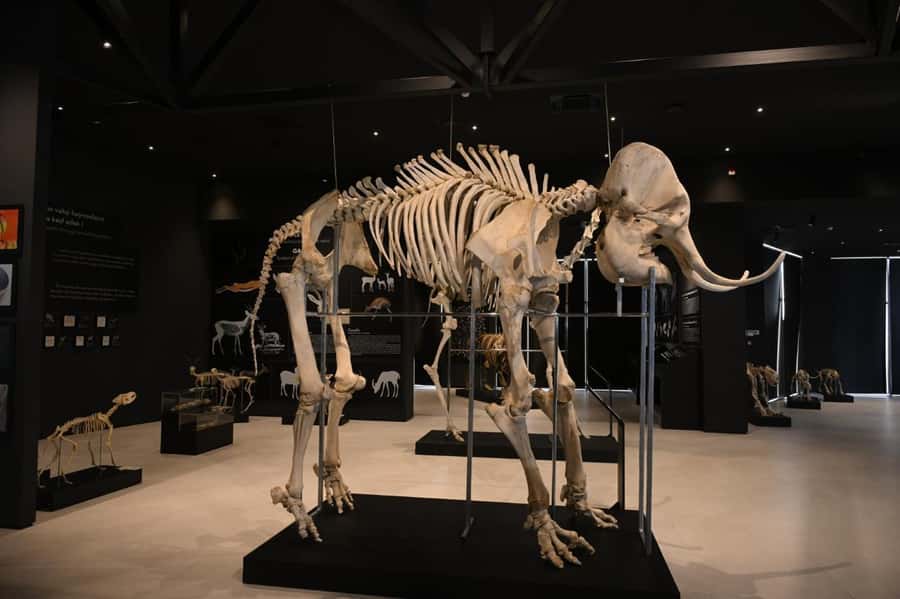
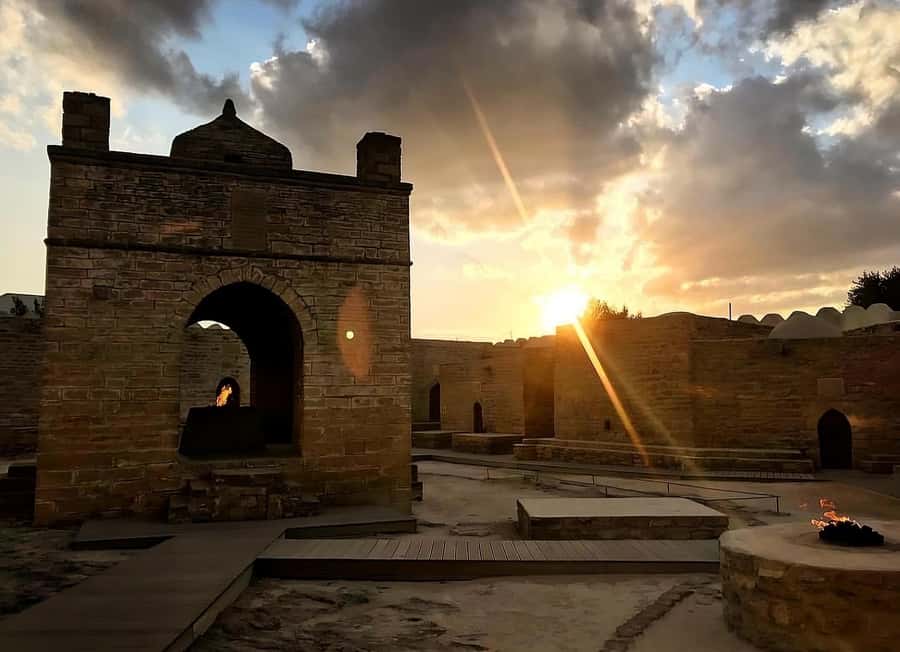
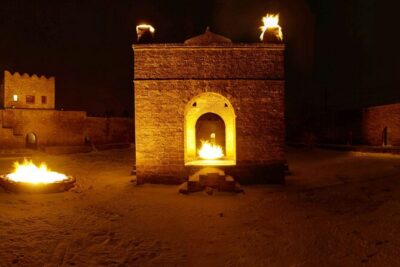
The final major visit is Ateshgah of Baku, reached after a short 10-minute transfer. You have about 50 minutes for the temple, guided commentary, photographs, and free time.
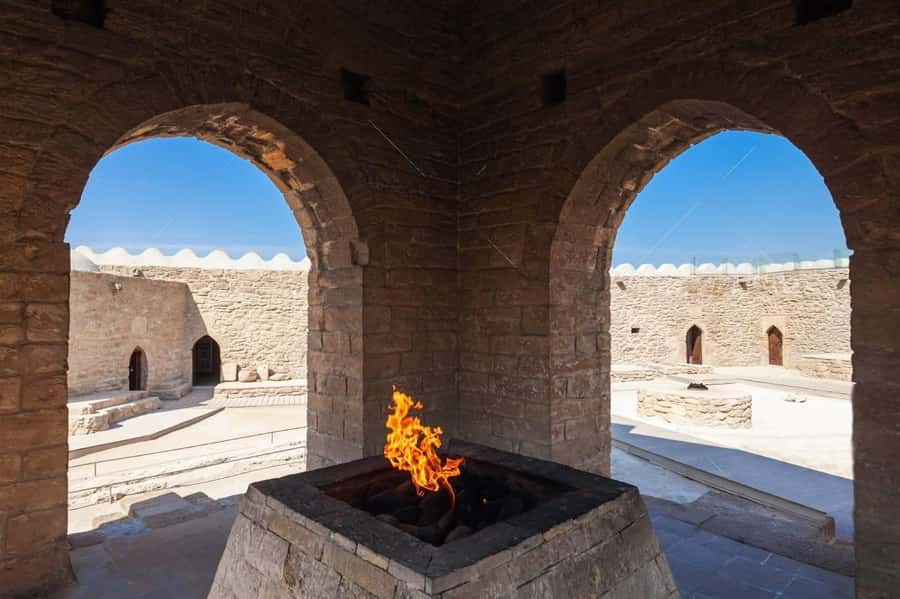
Ateshgah is the best place to connect the day’s natural phenomena with human belief. The site is associated with fire-worship, Zoroastrianism, and Hindu traditions. The common thread is reverence for fire, although each tradition has its own teachings and practices.
The temple is not simply a place where flames happen to appear. It shows how a natural resource could shape a religious site and draw worshippers from different cultural backgrounds. The tour’s explanation of those three traditions is one of its more useful elements, especially if you have little prior knowledge of Azerbaijan’s pre-Islamic past.
The 50-minute visit is longer than the stops at Yanar Dag and the castle, which gives you a better chance to look around. Bring a headscarf as requested in the practical information, and dress comfortably for walking around the site.
After Ateshgah, the tour finishes at the Double Gates of Baku’s Old City, known as Qoşa Qala Qapısı. The listed route does not return you to every hotel, so confirm your drop-off arrangements if you are staying outside the central pickup area.
What the guide and transport mean for your day
A professional guide and transport are included, with English, Russian, and Turkish offered. Hotel pickup is available for hotels outside the Old City or Nizami Street when they are within roughly 6 to 7 kilometers of the city center. The stated meeting point is the Double Gates of the Old City.
Guiding is especially important here because the value lies in connections. Without context, Gobustan can look like a collection of faded marks, and Ateshgah can seem like a courtyard with old walls. A clear guide links the sites into a story about people, fire, faith, and the ground beneath Azerbaijan.
Sabuhi is one guide name worth noting. I would look for that guide when possible, since the available feedback describes Sabuhi as entertaining, polite, helpful, and interested in sharing information. Other accounts also praise the guide service and organization, so the guiding is generally a strong part of the experience.
Still, the tour may not operate with the same rhythm every day. One very negative account described a 75-minute delay while people tried to board the correct bus, rushed museum visits, repeated instructions to keep up, and unsafe phone use by the driver. That is a serious complaint, not a minor quibble.
I would keep expectations realistic. A shared coach trip at this price can involve group coordination and waiting. If safety or organization seems poor at pickup, raise the issue promptly with the tour staff rather than silently accepting it.
The real cost and who gets good value
The advertised price is $30 per person. That is attractive for a nine-hour outing with hotel pickup, a guide, and transport across several distant areas of Baku and Absheron.
Your actual budget needs to include lunch, 10 AZN for the Gobustan Museum, 15 AZN for the Mud Volcanoes Tourism Complex, and 15 AZN for the Fire Temple and Burning Mountain. Those listed extras add 40 AZN, before food and any sweets-shop purchase.
The included discount card applies at a sweets shop. I would treat that as a small bonus rather than a reason to choose the tour.
This trip suits you best if you have one full day in Baku and want a broad introduction to the region beyond the city center. It is also useful for first-time visitors who do not want to arrange separate transport to Gobustan and Absheron.
I would think twice if you have heart problems, haemophilia, or are over 70, since the activity is marked as unsuitable for those groups. Babies under one year and people over 95 are also listed as unsuitable. The tour is marked wheelchair accessible, but the outdoor walking and short stop times are still worth discussing with the operator before booking.
The practical packing list is simple: comfortable shoes, comfortable clothes, a credit card, a flashlight, and a headscarf. Pets, smoking in the vehicle, non-folding strollers, alcohol, drugs, strong fragrances, and speakers are not allowed.
Should you book the Gobustan and Absheron trip?
I would book it if you want maximum coverage for a modest price and can handle a long, active day. Gobustan’s rock art, the mud volcanoes, Yanar Dag, and Ateshgah are unusual sights that are difficult to combine on your own without spending more time and money.
I would not book it expecting a slow archaeological tour, a carefully timed lunch, or long reading time in every museum. Ask about the pickup process, extra entrance fees, lunch timing, and the day’s guide if those details matter to you.
The strongest choice is to treat this as a sampler of Azerbaijan’s outer districts. You will see a lot, learn how prehistoric life and fire worship shaped the region, and return with a better sense of what deserves a second visit.
FAQ
How long does the Gobustan and Absheron tour last?
The tour lasts nine hours, including transport between Baku, Gobustan, the mud volcanoes, Yanar Dag, Absheron, and Ateshgah.
What is included in the price?
The $30 price includes a professional guide, comfortable transportation, hotel pickup within the stated central Baku area, and a discount card for a sweets shop.
Are entrance tickets included?
No. Gobustan Museum costs 10 AZN, the Mud Volcanoes Tourism Complex costs 15 AZN, and the Fire Temple and Burning Mountain tickets cost 15 AZN, according to the provided details.
Is lunch included?
Lunch is not included. The schedule allows one hour at a local restaurant, and you pay for your own food from the menu.
Which languages are available?
Guides are available in English, Russian, and Turkish.
Where does the tour finish?
The tour finishes at Qoşa Qala Qapısı, the Double Gates of Baku’s Old City.
Can I cancel the booking?
You can cancel up to 24 hours before the activity for a full refund. The reserve-now-and-pay-later option lets you book without paying immediately.
Just added around Baku
- Guba and Shahdag City Tour★ 5.0 · 3 reviews
- Lunch included Qobustan, Mud Vulcano, Ateshgah Temple & Yanardag Fire Mountain★ 4.5 · 3 reviews
- Baku’s Ancient Heart★ 5.0 · 3 reviews
- Baku: Secret Tour with Surprise Activity★ 5.0 · 3 reviews
- Baku: Old City Guided Walking Tour★ 4.6 · 3 reviews
- Majestic Journey to Qobustan and Absheron★ 4.5 · 3 reviews
- Lahij – village of masters★ 4.5 · 3 reviews
- Baku night tour★ 5.0 · 3 reviews
Gobustan & Mud Volcano Tours, compared.
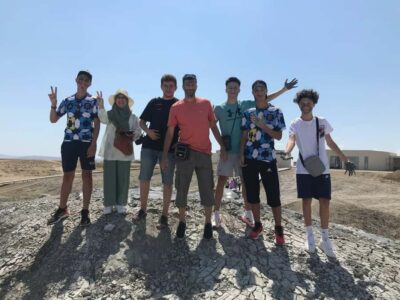
Gobustan, Mud Volcano, Fire Mount, Temple Lunch Entry
Read our review →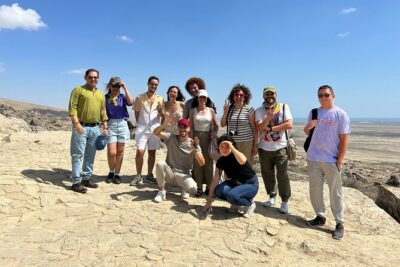
BEST Gobustan, Volcanoes & Absheron Fire Tour (Group or Private)
Read our review →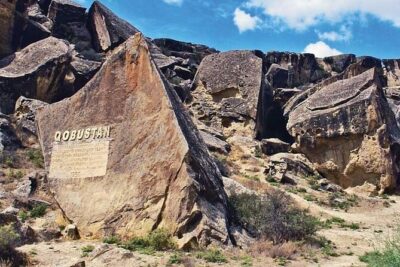
Gobustan, Volcanoes, Fire Temple and Yanardag Day Trip
Read our review →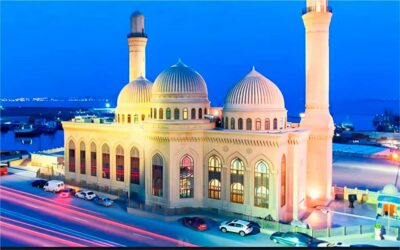
Gobustan-Mud Volcan-Fire Temple and Mountain Tour/Entrance inc
Read our review →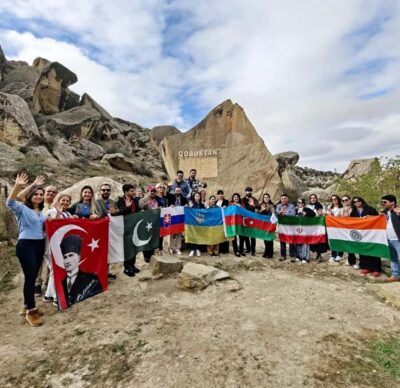
Gobustan Mud Volcanoes Temple & Entry tickets included
Read our review →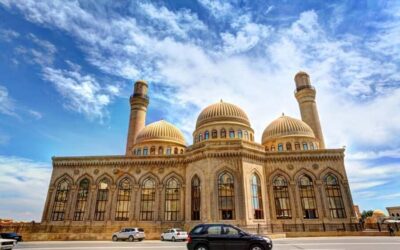
Gobustan-Absheron Tour with Hotel PICK UP and DROP OFF
Read our review →Browse the lists this tour appears in