
Reviewed · GOBUSTAN & MUD VOLCANO TOURS
Gobustan and Fire temple Tour with Polish speaking guide
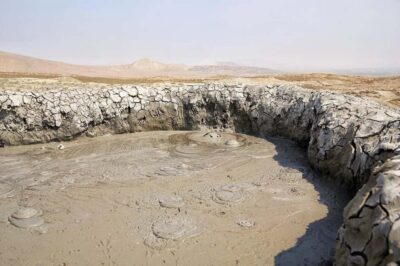
Gobustan’s bubbling mud volcanoes are the tour’s strangest sight: gray cones ooze and pop across a stark stretch of earth, while nearby rock carvings record human life thousands of years ago. I like the pairing of unusual geology and ancient art, and I also like that the route adds Bibiheybat Mosque and Azerbaijan’s oil story instead of stopping after Gobustan.
The main thing to consider is cost at the entrance gates. The advertised $65 covers transport, a Polish-speaking guide, pickup, drop-off, and water, but entry tickets are extra unless you choose the ticket-inclusive option. If you visit all the listed paid sites, budget 30 AZN for tickets.
Key things to know before you book
- Mud volcanoes and petroglyphs share one outing: You get two very different views of Gobustan, from bubbling ground to carvings made by early settlers.
- Bibiheybat Mosque adds a cultural stop: Its architecture gives the day a calmer, more beautiful pause between outdoor sites.
- Azerbaijan’s oil story is part of the route: You stop at the site of the world’s first drilled oil well.
- Ateshgah and Yanardagh are separate fire experiences: One is a historic temple linked with Zoroastrians, Hindus, and Sikhs; the other is a natural gas fire on a hillside.
- The guide speaks Polish: Commentary in your language can make the history and local context much easier to follow.
- The final Heydar Aliyev Center stop is for photos: Due to time limits, groups do not enter the building.
Why Gobustan makes such a strong first stop
From Baku, the tour heads toward Gobustan, a region known for both unusual ground activity and ancient rock art. The two attractions work well together. One shows Azerbaijan as a place of active natural forces; the other shows how long people have lived and worked here.
The mud volcanoes are not the familiar red cones you may picture from a classic volcanic region. These formations bubble and ooze mud, producing a strange, almost otherworldly setting. The sight is less about a dramatic eruption and more about watching the earth quietly release gas and wet clay.
I like this stop because it feels different from a standard city excursion. You are not looking at a monument built by people. You are seeing a natural process that shapes the ground in slow, messy, unpredictable ways.
The visit is also a practical reminder to wear shoes you do not mind using outdoors. The tour description does not specify the exact walking conditions, so you should be ready for an open-air visit rather than a polished museum setting. Bring sun protection if the weather calls for it, and keep the supplied bottle of water handy.
The mud volcanoes are paired with Gobustan Rock Arts, where you can see petroglyphs made thousands of years ago. These carvings offer a direct glimpse into the lives of early human settlers. Rather than hearing only dates and names, you can look at images cut into stone and consider what people chose to record.
The rock art gives the Gobustan visit its human meaning. The mud volcanoes are memorable because they are odd. The carvings are memorable because they connect you with people who lived in the same broad region long before modern Azerbaijan existed.
More Gobustan and mud volcano runs:
- Baku: Gobustan, Mud Volcano, Fire Mount, Temple Lunch Entry
★ 4.9 · 3,246 reviews - BEST Gobustan, Volcanoes & Absheron Fire Tour (Group or Private)
★ 5.0 · 1,254 reviews - Gobustan and Absheron tour (All inclusive)
★ 5.0 · 1,014 reviews
Bibiheybat Mosque brings a quieter change of pace
The route continues to Bibiheybat Mosque, one of the day’s most graceful stops. Its architectural beauty makes a useful contrast with the rough scenery around Gobustan and the industrial story of the oil well.
You can expect time to admire the building and hear about its place in Azerbaijan’s local culture. The tour information does not provide a detailed schedule for the mosque, so think of it as an important sightseeing stop rather than a long architectural study.
I like having this visit in the middle of the day because it gives the tour more range. Gobustan focuses on early settlement and natural forces. Bibiheybat shifts the focus to religious design, worship, and the visual traditions of Azerbaijan.
Dress respectfully for a mosque visit. The supplied details do not list a specific dress code, but modest clothing is a sensible choice at a religious site. The guide can explain the mosque’s significance and help place the building within the wider story of Baku and Absheron.
The first drilled oil well explains modern Azerbaijan
One of the more unusual stops is the site identified as the world’s first drilled oil well. It is easy to think of Azerbaijan only in terms of old temples and ancient carvings, but oil shaped the country’s modern economy and Baku’s growth.
This stop matters because it links the scenery around Absheron to a much larger industrial story. The tour gives you a chance to learn how oil production became central to the area. You are not simply passing through a historic site. You are seeing a place connected with a major change in the way energy was produced.
The visit is likely most valuable if you enjoy context. The well itself may not provide the same visual drama as a temple or a burning hillside. Its importance comes from what it represents, and the Polish-speaking guide’s commentary is especially useful here.
The supplied information does not describe exhibits, a museum interior, or a long guided presentation at the well. Keep your expectations focused on a stop with historical meaning and an explanation of its role in the oil industry.
Ateshgah Fire Temple and its many traditions
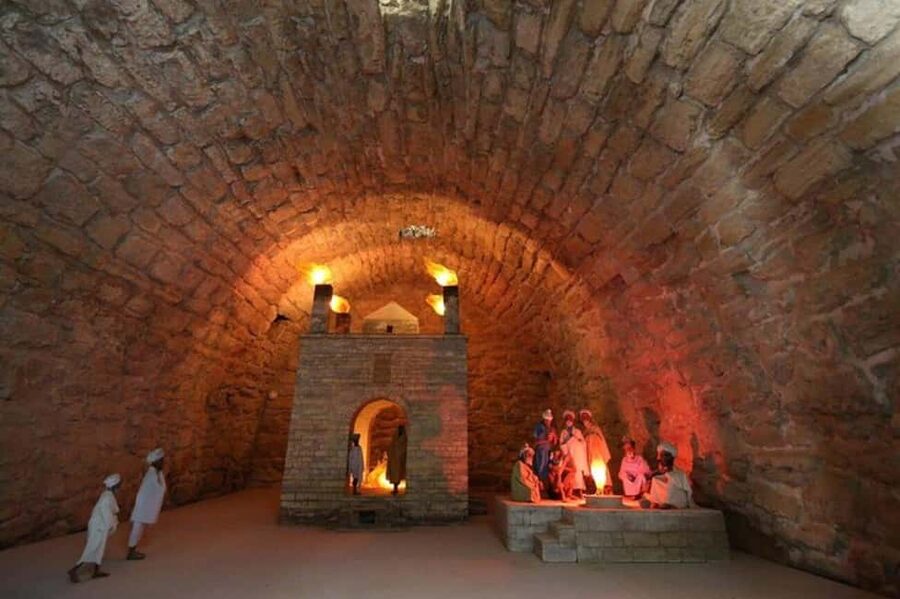
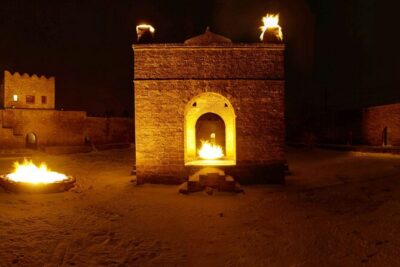
The Ateshgah Fire Temple of Baku is one of the day’s central cultural sights. It is associated with Zoroastrians, Hindus, and Sikhs, and it is known for natural gas-fueled eternal flames.
That combination gives the site a distinctive character. Ateshgah is not only an old building, and it is not only a flame. It brings together architecture, religious practice, and the natural gas beneath the Absheron Peninsula.
The fire is the feature you will notice first, but the temple’s broader significance is what makes the stop worthwhile. Your guide can explain how different religious communities used the site and why naturally burning gas was seen as spiritually important.
Entry to Ateshgah is not included in the basic tour price. The published extra cost groups Ateshgah with Yanardagh, with 15 AZN allocated to both sites together, while the full Gobustan portion is another 15 AZN. Confirm the ticket option when booking so you know exactly what is covered.
The temple is also a good place to slow down and look carefully. Notice the way the central fire area relates to the surrounding structure, and give yourself time to absorb the contrast between the enclosed temple and the open fire at Yanardagh later in the route.
More fire temple and burning mountain trips:
- Baku: Gobustan, Volcanoes, Fire Temple and Yanardag Day Trip
★ 4.7 · 433 reviews - Gobustan & Mud, Fire Temple, Burning Mountain (Group & Private)
★ 4.5 · 418 reviews - Gobustan-Mud Volcan-Fire Temple and Mountain Tour/Entrance inc
★ 5.0 · 267 reviews - Gobustan, Mud volcanoes, Fire temple, Fire mountain PRIVATE TOUR
★ 5.0 · 47 reviews
Yanardagh is the simplest and most dramatic fire sight
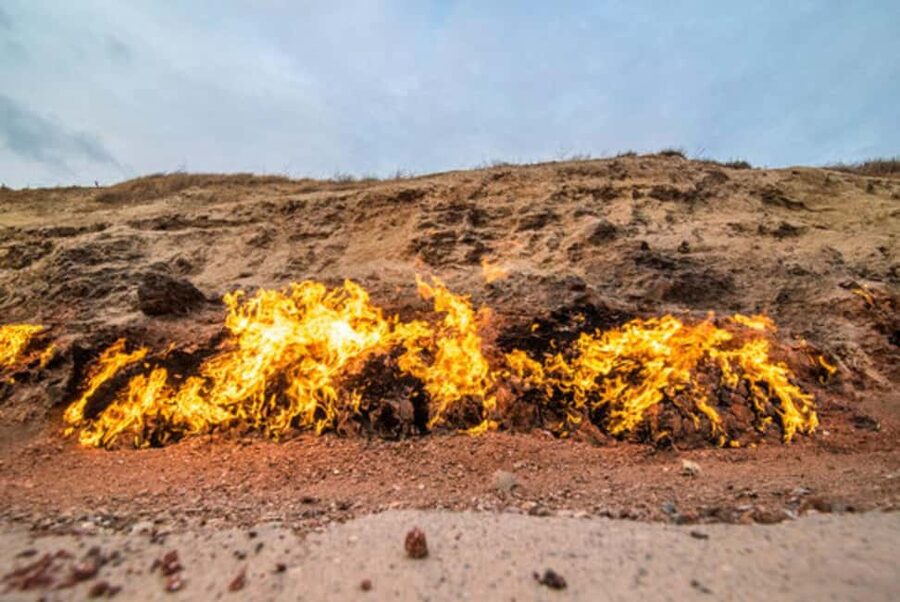
At Yanardagh, or Burning Mountain, natural gas burns continuously on a hillside. The sight is direct and easy to understand: a fire remains alight on the slope, creating a striking image that has fascinated people for centuries.
Yanardagh works well after Ateshgah because the two locations show different responses to the same basic resource. Ateshgah gives natural fire a religious and architectural setting. Yanardagh presents it in a raw outdoor form.
You should not expect a huge mountain covered in flames. The attraction is the fact that fire burns on a hillside because of gas rising through the ground. Its scale and intensity can vary, and the tour details do not promise any particular weather or viewing conditions.
This stop is usually more about a short visual experience than a long walk or a full museum visit. That makes it a useful final site before the return toward Baku, especially after the more interpretive stops earlier in the day.
The Heydar Aliyev Center is a photo stop, not an interior visit
The Heydar Aliyev Center is the last point on the route. Groups visit it for sightseeing and photographs, but they do not enter the building because of time limits.
That distinction is important. If you want to see an exhibition inside the center, this tour will not provide that experience. You will have an opportunity to view the building from outside and take pictures of its distinctive modern form.
I like the contrast here. The day begins with mud volcanoes and ancient carvings, then moves through religious architecture, oil history, and natural gas fires before ending with one of Baku’s best-known modern buildings. The final stop makes the route feel like a quick tour through several eras of Azerbaijan.
What the $65 price really covers
At $65 per person, the tour’s value comes mainly from convenience and coverage. You get hotel pickup and drop-off, roundtrip transportation, a Polish-speaking guide, and a bottle of water. That removes the need to arrange separate transport to several sites spread around Gobustan and Absheron.
The route includes enough different attractions to justify the price for someone who wants a broad introduction rather than a single focused visit. In one day, you see nature, ancient art, religious architecture, oil heritage, sacred fire, and modern Baku.
The extra ticket charge is the part you need to plan for. If you do not select an option with tickets included, the stated total for Gobustan Rock Arts and mud volcanoes, Ateshgah, and Yanardagh is 30 AZN. Bibiheybat Mosque and the Heydar Aliyev Center photo stop are not listed with an extra ticket cost in the supplied information.
I would compare the final price with the cost and effort of arranging a car, driver, and guide for the same route. The tour makes the most sense if you want several distant sites in one organized day and prefer to hear explanations in Polish.
Transport, pickup, and the pace of the day
Pickup is available from your hotel or a central location in Baku, followed by comfortable transportation to the sites and return service. That matters because the route covers more than one part of the region, and independent taxi planning could become tiring and complicated.
The exact tour duration, group size, and vehicle type are not provided, so I would ask those questions before booking if they matter to you. The time limits are clear at the Heydar Aliyev Center, where the group does not go indoors, but the information does not give a full minute-by-minute schedule.
A multi-stop tour always requires some flexibility. You will see many places, but you should not expect unlimited time at each one. The benefit is range. The tradeoff is that visitors who want long, quiet visits at Gobustan or Ateshgah may prefer a private or more specialized arrangement.
The included water is a small but useful touch. Gobustan and the fire sites are outdoor attractions, and having a bottle ready means one less thing to arrange during the day.
Why the Polish-speaking guide matters
The guide is listed as multilingual, with Polish available for this experience. That is a major reason to choose this particular version of the tour if you are most comfortable learning in Polish.
Good guiding matters here because several stops need explanation. The mud volcanoes are easy to see but more interesting when you understand what causes them. The petroglyphs need context. The oil well needs a clear explanation of its place in industrial history. Ateshgah requires care because several religious traditions are connected with the site.
The guide also helps connect the stops into one story. Without that link, the tour could feel like a series of unrelated attractions. With clear commentary, you can follow the shift from early human settlement to religious practice, energy production, and modern architecture.
No individual guide name is provided, so you should not book expecting a particular person. The important practical point is the language: Polish commentary is part of the experience.
Who should book this experience
I would recommend this tour to you if you want to see the major Gobustan and Absheron sights without arranging several separate transfers. It suits first-time visitors to Baku who want a wide survey of the area in one outing.
It is also a good match if you enjoy variety. You will move from natural formations to rock art, a mosque, an oil site, a fire temple, a burning hillside, and a modern architectural landmark. Few stops are alike.
The tour may suit families and mixed-interest groups because the day does not depend on one subject. Someone interested in geology can focus on the mud volcanoes. A history fan can concentrate on the petroglyphs and oil well. Architecture lovers get Bibiheybat Mosque and the Heydar Aliyev Center.
You may want a different format if you require a slow pace, an extended museum visit, or a detailed interior tour of the Heydar Aliyev Center. You should also ask about group size and total duration if those details affect your decision.
Booking is flexible in two useful ways. You can reserve now and pay later, and cancellation is allowed up to 24 hours before departure for a full refund. Those terms are helpful if your Baku plans are not fixed.
My verdict: a wide-ranging day with one clear extra cost
This is a strong choice for a first look at Gobustan and Absheron. I like the way it combines the bizarre mud volcanoes with ancient rock art, then adds religious buildings, oil history, sacred fire, and modern Baku.
The main caution is simple: the $65 price does not automatically include every entrance ticket. Add the stated 30 AZN if you are using the basic option, and check the ticket selection before you pay.
Book it if you value easy transport, Polish-language guiding, and a broad route over long visits at just one or two sites. Skip it if you want to explore Gobustan slowly or enter the Heydar Aliyev Center. For most visitors seeking a practical introduction to the region beyond central Baku, the variety makes this a sensible day out.
FAQ
Where does the tour take place?
The tour begins in Baku and visits attractions in Gobustan and Absheron, Azerbaijan.
Is hotel pickup included?
Yes. Hotel pickup and drop-off are included, with pickup also available from a central location.
What language does the guide speak?
The experience is offered with a Polish-speaking guide. The included tour information also describes the guide service as multilingual.
What is included in the $65 price?
The price includes hotel pickup and drop-off, roundtrip transportation, a guide, and one bottle of water.
Are entrance tickets included?
Entrance tickets are extra unless you select an option that includes them.
How much do the entrance tickets cost if they are not included?
The stated total is 30 AZN: 15 AZN for Gobustan Rock Arts and mud volcanoes, and 15 AZN for Ateshgah and Yanardagh.
Which sites require entrance tickets?
The listed paid sites are Gobustan National Park, the Fire Temple, and Burning Mountain.
Does the tour enter the Heydar Aliyev Center?
No. The Heydar Aliyev Center is the final sightseeing and photo stop, but groups do not enter because of time limits.
Can I reserve now and pay later?
Yes. You can reserve the tour and pay later, with nothing due at the time of booking.
What is the cancellation policy?
You can cancel up to 24 hours in advance for a full refund.
Just added around Baku
- Guba and Shahdag City Tour★ 5.0 · 3 reviews
- Lunch included Qobustan, Mud Vulcano, Ateshgah Temple & Yanardag Fire Mountain★ 4.5 · 3 reviews
- Baku’s Ancient Heart★ 5.0 · 3 reviews
- Baku: Secret Tour with Surprise Activity★ 5.0 · 3 reviews
- Baku: Old City Guided Walking Tour★ 4.6 · 3 reviews
- Majestic Journey to Qobustan and Absheron★ 4.5 · 3 reviews
- Baku night tour★ 5.0 · 3 reviews
- Lahij – village of masters★ 4.5 · 3 reviews
Gobustan & Mud Volcano Tours, compared.
Gobustan, Mud Volcano, Fire Mount, Temple Lunch Entry
Read our review →
BEST Gobustan, Volcanoes & Absheron Fire Tour (Group or Private)
Read our review →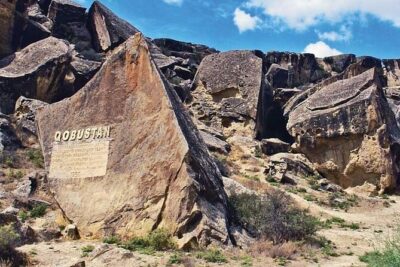
Gobustan, Volcanoes, Fire Temple and Yanardag Day Trip
Read our review →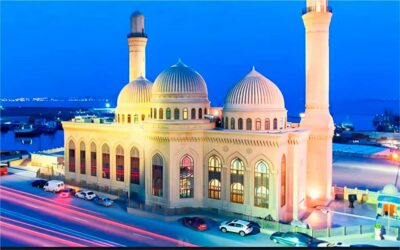
Gobustan-Mud Volcan-Fire Temple and Mountain Tour/Entrance inc
Read our review →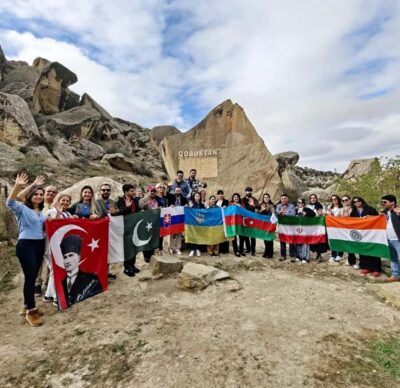
Gobustan Mud Volcanoes Temple & Entry tickets included
Read our review →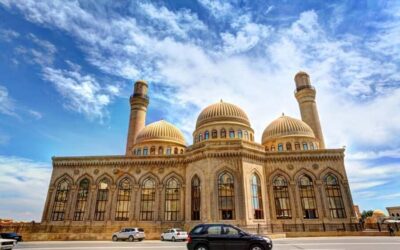
Gobustan-Absheron Tour with Hotel PICK UP and DROP OFF
Read our review →Browse the lists this tour appears in